 Pathology Training Institute in Bangladesh Best Pathology Training Institute in Bangladesh

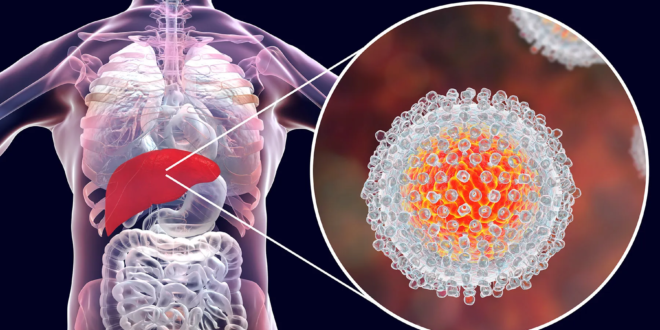
Hepatitis C Virus 01797522136
Introduction
Hepatitis C Virus (HCV) infection is one of the most significant global public health challenges affecting the liver. It is a blood-borne viral infection that can silently damage the liver for years before symptoms appear. Early diagnosis through accurate laboratory testing plays a vital role in preventing complications such as chronic hepatitis, liver cirrhosis, and hepatocellular carcinoma.

At HRTD Medical Institute, we emphasize high-quality diagnostic education and laboratory excellence. Understanding the Hepatitis C Virus (HCV) test is essential for medical students, laboratory technologists, healthcare professionals, and the general public. This detailed guide explains everything about HCV testing—from basic concepts to advanced diagnostic methods—ensuring clarity, accuracy, and practical knowledge.
What is Hepatitis C Virus (HCV)?
Hepatitis C Virus is an RNA virus that primarily attacks liver cells (hepatocytes). It belongs to the Flaviviridae family and spreads mainly through contact with infected blood.
Key Characteristics of HCV
- Blood-borne virus
- Often asymptomatic in early stages
- Can lead to chronic liver disease
- Curable with modern antiviral therapy if detected early
According to global health data, millions of people worldwide live with chronic HCV infection, many of whom are unaware of their condition. This makes routine Hepatitis C Virus testing critically important.
Importance of Hepatitis C Virus Testing
HCV infection often progresses silently. Many patients remain symptom-free for years while liver damage continues internally. Laboratory testing is the only reliable way to confirm infection.
Why HCV Testing is Essential
- Early detection prevents severe liver damage
- Helps initiate timely antiviral treatment
- Reduces transmission risk
- Essential for blood screening
- Required before surgeries or invasive procedures
- Critical for high-risk populations
At HRTD Medical Institute, students are trained to understand the clinical importance and laboratory significance of HCV diagnostic testing.
Modes of Transmission of Hepatitis C Virus
Understanding transmission helps in prevention and testing strategies.
Common routes include:
- Transfusion of unscreened blood
- Reuse of contaminated needles and syringes
- Unsafe medical or dental procedures
- Sharing razors or personal grooming tools
- Hemodialysis with inadequate infection control
- Mother-to-child transmission (rare)
- Occupational exposure in healthcare settings
Who Should Get Tested for HCV?
HCV testing is recommended for:
- Individuals with a history of blood transfusion before proper screening
- Injection drug users
- Healthcare workers
- Patients undergoing dialysis
- People with unexplained liver enzyme elevation
- Pregnant women (in some guidelines)
- Individuals with HIV infection
- People with tattoos or piercings done under unsafe conditions
Types of Hepatitis C Virus Tests
HCV diagnosis is performed through serological and molecular laboratory tests. Each test has a specific role.
1. Anti-HCV Antibody Test
Purpose
Detects antibodies produced against Hepatitis C Virus.
Sample
- Serum or plasma
Method
- ELISA
- CLIA
- Rapid immunochromatographic tests
Interpretation
- Positive: Exposure to HCV (past or present)
- Negative: No detectable antibodies
Limitations
- Cannot differentiate between past and current infection
- May be negative during the window period
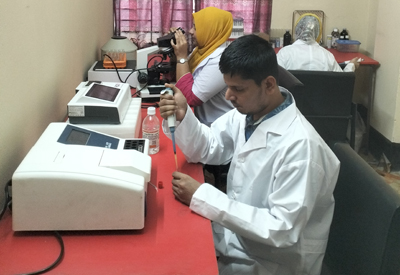
At HRTD Medical Institute, students learn ELISA techniques in well-equipped laboratory environments.
2. HCV RNA Test (PCR Test)
Purpose
Detects actual viral RNA in the blood.
Types
- Qualitative HCV RNA
- Quantitative HCV RNA (Viral Load)
Importance
- Confirms active infection
- Monitors treatment response
- Measures viral load
Method
- Real-Time PCR
This test is considered the gold standard for confirming active HCV infection.

3. HCV Genotyping Test
Purpose
Identifies the specific genotype of HCV.
Why It Matters
- Helps determine treatment duration
- Influences drug selection
- Predicts treatment response
There are multiple HCV genotypes, with varying geographic distribution.
Window Period in HCV Testing
The window period refers to the time between infection and detectability.
- Anti-HCV antibodies: 6–10 weeks
- HCV RNA: 1–2 weeks
This is why molecular testing is crucial for early diagnosis.
Sample Collection and Handling
Proper sample handling ensures accurate results.
Key Guidelines
- Use sterile equipment
- Avoid hemolysis
- Store serum at recommended temperature
- Follow biosafety protocols
At HRTD Medical Institute, laboratory safety and specimen handling are core components of pathology training.
Interpretation of HCV Test Results
| Test | Result | Interpretation |
|---|---|---|
| Anti-HCV | Negative | No exposure or early infection |
| Anti-HCV | Positive | Exposure to HCV |
| HCV RNA | Positive | Active infection |
| HCV RNA | Negative | No active virus |
Students at HRTD Medical Institute are trained to correlate lab results with clinical findings.
Role of HCV Testing in Treatment Monitoring
HCV RNA testing is used:
- Before treatment initiation
- During antiviral therapy
- After treatment completion
A sustained virologic response (SVR) indicates successful treatment.
Public Health Importance of HCV Testing
HCV testing contributes to:
- Disease surveillance
- Infection control
- Blood safety
- Prevention of outbreaks
- National elimination programs
Laboratory professionals trained at HRTD Medical Institute play a crucial role in public health diagnostics.
HCV Test in Blood Banks
All donated blood must be screened for:
- HCV
- HBV
- HIV
- Syphilis
- Malaria
Advanced screening methods significantly reduce transfusion-transmitted infections.
Laboratory Equipment Used in HCV Testing
- ELISA readers
- Automated immunoassay analyzers
- PCR machines
- Biosafety cabinets
- Centrifuges
HRTD Medical Institute ensures students receive hands-on exposure to modern laboratory instruments.
Career Scope in HCV Diagnostics
Training in HCV testing opens career opportunities in:
- Diagnostic laboratories
- Hospitals
- Blood banks
- Research institutions
- Public health laboratories
Graduates of HRTD Medical Institute are well-prepared for these professional roles.
Why Learn HCV Testing at HRTD Medical Institute?
Key Advantages
- Experienced instructors
- Practical laboratory training
- Updated curriculum
- Modern diagnostic equipment
- Strong academic reputation
- Focus on real-world diagnostic skills
Located in Mirpur, Dhaka, HRTD Medical Institute is committed to producing skilled medical laboratory professionals.
Preventive Measures Against Hepatitis C
- Safe injection practices
- Proper sterilization
- Blood screening
- Public awareness
- Infection control training
Education and testing together are the strongest tools against HCV.
Artificial Intelligence (AI) is revolutionizing Hepatitis C Virus (HCV) management by optimizing diagnosis, identifying lost patients, predicting treatment outcomes, and streamlining healthcare, using tools like machine learning to analyze electronic health records (EHRs) for risk factors and serological data. AI helps in early detection through automated screening in high-risk settings, predicts fibrosis and cancer risk, and can even forecast resistance to direct-acting antiviral (DAA) drugs, improving efficiency and reducing costs in eliminating HCV.
How AI is Used for HCV:
- Detection & Diagnosis: AI algorithms analyze patient data (age, risk factors, lab results) to flag individuals for screening, improving detection rates, especially in emergency departments.
- Patient Management: AI identifies patients lost to follow-up, bringing them back into care, and helps streamline the journey from diagnosis to treatment.
- Predicting Disease Progression: AI models predict liver fibrosis, cirrhosis, and the risk of liver cancer (hepatocellular carcinoma) using techniques like radiomics on imaging.
- Treatment Response: AI predicts treatment failure for DAAs, allowing clinicians to adjust strategies for better outcomes, notes this research.
- Drug Discovery & Research: AI helps understand viral mechanisms, like entry into host cells, to accelerate antiviral development, says this YouTube video.
Key Benefits:
- Efficiency: Reduces healthcare costs and process times.
- Accuracy: Improves diagnostic accuracy, as shown by a study using artificial neural networks.
- Early Intervention: Facilitates earlier treatment, crucial for curing HCV and preventing long-term liver damage.
In essence, AI acts as a powerful tool to make HCV screening and care more intelligent, targeted, and effective, moving closer to the goal of HCV elimination.
Conclusion
The Hepatitis C Virus (HCV) test is a cornerstone of modern diagnostic medicine. From screening and confirmation to treatment monitoring, accurate HCV testing saves lives and prevents long-term liver complications.
Through comprehensive education and hands-on training, HRTD Medical Institute plays a vital role in developing competent laboratory professionals who contribute to quality healthcare services. Understanding HCV testing is not just an academic requirement—it is a public health responsibility.
By promoting diagnostic excellence, awareness, and professional integrity, HRTD Medical Institute continues to shape the future of medical laboratory science in Bangladesh.