 Pathology Training Institute in Bangladesh Best Pathology Training Institute in Bangladesh

Diagnosis of Dengue Fever
Dengue fever is one of the most important mosquito-borne viral diseases affecting tropical and subtropical regions of the world. In countries such as Bangladesh, dengue has become a major public-health concern, particularly during periods of increased mosquito activity and seasonal outbreaks. Early recognition and appropriate laboratory diagnosis can play an important role in identifying dengue infection, monitoring patients, and helping healthcare professionals determine the appropriate course of care.
Diagnosis of Dengue Fever
For patients who develop a sudden high fever accompanied by headache, body aches, nausea, vomiting, rash, or other symptoms suggestive of dengue, timely medical evaluation is essential. Laboratory testing can help distinguish dengue from other infections that may produce similar symptoms. At HRTD Limited Diagnostic Center, patients seeking diagnostic evaluation for suspected dengue can discuss their symptoms with qualified healthcare professionals and undergo appropriate laboratory investigations as advised by their physician.
This article explains what dengue fever is, how it is diagnosed, which tests may be used at different stages of illness, how to prepare for testing, and why timely diagnosis matters.
Diagnosis of Dengue Fever
What Is Dengue Fever?
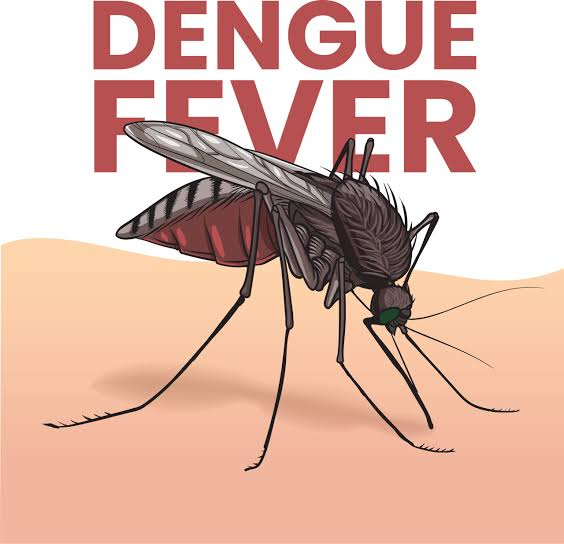
Dengue fever is a viral infection caused by the dengue virus and primarily transmitted to humans through the bite of infected Aedes mosquitoes. Four major dengue virus serotypes are commonly recognized: DENV-1, DENV-2, DENV-3, and DENV-4.
A person can become infected with dengue more than once because infection with one serotype does not provide complete protection against infection with the other serotypes. Although many dengue infections are mild and resolve with appropriate supportive care, some patients can develop severe dengue, which may involve bleeding, plasma leakage, shock, or organ involvement.
Because dengue symptoms can overlap with illnesses such as influenza, chikungunya, malaria, typhoid fever, COVID-19, and other viral infections, laboratory testing may be important when dengue is suspected.
Diagnosis of Dengue Fever
Why Is Dengue Diagnosis Important?
Diagnosing dengue is not simply about confirming the presence of a virus. A timely diagnosis can help healthcare professionals understand the patient’s illness and monitor the progression of the disease.
Early diagnosis may help:
- Confirm or support a suspected dengue infection.
- Distinguish dengue from other febrile illnesses.
- Identify patients who may require closer monitoring.
- Guide clinical management.
- Help healthcare providers assess the risk of complications.
- Reduce unnecessary use of medications that may increase bleeding risk.
- Provide information useful for public-health surveillance during outbreaks.
It is important to understand that a dengue test result should not be interpreted in isolation. The patient’s symptoms, physical examination, illness day, blood-count results, medical history, and other clinical findings may all be relevant.
Diagnosis of Dengue Fever
When Should You Suspect Dengue?
Dengue should be considered when a person develops an acute febrile illness, particularly in an area where dengue transmission is occurring.
Common symptoms may include:
- Sudden fever.
- Severe headache.
- Pain behind the eyes.
- Muscle and joint pain.
- Bone or body aches.
- Nausea.
- Vomiting.
- Skin rash.
- Weakness and fatigue.
- Reduced appetite.
Some patients may have mild symptoms, while others may become significantly ill.
The presence of fever alone does not establish dengue. Similarly, the absence of a classic dengue symptom does not necessarily rule it out. This is one reason laboratory testing and professional medical assessment are valuable.
Diagnosis of Dengue Fever
Understanding the Different Stages of Dengue
Understanding the timing of dengue illness is particularly important because the usefulness of different diagnostic tests can change as the illness progresses.
Dengue illness is commonly described in three phases:
1. Febrile Phase
The febrile phase generally occurs during the early part of the illness. Fever may be accompanied by headache, muscle pain, joint pain, nausea, vomiting, and other symptoms.
During this period, viral components may be detectable in the blood, making certain direct or antigen-based tests useful.
2. Critical Phase
Around the time the fever begins to decline, some patients can enter a critical phase. This is an important period because severe dengue complications may develop even when the fever is improving.
Warning signs may include:
- Severe abdominal pain.
- Persistent vomiting.
- Bleeding from the gums or nose.
- Vomiting blood.
- Blood in the stool.
- Marked weakness or restlessness.
- Difficulty breathing.
- Significant fluid accumulation.
- Drowsiness or altered mental status.
A falling fever should therefore not automatically be interpreted as complete recovery.
3. Recovery Phase
Patients who pass safely through the critical period may enter a recovery phase. Appetite and general condition often improve, and the body gradually restores fluid balance.
Laboratory blood counts may also change during the course of recovery.
Because the pattern of dengue infection changes over time, the timing of a laboratory test matters.
Diagnosis of Dengue Fever
How Is Dengue Fever Diagnosed?
Dengue diagnosis can involve several approaches. Depending on the duration of symptoms and the clinical situation, healthcare professionals may recommend one or more of the following:
- NS1 antigen testing.
- Dengue IgM antibody testing.
- Dengue IgG antibody testing.
- Molecular testing such as RT-PCR in appropriate settings.
- Complete blood count (CBC).
- Additional laboratory investigations when clinically indicated.
No single test is necessarily appropriate for every patient at every stage of illness.
Diagnosis of Dengue Fever
Dengue NS1 Antigen Test
The NS1 antigen test detects a dengue viral protein known as non-structural protein 1 (NS1).
NS1 can often be detected during the early stage of dengue infection, particularly during the first several days of illness. Because the test is aimed at detecting a viral antigen rather than the body’s antibody response, it can be particularly useful early in the course of suspected dengue.
Diagnosis of Dengue Fever
Why Is the NS1 Test Important?
A person who has had fever for only a few days may not yet have developed detectable levels of dengue antibodies. In such circumstances, an antigen-based test may provide useful diagnostic information.
However, a negative NS1 result does not necessarily exclude dengue. Test performance can depend on factors such as:
- The day of illness.
- The type of test used.
- The characteristics of the assay.
- The patient’s immune response.
- The dengue serotype.
- Whether the specimen was collected at an appropriate time.
For this reason, healthcare professionals may recommend additional testing when clinical suspicion remains high.
Diagnosis of Dengue Fever
Dengue IgM Antibody Test
IgM refers to immunoglobulin M, an antibody produced by the immune system in response to infection.
Dengue-specific IgM generally becomes detectable later than NS1 antigen during the course of illness. Therefore, IgM testing may be more useful after the early phase of infection.
A positive IgM result can support recent dengue infection, but interpretation depends on the timing of testing and the patient’s clinical circumstances.
It is also important to remember that antibody tests can sometimes produce cross-reactive results with other infections or conditions. A healthcare professional should therefore interpret the result rather than relying on the report alone.
Diagnosis of Dengue Fever
Dengue IgG Antibody Test
IgG refers to immunoglobulin G. Dengue IgG antibodies may persist for a long time after infection.
IgG testing can be useful in particular diagnostic situations, including evaluation of previous exposure or assessment of paired samples in certain clinical circumstances.
However, a single positive IgG result does not necessarily mean that a person currently has acute dengue fever. IgG can remain detectable after a previous dengue infection.
This distinction is extremely important.
A patient should not assume that a positive dengue IgG result automatically means they currently have dengue.
Diagnosis of Dengue Fever
Dengue RT-PCR
Reverse transcription polymerase chain reaction, commonly called RT-PCR, is a molecular method that detects dengue viral genetic material.
Molecular testing can be particularly useful during the early phase of infection, when viral RNA may be present in the blood.
RT-PCR is highly specific when appropriately performed, but availability, laboratory requirements, cost, timing, and clinical indication can vary.
Patients should follow their healthcare provider’s recommendation regarding whether molecular testing is appropriate.
Diagnosis of Dengue Fever
The Importance of the Day of Illness
One of the most important considerations in dengue testing is the number of days since fever or symptoms began.
For example, a patient who developed fever yesterday is in a different diagnostic situation from a patient who has had fever for one week.
During the early period, tests that detect viral components may be more informative. As the immune response develops, antibody testing becomes increasingly relevant.
This means that patients should tell the healthcare provider or laboratory staff:
- The exact day the fever began, if known.
- Whether the fever has been continuous or intermittent.
- Whether the patient has taken any medications.
- Whether dengue testing was performed previously.
- Whether the patient has had dengue in the past.
Accurate information about symptom timing can help healthcare professionals select and interpret tests appropriately.
Diagnosis of Dengue Fever
Complete Blood Count in Dengue
A complete blood count, or CBC, is commonly used when dengue is suspected.
A CBC can provide information about:
- White blood cell count.
- Hemoglobin.
- Hematocrit.
- Platelet count.
- Other blood-cell parameters.
Changes in these values may provide useful information to healthcare professionals, particularly when the test is repeated during illness.
Diagnosis of Dengue Fever
Platelet Count and Dengue
Platelets receive considerable attention during dengue infections. Dengue can cause thrombocytopenia, meaning a reduction in platelet count.
However, platelet count alone should not be used to determine whether a patient has dengue or whether the disease is severe.
A patient can have dengue without an extremely low platelet count, and a low platelet count can occur in conditions other than dengue.
Doctors may therefore evaluate platelet count together with:
- Clinical symptoms.
- Bleeding manifestations.
- Hematocrit.
- Blood pressure and circulation.
- Hydration status.
- Warning signs.
- Liver and other organ function when relevant.
Repeated CBC testing may be recommended in some patients because blood counts can change as the illness progresses.
Diagnosis of Dengue Fever
What Does Hematocrit Tell Us?
Hematocrit represents the proportion of blood occupied by red blood cells.
In dengue, changes in hematocrit can sometimes provide important information about plasma leakage and fluid status, particularly when interpreted alongside the patient’s clinical condition and platelet count.
A rising hematocrit in an appropriate clinical context can be concerning for plasma leakage.
Again, this is not a result that should be interpreted independently. Doctors look at trends and the overall clinical picture.
Diagnosis of Dengue Fever
How Dengue Testing Is Performed
Most dengue diagnostic tests require a blood sample.
The process is generally straightforward:
- The patient provides relevant medical and symptom information.
- A healthcare professional determines which tests are appropriate.
- A blood sample is collected using standard laboratory procedures.
- The specimen is processed according to the selected test.
- The laboratory report is issued.
- The treating healthcare professional interprets the result in combination with the patient’s symptoms and other findings.
Patients should follow the instructions provided by the diagnostic center regarding sample collection and any preparation requirements.
For many dengue blood tests, fasting is not necessarily required, but patients should confirm preparation requirements with the healthcare provider or laboratory before testing.
Diagnosis of Dengue Fever
What Happens at HRTD Limited Diagnostic Center?
Patients visiting HRTD Limited Diagnostic Center for suspected dengue should inform the relevant healthcare or laboratory staff about their symptoms and the duration of fever.
A typical diagnostic evaluation may involve clinical assessment followed by laboratory testing appropriate to the patient’s situation.
Depending on the illness stage and medical advice, investigations may include dengue-specific testing and a CBC.
The exact tests required can vary from patient to patient. Testing should therefore be based on clinical advice rather than simply requesting every available dengue test.
Diagnosis of Dengue Fever
Why Choose a Professional Diagnostic Center?
Laboratory diagnosis requires more than simply producing a numerical result. Proper specimen collection, laboratory procedures, quality control, reporting, and appropriate interpretation are all important components of diagnostic testing.
A professional diagnostic center can provide patients with access to laboratory investigations that support clinical decision-making.
At HRTD Limited Diagnostic Center, patients seeking dengue-related investigations should communicate their symptoms clearly and provide accurate information about the onset of fever and any previous dengue testing.
Diagnosis of Dengue Fever
How to Prepare for a Dengue Test
Most dengue blood tests do not require extensive preparation. However, patients should:
- Tell the healthcare provider when the fever started.
- Mention previous dengue infection if known.
- Inform the provider about previous dengue test results.
- Report current medications.
- Mention any unusual bleeding.
- Follow any specific laboratory instructions.
- Drink adequate fluids unless a healthcare professional has advised otherwise.
- Bring previous relevant medical reports when available.
Children, elderly patients, pregnant individuals, and people with chronic medical conditions may require additional clinical attention.
Diagnosis of Dengue Fever
How to Interpret a Dengue Test Result
A dengue laboratory report may show results such as:
- NS1: Positive or negative.
- IgM: Positive or negative.
- IgG: Positive or negative.
- RT-PCR: Detected or not detected.
- Platelet count.
- White blood cell count.
- Hematocrit and other CBC parameters.
These results should not be interpreted without considering the patient’s illness day.
For example, a negative antibody test very early in illness may not have the same meaning as a negative antibody test later in the course of illness.
Similarly, a positive IgG result may indicate previous exposure rather than a current acute infection.
Diagnosis of Dengue Fever
What Does a Positive NS1 Result Mean?
A positive NS1 antigen result can support the diagnosis of acute dengue infection, particularly when the patient’s symptoms and illness timing are compatible.
The result should still be reviewed by a healthcare professional.
Diagnosis of Dengue Fever
What Does a Negative NS1 Result Mean?
A negative NS1 result does not always rule out dengue.
If testing occurs at a stage when NS1 is less likely to be detectable, additional testing may be required.
If clinical suspicion remains strong, the treating doctor may recommend antibody testing, molecular testing, repeat testing, or continued clinical monitoring.
Diagnosis of Dengue Fever
What Does Positive IgM Mean?
A positive dengue IgM result may indicate a recent dengue infection.
However, interpretation depends on the timing of sample collection and possible cross-reactivity with antibodies associated with other infections.
Diagnosis of Dengue Fever
What Does Positive IgG Mean?
A positive dengue IgG result may indicate previous exposure to dengue.
A single positive IgG result should not automatically be interpreted as proof of current acute dengue infection.
Diagnosis of Dengue Fever
Can Dengue Be Diagnosed Without a Blood Test?
Healthcare professionals may sometimes make a clinical diagnosis based on symptoms, examination, epidemiological information, and laboratory findings.
However, because dengue shares symptoms with many other illnesses, laboratory testing can be particularly useful.
A person with fever should not self-diagnose dengue based only on body pain, headache, or platelet count.
The correct diagnosis requires medical evaluation.
Diagnosis of Dengue Fever
Dengue and Other Fever-Causing Diseases
Dengue is only one possible cause of acute fever.
Other conditions can produce similar symptoms, including:
- Chikungunya.
- Malaria.
- Typhoid fever.
- Influenza.
- COVID-19.
- Other viral infections.
- Certain bacterial infections.
This is why a healthcare professional may recommend tests beyond dengue-specific investigations.
A diagnostic strategy should focus on identifying the likely cause of illness rather than assuming that every fever is dengue.
Diagnosis of Dengue Fever
Dengue Warning Signs
One of the most important aspects of dengue management is recognizing warning signs.
A patient with suspected or confirmed dengue should receive urgent medical attention if warning signs develop.
These can include:
- Severe abdominal pain or tenderness.
- Persistent vomiting.
- Bleeding from the nose or gums.
- Vomiting blood.
- Blood in the stool or black stool.
- Extreme weakness.
- Restlessness or unusual drowsiness.
- Difficulty breathing.
- Pale, cold, or clammy skin.
- Signs of shock.
- Significant reduction in urine output.
- Altered consciousness.
These symptoms may indicate severe illness and should not be managed by waiting for another laboratory report.
Diagnosis of Dengue Fever
When Should You Go to a Hospital?
Patients with warning signs, severe dehydration, significant bleeding, breathing difficulty, shock, altered consciousness, or other concerning symptoms require urgent medical evaluation.
High-risk patients may also require closer observation. These may include:
- Infants and young children.
- Older adults.
- Pregnant individuals.
- People with significant chronic diseases.
- People taking certain medications that affect bleeding risk.
- Individuals who cannot maintain adequate oral fluid intake.
A diagnostic center can provide important laboratory information, but laboratory testing should never delay emergency medical care.
Diagnosis of Dengue Fever
Dengue Treatment and the Role of Diagnosis
There is no routine specific antiviral treatment that eliminates dengue infection. Management is generally supportive and focuses on maintaining appropriate hydration, monitoring the patient’s condition, controlling symptoms safely, and identifying complications early.
Diagnosis helps healthcare professionals understand whether dengue is likely and whether monitoring is needed.
Patients should not begin medications solely based on a dengue test report without medical advice.
In particular, people with suspected dengue should seek professional advice before taking medications that may increase the risk of bleeding.
Diagnosis of Dengue Fever
Why Self-Medication Can Be Risky
Many common fever medications are available without prescription, but not all are appropriate when dengue is suspected.
Some medicines can increase bleeding risk. Patients should therefore consult a healthcare professional regarding fever and pain management.
Never assume that a medication is safe simply because it is commonly used for fever.
Diagnosis of Dengue Fever
Dengue in Children
Children may develop dengue with symptoms similar to those seen in adults, but assessing a sick child can be more difficult.
Parents and caregivers should monitor:
- Fluid intake.
- Urination.
- Alertness and behavior.
- Vomiting.
- Fever pattern.
- Bleeding.
- Abdominal pain.
- Breathing.
- General activity level.
If a child becomes unusually sleepy, difficult to wake, unable to drink, repeatedly vomits, develops bleeding, or shows other warning signs, urgent medical evaluation is necessary.
Laboratory testing should be interpreted by a pediatrician or other qualified healthcare professional.
Diagnosis of Dengue Fever
Dengue During Pregnancy
Dengue during pregnancy deserves particular attention because both the mother and fetus may require monitoring.
A pregnant person with suspected dengue should contact their healthcare provider promptly.
Testing and management should be determined by medical professionals, taking pregnancy status and the severity of illness into consideration.
Diagnosis of Dengue Fever
Dengue in Older Adults
Older adults may have a higher risk of complications, particularly if they have chronic health conditions.
A person with suspected dengue who is elderly or has conditions such as cardiovascular disease, kidney disease, diabetes, or other significant medical problems may need individualized monitoring.
Diagnosis of Dengue Fever
Can You Have Dengue Without a Low Platelet Count?
Yes.
A normal platelet count does not automatically exclude dengue, especially early in the illness.
Likewise, a low platelet count does not automatically prove that a person has dengue.
Platelet results must be interpreted alongside symptoms, illness duration, other blood results, and clinical findings.
Diagnosis of Dengue Fever
Can You Have Dengue With a Negative Dengue Test?
Yes, depending on the test and the stage of illness.
A negative result may occur because:
- The test was performed too early or too late for optimal detection.
- The chosen test was not the most suitable for that stage.
- The infection is not dengue.
- Test sensitivity varies.
- The sample or testing circumstances affected detection.
If symptoms remain strongly suggestive of dengue, a doctor may recommend repeat or alternative testing.
Diagnosis of Dengue Fever
Why Repeat Blood Tests May Be Necessary
Dengue is a dynamic illness. Blood parameters can change substantially over several days.
For some patients, doctors may therefore recommend repeat CBC testing.
The purpose is not simply to watch the platelet number. Healthcare professionals may monitor trends in:
- Platelets.
- Hematocrit.
- White blood cells.
- Other relevant laboratory parameters.
Repeated testing can help the treating team identify changes that may require closer observation or a change in management.
Diagnosis of Dengue Fever
The Importance of Following Medical Advice
A laboratory report is only one part of the diagnostic process.
Patients should follow their healthcare professional’s recommendations regarding:
- Repeat blood tests.
- Fluid intake.
- Rest.
- Medication.
- Follow-up visits.
- Hospital admission when necessary.
If symptoms worsen, patients should seek medical care even if a previous dengue test was negative.
Diagnosis of Dengue Fever
Dengue Prevention
Diagnosis is important, but preventing dengue transmission is equally important.
Dengue is transmitted primarily through infected Aedes mosquitoes. Prevention therefore involves reducing mosquito exposure and eliminating mosquito breeding sites.
Important preventive measures include:
- Removing standing water around homes.
- Keeping water containers covered.
- Cleaning drains and other areas where water may accumulate.
- Using mosquito screens.
- Wearing clothing that reduces exposed skin.
- Using appropriate mosquito repellents.
- Taking additional precautions during outbreaks.
Community participation is essential because mosquitoes can breed in relatively small amounts of standing water.
Diagnosis of Dengue Fever
The Role of Diagnostic Centers During Dengue Outbreaks
During dengue outbreaks, diagnostic centers can experience a significant increase in demand for laboratory testing.
Accurate and timely laboratory services can support doctors and patients by providing information needed for clinical decision-making.
However, diagnostic centers are only one part of a broader healthcare system. Effective dengue control also requires:
- Public awareness.
- Mosquito-control programs.
- Early healthcare seeking.
- Appropriate clinical management.
- Hospital preparedness.
- Accurate surveillance.
- Responsible use of laboratory testing.
Diagnosis of Dengue Fever
Common Questions About Dengue Diagnosis
How soon after fever should I get tested for dengue?
Testing can be useful during the early stages of illness, but the best test depends on how many days have passed since symptoms began. Consult a healthcare professional about which test is appropriate for your illness day.
Diagnosis of Dengue Fever
Is NS1 better than IgM?
Neither test is universally “better.” Their usefulness varies according to the stage of infection. NS1 is generally useful during the early phase, while IgM becomes more useful later.
Does a positive IgG mean I currently have dengue?
Not necessarily. IgG may remain detectable after a previous dengue infection. A healthcare professional should interpret the result in context.
Diagnosis of Dengue Fever
Does low platelet count confirm dengue?
No. Low platelets can occur in dengue but also in other medical conditions. Dengue diagnosis requires consideration of symptoms, illness timing, specific dengue tests, and other clinical findings.
Can a negative dengue test rule out dengue?
Not always. The meaning of a negative result depends on the test performed and the stage of illness.
Do I need to fast before a dengue blood test?
Many dengue blood tests do not require fasting, but requirements can vary depending on the investigations being performed. Confirm with the diagnostic center before your appointment.
Diagnosis of Dengue Fever
Should I repeat the CBC?
Your doctor may recommend repeat CBC testing depending on your symptoms, illness day, platelet count, hematocrit, and overall condition.
Is dengue contagious from person to person?
Dengue is not ordinarily spread directly from one person to another through casual contact. It is primarily transmitted through infected mosquitoes. Rare transmission routes can occur, including certain maternal and blood-related routes, but mosquito transmission is the principal route.
What should I do if my dengue test is positive?
Contact your healthcare provider and follow their instructions. Maintain appropriate hydration as advised, monitor for warning signs, and attend follow-up appointments or repeat laboratory testing when recommended.
What should I do if my dengue test is negative but I still have fever?
Do not assume that dengue has been completely ruled out. Contact your healthcare provider, especially if symptoms persist or worsen. Additional testing or repeat testing may be appropriate.
Diagnosis of Dengue Fever
Why Timely Dengue Diagnosis Matters
Dengue can change rapidly, and the period around defervescence—the time when fever begins to settle—can be particularly important.
For this reason, patients should not focus exclusively on whether the fever is going down. They should also monitor their overall condition and follow medical advice.
Early assessment allows healthcare professionals to determine whether the patient can be managed with routine follow-up or requires closer monitoring.
Laboratory diagnosis can support this process by providing information about dengue infection and changes in blood parameters.
Diagnosis of Dengue Fever
HRTD Limited Diagnostic Center and Dengue Testing
When dengue is suspected, patients need reliable access to appropriate diagnostic evaluation.
HRTD Limited Diagnostic Center can serve as a point for patients seeking laboratory investigations related to suspected dengue, subject to the tests and services currently offered by the center.
Patients should communicate their symptoms clearly and provide information about the duration of fever. This information can help healthcare professionals determine which investigations may be appropriate.
Depending on the patient’s condition, dengue-specific tests and blood-count investigations may be requested.
Patients should also remember that a diagnostic center’s laboratory report should be reviewed alongside clinical assessment. If a patient has warning signs or appears seriously ill, urgent medical care should take priority over routine laboratory testing.
Diagnosis of Dengue Fever
A Practical Guide for Patients With Suspected Dengue
If you or a family member develops sudden fever in an area where dengue is circulating, consider the following steps:
Step 1: Seek medical advice
Do not rely solely on internet information or self-diagnosis.
Step 2: Record when the fever began
The exact illness day can help determine which laboratory tests are most appropriate.
Step 3: Ask about dengue testing
Your healthcare professional can recommend the appropriate test based on your symptoms and illness stage.
Step 4: Consider a CBC when advised
A CBC can provide useful information about platelet count, hematocrit, white blood cells, and other parameters.
Step 5: Monitor symptoms
Pay attention to abdominal pain, vomiting, bleeding, weakness, breathing difficulty, reduced urination, and changes in alertness.
Step 6: Follow up
If your doctor recommends repeat testing, do not skip it simply because the fever has improved.
Step 7: Seek urgent care for warning signs
Do not wait for a laboratory result if serious symptoms develop.
Diagnosis of Dengue Fever
Final Thoughts
Dengue fever remains an important health concern in Bangladesh and other dengue-endemic regions. Because its symptoms can resemble those of several other infections, accurate diagnosis requires more than simply identifying a fever.
The timing of testing is particularly important. NS1 antigen testing and molecular methods can be useful during the early stage of infection, while antibody testing becomes increasingly useful as the immune response develops. CBC testing can provide additional information about changes in blood cells and may be repeated during the course of illness when clinically indicated.
At HRTD Limited Diagnostic Center, individuals with suspected dengue can seek appropriate laboratory evaluation based on their symptoms and medical advice. However, laboratory testing should always be considered as part of a broader clinical assessment.
Most importantly, patients should recognize dengue warning signs and seek urgent medical attention when necessary. A falling fever does not always mean that the danger has passed, and patients should continue monitoring their condition during the period when complications can occur.
If you develop a sudden fever or symptoms suggestive of dengue, consult a qualified healthcare professional promptly. Appropriate testing at the right stage of illness, combined with careful clinical monitoring, can help support timely diagnosis and appropriate care.
Diagnosis of Dengue Fever
Frequently Asked Questions
1. Which test is commonly used for early dengue diagnosis?
NS1 antigen testing and molecular tests such as RT-PCR may be useful during the early phase of dengue infection. The appropriate test depends on the illness stage and clinical circumstances.
2. When does dengue IgM become useful?
Dengue IgM generally becomes detectable after the early stage of infection and becomes increasingly useful as the illness progresses.
3. Can dengue occur without thrombocytopenia?
Yes. A normal platelet count, particularly early in illness, does not necessarily exclude dengue.
4. Can a patient have dengue with a negative NS1 test?
Yes. A negative NS1 result does not always exclude dengue. Test timing and other factors can affect the result.
5. Why is repeat CBC testing sometimes recommended?
Blood counts can change during dengue illness. Repeat testing can help doctors monitor trends and identify changes requiring closer attention.
6. Is a positive dengue IgG enough to diagnose current dengue?
No. IgG may remain positive following previous infection. The result must be interpreted with other findings.
7. Can I treat dengue at home?
Some patients with uncomplicated dengue can be managed at home under medical guidance, but patients with warning signs or severe disease may require hospital care.
8. When should I seek emergency medical attention?
Seek urgent medical attention for severe abdominal pain, persistent vomiting, bleeding, breathing difficulty, marked weakness, altered consciousness, signs of shock, or other serious symptoms.
9. Does every dengue patient need hospitalization?
No. Hospitalization depends on the patient’s clinical condition, risk factors, warning signs, ability to maintain hydration, and other medical considerations.
10. Where can I get dengue-related diagnostic testing?
Patients can contact HRTD Limited Diagnostic Center to determine which dengue-related laboratory investigations are currently available and whether medical referral or other preparation is required.
Medical Disclaimer: This article is intended for general educational purposes and should not replace consultation with a qualified physician or other healthcare professional. Dengue diagnosis and treatment should be individualized according to symptoms, examination findings, illness duration, laboratory results, and other clinical factors. If severe symptoms or dengue warning signs occur, seek urgent medical care.
If you want, I can also turn this into a fully SEO-optimized version for HRTD Limited Diagnostic Center, including a meta title, meta description, focus keyword, secondary keywords, URL slug, FAQ schema content, and a stronger local Bangladesh-focused introduction.
We have also a training institute called HRTD Medical Institute