 Pathology Training Institute in Bangladesh Best Pathology Training Institute in Bangladesh

Diagnosis of Dengue in HRTD Limited Diagnostic Center
Diagnosis of Dengue 01797522136. Dengue fever is a mosquito-borne viral infection that can range from a mild febrile illness to severe dengue requiring urgent medical care. Because dengue can initially resemble other infections, accurate dengue diagnosis and timely laboratory testing are important for appropriate clinical management.
At HRTD Limited Diagnostic Center, laboratory testing can help healthcare professionals determine whether a patient may have an active or recent dengue infection. The most appropriate test depends largely on how many days have passed since symptoms began.
Diagnosis of Dengue
What Is Dengue?
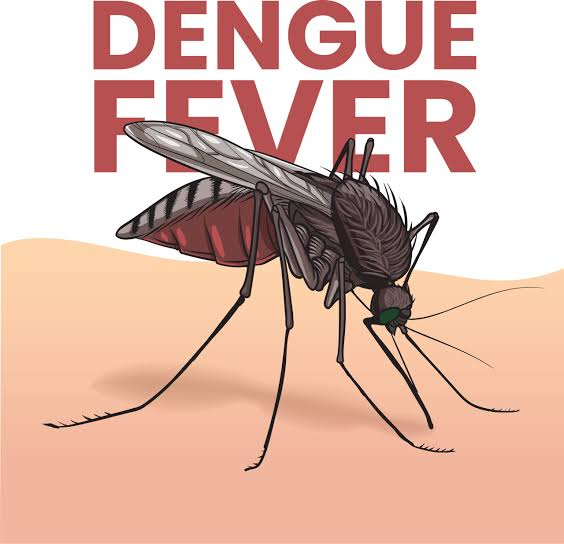
Dengue is a viral infection transmitted primarily through the bite of infected Aedes mosquitoes. Common symptoms include:
- Sudden fever
- Severe headache
- Pain behind the eyes
- Muscle and joint pain
- Nausea or vomiting
- Skin rash
- Weakness and fatigue
However, symptoms alone cannot reliably distinguish dengue from other infections. WHO notes that dengue may clinically overlap with illnesses such as malaria, chikungunya and Zika, making laboratory confirmation particularly important. W
Diagnosis of Dengue
Why Is Dengue Testing Important?
A person may have dengue even when the initial symptoms appear mild. Laboratory testing can help confirm dengue infection and support appropriate medical monitoring.
The choice of diagnostic test depends on the stage of infection. During the early phase, tests that detect the virus or viral components are particularly useful. Later in the illness, antibody testing becomes increasingly important. WHO’s 2025 laboratory guidance emphasizes selecting diagnostic methods according to the stage of infection, specimen type and local epidemiological
How Is Dengue Diagnosed?
Several laboratory methods may be used to diagnose dengue.
Diagnosis of Dengue
1. Dengue NS1 Antigen Test
The NS1 antigen test detects non-structural protein 1 (NS1), a protein produced by the dengue virus.
NS1 testing is particularly useful during the early phase of illness. CDC recommends NS1 antigen testing for identifying dengue during the first 7 days of illness. A positive NS1 result indicates dengue infection, although it does not determine the dengue
A negative NS1 result does not necessarily exclude dengue, particularly when testing is performed at a time when the antigen may no longer be readily detectable. Further testing may therefore be considered based on symptoms and timing.
Purpose and Timing
- Early Detection: Identifies the active virus within the first 1 to 7 days (up to 9 days) after fever or symptoms begin.
- No Fasting Needed: Requires a standard blood draw with no prior food or drink restrictions.
- Before Antibodies Form: Works quickly before the body builds up IgM or IgG antibodies.
Understanding Results
- Positive Result: Confirms an active, current dengue virus infection.
- Negative Result: Does not completely rule out the illness, especially if symptoms started more than a week ago or began less than 24 hours prior. Doctors may order an IgM antibody test or a complete blood count (CBC) to check platelet levels
Diagnosis of Dengue
2. Dengue RT-PCR Test
RT-PCR (reverse transcription polymerase chain reaction) is a molecular test that detects dengue virus RNA in a patient’s specimen.
RT-PCR/NAAT is especially useful during the first several days of illness. CDC states that dengue viral RNA can usually be detected by NAAT during the first 7 days, and a positive NAAT result confirms current dengue infection.
RT-PCR can be particularly valuable when early confirmation is clinically important.
How It Works
- Target Window: Best used within the first 7 days of symptom onset (ideally days 1 to 5) when the virus level in the blood (viremia) is highest.
- Serotyping: It can identify and distinguish between all four distinct dengue virus serotypes (DENV-1, DENV-2, DENV-3, and DENV-4).
- Confirmation: A positive result from the CDC Molecular Tests for Dengue confirms a current infection.
Results and Limitations
- Positive Result: Confirms active dengue virus infection.
- Negative Result: Does not completely rule out dengue, especially if the test is done after the first week when virus levels drop.
- Follow-up Testing: If symptoms have lasted for 7 or more days, healthcare providers often recommend an IgM antibody blood test instead
3. Dengue IgM Antibody Test
The body’s immune system produces antibodies in response to dengue infection. Dengue IgM antibodies generally become detectable around 4–5 days after symptom onset and may remain detectable for weeks to months.
IgM testing is therefore useful when a patient presents later in the course of illness. CDC recommends interpreting IgM together with NAAT or NS1 testing during the first 7 days when appropriate.
A positive IgM result generally indicates a recent dengue infection, but interpretation can be complicated by cross-reactivity with
Test Purpose and Timing
- When to test: Recommended after the first 4 to 5 days of fever, when IgM antibodies begin to show up in the blood.
- Duration: These antibodies can stay in the blood for about 2 to 3 months after you get better.
- Combinations: Doctors often order it alongside the Dengue NS1 antigen and IgG tests to understand the exact stage of the infection.
Understanding Results
- Positive IgM: Suggests a recent or current infection with the dengue virus, meaning your body made immediate defense antibodies.
- Negative IgM: Means no significant level of IgM antibodies was found. If tested too early (under 4 days), a negative result might not be final and may need to be repeated.
- False positives: Other related viruses like Zika or recent vaccinations can sometimes cause a false positive result through cross-reactivity.
A dengue IgG test detects antibodies that show if you have had a dengue infection in the past or a current secondary infection.
What the Test Results Mean
- Positive IgG (with negative IgM): This usually means you had a dengue infection in the past (months or years ago).
- Positive IgG and Positive IgM: This suggests a recent or current dengue infection.
- High IgG rise in paired samples: A sharp increase in antibody levels between two tests taken weeks apart can indicate a secondary (repeat) dengue infection.
When to Take the Test
- After 7 days: IgG antibodies typically do not appear in measurable levels until at least 7 days after symptoms start.
- Early illness: If you have had a fever for fewer than 7 days, doctors often recommend a CDC Dengue Testing Guidance approach using an NS1 antigen test or an IgM test instead.
Diagnosis of Dengue
4. Complete Blood Count (CBC)
A CBC test does not by itself confirm dengue infection, but it is commonly used by clinicians to monitor patients with suspected or confirmed dengue.
The doctor may pay particular attention to:
- Platelet count
- White blood cell count
- Hematocrit
Changes in these blood parameters can provide useful information for clinical monitoring, especially when symptoms are changing.
Importantly, a platelet count alone should not be considered a definitive dengue diagnostic test. Dengue diagnosis requires appropriate clinical assessment and, where indicated, specific laboratory testing.
A complete blood count (CBC) is a routine blood test used to evaluate overall health and detect conditions like anemia, infections, and leukemia. You can learn more detailed background from
What a CBC Measures
- Red Blood Cells (RBCs): Carry oxygen from your lungs to the rest of the body.
- Hemoglobin (Hb): The protein inside red blood cells that carries oxygen.
- Hematocrit (HCT): The percentage of your blood volume made up of red blood cells.
- White Blood Cells (WBCs): Fight off infections and illness.
- Platelets (PLT): Help your blood to clot to stop bleeding.
Why It Is Done
- Routine checkups: To monitor general physical health.
- Find causes of symptoms: To investigate unexplained fatigue, fever, weakness, or bruising.
- Monitor treatments: To check how medications or therapies like chemotherapy affect the body.
Diagnosis of Dengue
Which Dengue Test Should You Take?
The appropriate test depends on the day of illness.
| Stage of illness | Commonly useful tests |
|---|---|
| Early illness, particularly days 1–7 | NS1 antigen and/or RT-PCR/NAAT |
| Around day 4 onward | Dengue IgM may become detectable |
| After the first week | IgM antibody testing becomes increasingly useful |
| Persistent clinical suspicion despite a negative early test | Additional or follow-up testing may be required |
This is a general guide, not a substitute for medical advice. WHO emphasizes that there is no single universal diagnostic algorithm for every setting; test selection should consider the stage of infection and other clinical and epidemiological factors. W
Diagnosis of Dengue
NS1 vs RT-PCR vs IgM: What’s the Difference?
NS1 antigen testing detects a dengue viral protein and can be useful during the early phase of illness.
RT-PCR detects dengue viral RNA and can provide laboratory confirmation of current infection, particularly early in the illness.
IgM testing detects the patient’s immune response and becomes more useful several days after symptoms begin.
In some situations, healthcare professionals may recommend more than one test to improve diagnostic confidence. CDC notes that combining tests can identify infections that might be missed by using only one method.
When Should You Get Tested for Dengue?
If you develop a sudden fever accompanied by symptoms such as severe headache, body aches, pain behind the eyes, nausea, vomiting or rash—particularly during a period of dengue transmission—consult a healthcare professional.
Do not wait for severe symptoms before seeking medical advice.
The timing of the dengue test matters because different tests perform differently at different stages of infection. If an early test is negative but clinical suspicion remains high, a doctor may recommend repeat or additional testing.
Diagnosis of Dengue
Can a Dengue Test Be Negative Even If You Have Dengue?
Yes.
A negative result does not always completely rule out dengue. For example, a negative NAAT or NS1 test may occur depending on the stage of infection, and early negative IgM results may also occur because antibodies may not yet be detectable. C
For this reason, test results should be interpreted together with:
- Day of illness
- Symptoms
- Physical examination
- Exposure and local dengue activity
- Other laboratory findings
- Follow-up test results when necessary
Diagnosis of Dengue
When Is Dengue an Emergency?
Dengue can sometimes progress to severe disease. Seek urgent medical attention if a person with suspected or confirmed dengue develops warning signs such as:
- Severe abdominal pain
- Persistent vomiting
- Bleeding
- Difficulty breathing
- Extreme weakness or restlessness
- Drowsiness or altered mental status
- Cold or clammy skin
- A sudden deterioration after the fever begins to improve
Do not rely solely on a laboratory report to determine whether someone is seriously ill. Clinical assessment is essential.
Diagnosis of Dengue
Dengue Diagnosis at HRTD Limited Diagnostic Center
At HRTD Limited Diagnostic Center, dengue-related laboratory testing can support physicians and patients in the diagnosis and monitoring of suspected dengue infection.
If you have fever or symptoms suggestive of dengue, speak with a qualified healthcare professional about which test is appropriate and when it should be performed.
Early and appropriate testing can help provide useful information for clinical decision-making, while timely medical assessment is important for recognizing patients who may require closer monitoring.
Diagnosis of Dengue
Frequently Asked Questions About Diagnosis of Dengue
What is the best test for dengue?
There is no single test that is best for every patient. The appropriate test depends on the stage of illness. NS1 antigen and RT-PCR/NAAT are particularly useful during the early phase, while IgM antibody testing becomes increasingly useful as the illness
Is NS1 positive enough to confirm dengue?
A positive NS1 antigen test is indicative of dengue infection. However, test interpretation should be considered alongside the patient’s symptoms and clinical circumstances.
When does dengue IgM become positive?
Dengue IgM antibodies typically become detectable approximately 4–5 days after symptom onset.
Can I take a dengue test on the first day of fever?
Testing can be performed early in illness, but the choice of test matters. NS1 antigen and molecular tests such as RT-PCR are designed to detect infection during the early phase. A negative early result may not completely exclude dengue, so follow-up testing may sometimes be necessary.
Diagnosis of Dengue
Does a low platelet count confirm dengue?
No. A low platelet count can occur with dengue but is not specific enough to confirm dengue infection. Specific dengue tests and clinical assessment are needed.
Can dengue IgM remain positive after recovery?
Yes. Dengue IgM can remain detectable for an extended period after infection, which is why the timing and clinical context are important when interpreting the result.
Diagnosis of Dengue
What should I do if my dengue test is negative but I still have symptoms?
Consult your doctor. Depending on the day of illness and the test performed, repeat or additional testing may be appropriate. A single negative test does not always exclude dengue.
Diagnosis of Dengue
Is dengue contagious from person to person?
Dengue is primarily transmitted through infected mosquitoes. A person with dengue can contribute to transmission when mosquitoes bite them and subsequently transmit the virus to another person.
Diagnosis of Dengue
There is no specific medicine to cure dengue; treatment focuses on managing symptoms with rest, fluids, and pain relievers like acetaminophen, while severe cases require hospital care.
Diagnosis of Dengue
Treatment at Home (Mild Cases)
- Hydration: Drink lots of water, juice, or oral rehydration solutions to stop dehydration.
- Rest: Sleep and save your energy.
- Pain Relief: Take acetaminophen (paracetamol) for fever and body aches.
- What to Avoid: Never take aspirin or ibuprofen (Advil, Motrin). They thin the blood and cause severe bleeding.
Diagnosis of Dengue
Hospital Treatment (Severe Cases)
- IV Fluids: Nurses give fluids through a vein if you cannot keep liquids down or suffer severe dehydration.
- Blood Transfusions: Doctors replace lost blood or low platelets if internal bleeding happens.
- Close Monitoring: Staff watch blood pressure and vital signs. Read more guidance from the
Prevention Methods
- Use Repellent: Put insect spray with DEET on your skin.
- Wear Covered Clothes: Put on long-sleeved shirts and long pants.
- Remove Standing Water: Empty old tires, buckets, and flower pots where mosquitoes lay eggs.
Final Thoughts
Accurate dengue diagnosis depends on the right test at the right time. NS1 antigen and RT-PCR can help detect dengue during the early phase, while IgM antibody testing becomes more useful as the immune response develops. Because test results can vary according to the stage of illness, laboratory findings should always be interpreted alongside clinical evaluation.
If you have symptoms suggestive of dengue, consult a healthcare professional and ask about the most appropriate diagnostic test for your stage of illness.
HRTD Limited Diagnostic Center — supporting reliable laboratory diagnosis and informed healthcare decisions.
Learn how dengue is diagnosed, including NS1, RT-PCR and IgM tests, the best time to test, CBC monitoring, negative results and dengue warning signs.
Diagnosis of Dengue
Dengue diagnosis
Secondary Keywords
- Dengue test
- Dengue diagnosis test
- Dengue NS1 test
- Dengue RT-PCR test
- Dengue IgM test
- Dengue blood test
- Best test for dengue
- Dengue test after fever
- Dengue symptoms and diagnosis
- Early dengue diagnosis
- Dengue platelet test
- Dengue diagnostic test
- Dengue testing center
- Dengue test in Bangladesh
- Dengue laboratory test
- Dengue fever diagnosis
Diagnosis of Dengue
Dengue diagnosis blood test at HRTD Limited Diagnostic Center
The medical claims above are based primarily on current WHO laboratory guidance and CDC diagnostic guidance. WHO specifically recommends adapting dengue testing to the stage of infection and local context, while CDC provides current guidance on NS1, molecular testing and IgM interpretation.
Diagnosis of Dengue
HRTD Limited Diagnostic Center is a modern medical and diagnostic facility located at Mirpur-10, Golchattar, Dhaka, operating under the HRTD Medical Institute.
Services & Location
- Address: Abdul Ali Madbor Mansion, Mirpur-10 Golchattar, Dhaka-1216.
- Services Provided: Pathology, biochemistry, hematology, microbiology, and various diagnostic test packages (such as liver and kidney function combo offers).
- Contact Numbers: 01797522136, 01987073965.
- Official Website: HRTD Medical Institute
Diagnosis of Dengue