 Pathology Training Institute in Bangladesh Best Pathology Training Institute in Bangladesh

Best Institute for Diploma in Pathology 01797522136
Introduction
The healthcare sector in Bangladesh is expanding rapidly, creating a growing demand for skilled medical professionals, particularly in diagnostic and laboratory services. Among these, pathology plays a crucial role in disease diagnosis, prevention, and treatment planning. As a result, pursuing a Diploma in Pathology has become an attractive career choice for students seeking stable and impactful roles in the medical field.
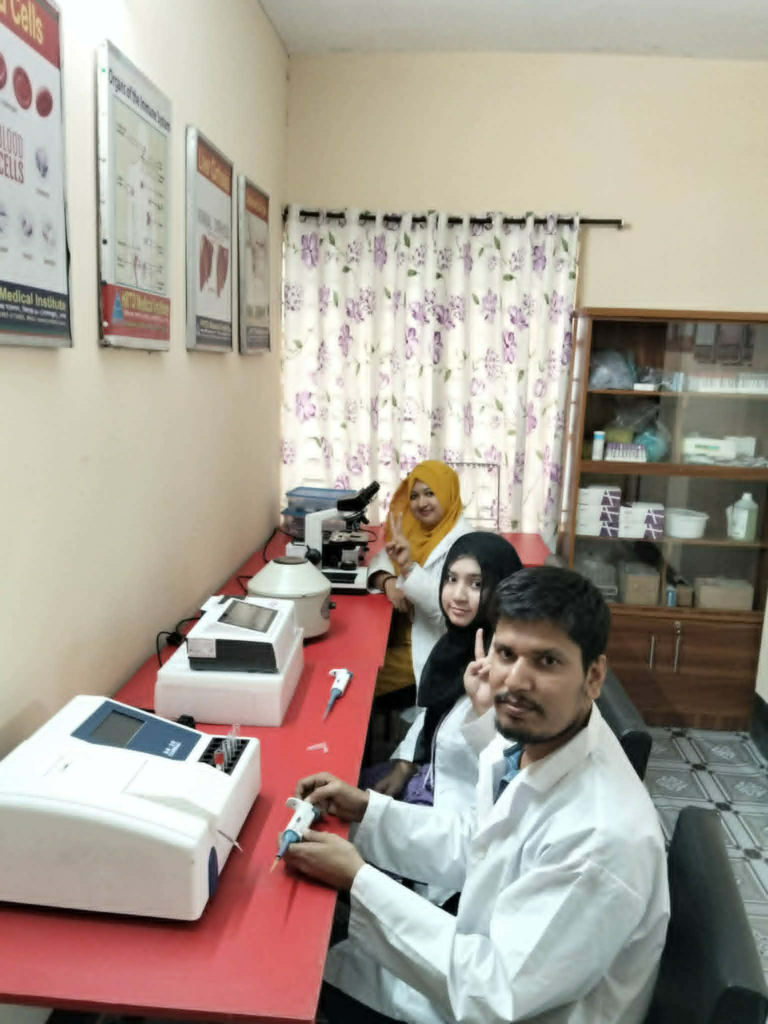
Best Institute for Diploma in Pathology
When it comes to choosing the best institute for a diploma in pathology, one name stands out prominently — HRTD Medical Institute. Known for its commitment to excellence, hands-on training, and industry-relevant curriculum, HRTD Medical Institute has positioned itself as a leading training center in Bangladesh.
This article provides a detailed overview of why HRTD Medical Institute is considered the best choice for pathology diploma training, covering its facilities, curriculum, career prospects, and much more.
About HRTD Medical Institute
HRTD Medical Institute is a well-established training and diagnostic education center located in Dhaka. The institute is dedicated to producing skilled healthcare professionals who can meet the growing demands of the medical and diagnostic sectors.
With a focus on practical training, modern technology, and professional development, HRTD Medical Institute has earned a reputation for quality education in pathology and laboratory sciences.
Key Highlights:
- Experienced faculty members
- Modern laboratory facilities
- Industry-relevant training modules
- Affordable course fees
- Strong student support system
Why Choose a Diploma in Pathology?
Before diving into why HRTD Medical Institute is the best, it is important to understand the value of a diploma in pathology.
Growing Demand
With the rise in diseases and health awareness, diagnostic services are more essential than ever. Pathology professionals are needed in:
- Hospitals
- Diagnostic centers
- Clinics
- Research labs
Short Duration, High Value
A diploma in pathology usually takes less time compared to a full medical degree, allowing students to quickly enter the workforce.
Career Opportunities
Graduates can work as:
- Medical Laboratory Technicians
- Pathology Assistants
- Lab Technologists
- Diagnostic Specialists
Best Institute for Diploma in Pathology
Why HRTD Medical Institute is the Best Choice
1. Industry-Focused Curriculum
HRTD Medical Institute offers a comprehensive and updated curriculum designed according to current industry standards. The course covers:
- Hematology
- Clinical Pathology
- Biochemistry
- Microbiology
- Immunology
Students receive both theoretical knowledge and practical exposure, ensuring they are job-ready upon completion.
2. Advanced Laboratory Facilities
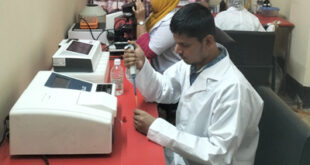
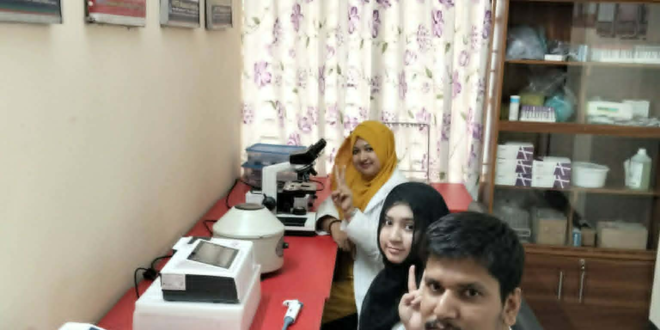
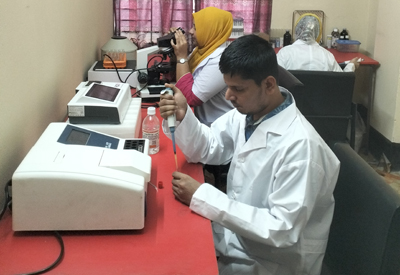
One of the biggest strengths of HRTD Medical Institute is its modern laboratory setup.
Students get hands-on experience with:
- Microscopes
- Blood analyzers
- Biochemistry machines
- Diagnostic tools
This practical exposure is crucial in developing real-world skills.
3. Experienced and Qualified Faculty
The institute boasts a team of highly qualified instructors, including experienced pathologists and medical technologists.
They provide:
- Personalized guidance
- Practical demonstrations
- Career mentorship
This ensures that students not only learn but also understand how to apply their knowledge.
4. Practical Training and Internship Opportunities
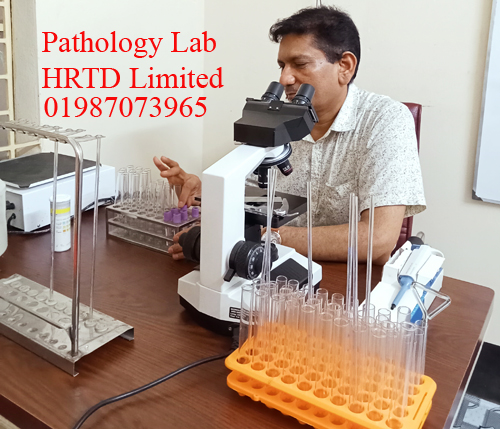
HRTD Medical Institute places strong emphasis on hands-on training.
Students benefit from:
- Real patient sample analysis
- Diagnostic procedures
- Internship opportunities in labs and hospitals
This makes graduates highly competitive in the job market.
5. Affordable Course Fees
Unlike many institutions that charge high tuition fees, HRTD Medical Institute offers quality education at an affordable cost.
This makes it accessible to students from different economic backgrounds.
6. Job Placement Support
The institute provides career guidance and job placement assistance, helping students secure positions in:
- Diagnostic centers
- Hospitals
- Private laboratories
Many students of HRTD Medical Institute are already working successfully in the healthcare sector.
7. Strategic Location
Located in Mirpur, Dhaka, the institute is easily accessible for students from different parts of the city.
Course Structure of Diploma in Pathology
The diploma program at HRTD Medical Institute is designed to provide a balanced mix of theory and practice.
Core Subjects:
- Hematology
- Clinical Biochemistry
- Microbiology
- Histopathology
- Immunology
Practical Training Includes:
- Blood sample collection
- Slide preparation
- Microscopic analysis
- Diagnostic test procedures
Skills You Will Gain
Students completing the diploma from HRTD Medical Institute will develop:
- Laboratory testing skills
- Analytical thinking
- Diagnostic interpretation
- Technical proficiency
- Attention to detail
Best Institute for Diploma in Pathology
Career Opportunities After Completion
Graduates have a wide range of career options:
Employment Areas:
- Hospitals
- Diagnostic centers
- Research institutions
- Clinics
Job Roles:
- Lab Technician
- Pathology Assistant
- Diagnostic Lab Executive
- Medical Technologist
Best Institute for Diploma in Pathology
Future Scope of Pathology in Bangladesh
The future of pathology is extremely promising due to:
- Increasing healthcare awareness
- Growth of diagnostic centers
- Demand for skilled lab professionals
With proper training from HRTD Medical Institute, students can build a stable and rewarding career.
Student Support and Learning Environment
HRTD Medical Institute provides a supportive learning environment that includes:
- Small class sizes
- Individual attention
- Regular assessments
- Practical workshops
Students are encouraged to actively participate and develop confidence.
Best Institute for Diploma in Pathology
Admission Process
The admission process is simple and student-friendly.
Requirements:
- SSC or equivalent qualification
- Interest in medical science
Steps:
- Submit application
- Complete registration
- Attend orientation
Why HRTD Medical Institute Stands Out
Compared to other institutes, HRTD Medical Institute offers:
- Better practical exposure
- Affordable education
- Skilled faculty
- Job-oriented training
These factors make it the best institute for diploma in pathology in Bangladesh.
Best Institute for Diploma in Pathology
Testimonials (Sample Style)
Many students have successfully completed their diploma and are now working in reputable institutions.
They highlight:
- Quality teaching
- Hands-on experience
- Career support
Best Institute for Diploma in Pathology
Conclusion
Choosing the right institute is the most important step in building a successful career in pathology. HRTD Medical Institute provides everything a student needs — from quality education and practical training to career guidance and job placement support.
If you are looking for the best institute for a diploma in pathology in Bangladesh, HRTD Medical Institute is undoubtedly one of the top choices.
Best Institute for Diploma in Pathology
Final Thoughts
A diploma in pathology is not just a course — it is a gateway to a respected and impactful career in healthcare. With the right training from HRTD Medical Institute, you can become a skilled professional and contribute to improving healthcare services in Bangladesh.
Best Institute for Diploma in Pathology
Human Anatomy for Best Institute for Diploma in Pathology
Human anatomy is the scientific study of the structure of the human body, divided into gross anatomy (visible structures like organs) and microscopic anatomy (tissues, cells, etc.). It explores body parts and their organization, crucial for medicine, and involves methods like dissection, imaging (MRI, X-ray), and studying systems (skeletal, muscular, nervous) and regions, focusing on how form dictates function, linking anatomy with physiology.
Key Areas of Study
- Gross Anatomy: Study of structures visible to the naked eye, including organs, bones, muscles, and systems (e.g., circulatory, digestive).
- Microscopic Anatomy: Involves histology (tissues) and cytology (cells) using microscopes.
- Regional Anatomy: Focuses on specific body areas (e.g., head, thorax).
- Systemic Anatomy: Studies the body by organ systems (e.g., nervous, skeletal).
- Clinical Anatomy: Application of anatomical knowledge to medical practice.
Levels of Organization
The body is organized from simple to complex:
- Cells: Basic units of life (e.g., neurons, muscle cells).
- Tissues: Groups of similar cells (e.g., muscle tissue, nervous tissue).
- Organs: Structures made of different tissues working together (e.g., heart, liver, brain).
- Organ Systems: Groups of organs working together (e.g., respiratory, cardiovascular).
Methods of Exploration
- Dissection: Traditional method involving cutting up organisms.
- Medical Imaging: Modern non-invasive techniques like MRI, CT scans, and X-rays for internal views.
- Observation & Palpation: Studying structures on the body’s surface.
Example: Anatomy & Physiology Connection
- Hand: The shape and mobility (anatomy) of the fingers allow for grasping (physiology).
- Muscles: The arrangement of muscle fibers (anatomy) determines how much they can contract (physiology).
Understanding anatomy is fundamental to understanding how the body functions, as structure dictates function.
Best Institute for Diploma in Pathology
Human Physiology for Best Institute for Diploma in Pathology
Human physiology is the science of how the human body works, studying its mechanical, physical, and biochemical functions, from cells to organ systems, to maintain a stable internal environment (homeostasis) and respond to challenges like exercise, stress, or disease. It examines systems like nervous, circulatory, respiratory, and digestive, understanding how they interact to keep the body alive and healthy, forming the basis for modern medicine and performance science.
Core Concepts
- Homeostasis: The body’s ability to maintain stable internal conditions (like temperature, pH, blood sugar) despite external changes.
- Levels of Organization: From molecules and cells to tissues, organs, organ systems, and the whole organism.
- Interconnected Systems: Organ systems (e.g., nervous, endocrine, cardiovascular, respiratory) work together, often coordinated by the neuroendocrine system, to achieve body functions.
Best Institute for Diploma in Pathology
Key Systems Studied
- Nervous System: Control center, processing signals, thoughts, movements (neurons).
- Endocrine System: Uses hormones to regulate body processes like blood pressure, growth.
- Cardiovascular/Circulatory System: Heart, blood vessels; transports oxygen, nutrients, waste.
- Respiratory System: Lungs, airways; gas exchange (oxygen in, carbon dioxide out).
- Digestive System: Converts food into fuel, absorbing nutrients.
- Urinary System/Renal: Kidneys; maintain blood volume, filter waste.
Best Institute for Diploma in Pathology
General Pathology for Best Institute for Diploma in Pathology
General Pathology studies the fundamental mechanisms of disease, focusing on how cells, tissues, and organs respond to injury, leading to structural and functional changes, and involves diagnosing illnesses through lab tests like biopsies, blood analysis, and advanced imaging to understand the “why” and “how” of disease for patient care. It covers basic cellular responses (inflammation, adaptation, repair) and broad disease processes (infections, cancers) before branching into specific areas like surgical or molecular pathology, acting as a bridge between basic science and clinical medicine.
Core Concepts
- Cellular Injury & Adaptation: How cells cope with stress (e.g., hypertrophy, atrophy, metaplasia) or die (necrosis).
- Inflammation & Repair: The body’s response to damage, including blood vessel changes (hyperemia) and wound healing.
- Disorders of Growth: Neoplasia (cancer) and other abnormal cell proliferation (hyperplasia).
- Biochemical Disturbances: Fatty changes (steatosis) or glycogen accumulation in tissues.
- Infectious Diseases: How pathogens like viruses (HPV causing warts) or parasites (tapeworms causing cysticercosis) cause illness.
Best Institute for Diploma in Pathology
Systemic Pathology for Best Institute for Diploma in Pathology
Systemic pathology examines specific diseases, causes, mechanisms, and functional changes within individual organs and organ systems (e.g., cardiovascular, respiratory, gastrointestinal), contrasting with general pathology’s focus on basic cellular responses. It integrates general pathology principles with clinical manifestations of diseases.
Key aspects of systemic pathology
- Focus: Studies diseases affecting specific organ systems like the heart, liver, kidney, nervous system, skin, etc..
- Content: Covers etiology (causes), pathogenesis (development), morphological appearance (gross and microscopic changes), and clinical effects (signs/symptoms) of diseases in these systems.
- Role: Acts as a bridge between theoretical knowledge (general pathology) and practical medicine, integrating basic science with clinical practice.
- Examples of systems covered: Hematology (blood, bone marrow), Respiratory, Gastrointestinal, Endocrine, Male/Female Reproductive, etc..
Best Institute for Diploma in Pathology
Systemic vs. General Pathology
| Feature | General Pathology | Systemic Pathology |
|---|---|---|
| Scope | Basic reactions of cells/tissues to injury (inflammation, degeneration, tumors). | Specific responses/diseases of specialized organs/tissues. |
| Level | Broad, fundamental cellular processes. | Organ-specific diseases and manifestations. |
| Application | Universal concepts of disease. | Clinical integration of disease processes. |
Best Institute for Diploma in Pathology
Clinical Pathology for Best Institute for Diploma in Pathology
Clinical pathology, also known as laboratory medicine, diagnoses diseases by analyzing bodily fluids (blood, urine, spinal fluid) and tissues using chemistry, microbiology, hematology, and molecular techniques, acting as a vital link between lab tests and patient care to guide treatment. Clinical pathologists oversee these labs, ensuring quality and interpreting results to help doctors manage patient health, covering areas from basic blood counts to complex genetic testing.
Key Aspects of Clinical Pathology
- Tests Samples: Analyzes blood, urine, cerebrospinal fluid, joint fluid, bone marrow, and other specimens.
- Broad Disciplines: Includes clinical chemistry, hematology (blood disorders), clinical immunology, and molecular pathology.
- Supports Diagnosis: Provides data for diagnosing, monitoring, and preventing diseases, impacting many healthcare decisions.
- Laboratory Focus: Different from anatomic pathology (which examines tissues/organs directly), clinical pathology focuses on the biochemical and cellular components within fluids.
- Professional Role: Involves medical doctors (pathologists) and scientists who manage testing, quality control, and interpret complex results, working with physicians.
Best Institute for Diploma in Pathology
Microbiology for Best Institute for Diploma in Pathology
Microbiology is the scientific study of microscopic organisms (microbes) like bacteria, viruses, fungi, archaea, and protozoa, exploring their structure, function, ecology, and evolution, crucial for understanding disease (pathogens), public health, food production, and biotechnology. This field uses techniques like culturing and molecular methods (PCR) to identify microbes, develop treatments (antibiotics, vaccines), and exploit beneficial microbes, playing a vital role in medicine (infectious diseases), environmental science, and industry.
Key Areas & Organisms
- Bacteria & Archaea: Single-celled prokaryotes, fundamental to life, soil health, and human gut.
- Viruses: Acellular infectious agents that hijack host cells (e.g., flu, SARS-CoV-2).
- Fungi: Yeasts and molds, important in food (bread, beer) and medicine (penicillin).
- Protozoa & Algae: Diverse single-celled eukaryotes, some causing diseases like malaria, others crucial in aquatic food webs.
Importance & Applications
- Healthcare: Diagnosing infections (MRSA, norovirus), developing antibiotics (penicillin), and creating vaccines (smallpox, COVID-19).
- Public Health: Infection control, sanitation, and understanding pandemics.
- Food & Industry: Fermentation (cheese, yogurt), food safety, probiotics, and genetic engineering.
- Environment: Nutrient cycles in soil and water, bioremediation.
Best Institute for Diploma in Pathology
General Chemistry Best Institute for Diploma in Pathology
General Chemistry for Medical Science is the foundational study of chemical principles (atomic structure, bonding, acids/bases, thermodynamics, kinetics) essential for understanding biological systems, pharmacology, and clinical practice, often leading into organic chemistry and biochemistry. It is a core pre-medical prerequisite for most medical schools.
Key topics covered
- Fundamental principles: Stoichiometry, states of matter, atomic/molecular structure, intermolecular forces, solutions.
- Chemical reactions & equilibrium: Kinetics, thermodynamics, chemical equilibrium, acids/bases, buffers, electrochemistry.
- Biological applications: Chemistry of body fluids (pH, blood gas), basic organic/inorganic components, nucleotides (DNA/RNA), coordination compounds.
- Laboratory skills: Titration, solution preparation, safety protocols (PPE, fire, radiation).
Best Institute for Diploma in Pathology
Biochemistry for Best Institute for Diploma in Pathology
Biochemistry is the study of chemical processes and substances within living organisms, focusing on life at the molecular level, exploring biomolecules (like proteins, DNA, lipids, carbs) and the reactions that sustain life, energy use, and disease. It blends biology and chemistry, investigating how cells function, communicate, and respond to stimuli, forming the foundation for medicine, genetics, agriculture, and biotechnology by explaining the molecular basis of biological functions and malfunctions.
Core Concepts
- Biomolecules: Understanding the structure, function, and interactions of essential molecules like proteins (enzymes), nucleic acids (DNA/RNA), carbohydrates, and lipids.
- Metabolism: The network of chemical reactions (anabolic/building and catabolic/breaking down) that convert food into energy and cellular components, orchestrated by enzymes.
- Molecular Mechanisms: How genes are expressed, cells communicate, and how these processes are regulated.
Key Areas & Applications
- Medicine: Explaining disease causes (e.g., genetic mutations), drug action, and developing treatments.
- Genetics: The chemical basis of heredity, including DNA structure and function.
- Nutrition: How organisms obtain and use nutrients for survival.
- Biotechnology & Agriculture: Developing new bio-based solutions and improving crops.
Best Institute for Diploma in Pathology
Immunology for Best Institute for Diploma in Pathology
Immunology is the branch of biology and medicine studying the immune system, the body’s defense network against pathogens (like germs) and abnormal cells, encompassing innate (general) and adaptive (specific, antibody-based) immunity, and how its failures lead to allergies, autoimmune diseases, or cancer, with applications in vaccines, transplants, and new therapies like immunotherapy.
Core Concepts
- Immune System: A complex network of cells, tissues, and organs that identify and fight invaders (antigens).
- Innate Immunity: The body’s first, non-specific defense against general threats.
- Adaptive Immunity: Specific, memory-based immunity involving B cells (producing antibodies) and T cells, which target particular pathogens.
- Antigens: Foreign substances (like bacteria, viruses) that trigger an immune response.
Key Areas of Study & Application
- Vaccinology: Using weakened or inactive pathogens to train the immune system to build defenses.
- Autoimmunity: When the immune system mistakenly attacks the body (e.g., rheumatoid arthritis, lupus).
- Allergies: Overreactions to harmless substances (allergens).
- Immunodeficiency: Weakened immune systems, increasing infection risk.
- Transplantation Immunology: Managing immune rejection of foreign organs.
- Cancer Immunology: Using the immune system (like CAR T-cells) to fight tumors (immunotherapy).
Best Institute for Diploma in Pathology
Hematology for Best Institute for Diploma in Pathology
Hematology is the branch of medicine focused on studying blood, blood-forming organs (like bone marrow), and blood disorders, covering diagnosis, treatment, and prevention of conditions affecting red cells, white cells, platelets, and clotting factors, including anemias, cancers (leukemia, lymphoma), and bleeding disorders. Hematologists are specialists who diagnose and manage these complex diseases, often alongside oncology.
What Hematology Studies
- Blood Components: Red blood cells (oxygen), white blood cells (immune system), platelets (clotting), and plasma.
- Blood-Forming Organs: Bone marrow, spleen, lymph nodes, thymus.
- Blood Production (Hematopoiesis): How blood cells are made in the bone marrow.
- Related Systems: Lymphatic and vascular systems, and clotting (hemostasis).
Common Blood Disorders Managed by Hematologists
- Anemia: Lack of healthy red blood cells (e.g., iron deficiency, sickle cell).
- Cancers: Leukemia, lymphoma, multiple myeloma.
- Bleeding/Clotting Disorders: Hemophilia, thrombosis (excessive clotting).
- Hemoglobinopathies: Genetic disorders affecting hemoglobin (e.g., Thalassemia).
What Hematologists Do
- Diagnose conditions through blood tests and biopsies.
- Provide treatments like chemotherapy, immunotherapy, transfusions, or targeted therapies.
- Often work closely with oncologists (hematology-oncology).
Best Institute for Diploma in Pathology
Pathology for Medical Practice
Pathology for Medical Practice is the study of disease causes and effects, essential for diagnosis, treatment planning, disease monitoring, and research, involving the examination of tissues, fluids, and cells to guide clinical decisions. It bridges science and medicine, impacting over 70% of healthcare decisions, from cancer diagnosis to chronic disease management.
Key Aspects of Pathology in Medical Practice
- Diagnostic Role: Pathologists diagnose diseases (e.g., cancer, infections) by analyzing biopsies, blood, urine, and other samples.
- Treatment Guidance: Provides crucial information (tumor type, stage) to oncologists and surgeons for personalized treatment plans (chemo, surgery, etc.).
- Monitoring & Prevention: Tracks chronic disease progression (e.g., diabetes) and identifies early disease potential.
- Forensic/Autopsy: Determines cause of death in suspicious or unknown cases.
Types of Pathology Practices
- Anatomic Pathology: Examines tissues/cells via microscopy (biopsy, cytology, autopsies).
- Clinical Pathology: Analyzes bodily fluids (blood, urine, CSF) using chemistry, microbiology, hematology, and immunology.
- Molecular Pathology: Studies genetic and molecular changes (DNA, proteins) for personalized medicine and cancer diagnostics.