 Pathology Training Institute in Bangladesh Best Pathology Training Institute in Bangladesh


Melatonin Test at HRTD Medical Institute 01797522136
Introduction
In today’s fast-paced world, sleep disorders and hormonal imbalances are becoming increasingly common. One of the key hormones responsible for regulating sleep is melatonin, and testing its levels can provide valuable insights into various health conditions. At HRTD Medical Institute, advanced diagnostic facilities make it possible to evaluate melatonin-related disorders with precision and reliability.
This comprehensive blog will guide you through everything you need to know about the melatonin test, including its purpose, procedure, clinical significance, interpretation, and availability at HRTD.
Melatonin Test at HRTD Medical Institute 01797522136
What is Melatonin?
Melatonin is a hormone produced by the pineal gland in the brain. It plays a vital role in regulating the body’s circadian rhythm, also known as the sleep-wake cycle.
Key Functions of Melatonin:
- Controls sleep timing and quality
- Regulates circadian rhythm
- Influences mood and mental health
- Supports immune system function
- Acts as a powerful antioxidant
Melatonin levels typically:
- Rise in the evening (darkness)
- Peak during the night
- Decrease in the morning (light exposure)
Melatonin Test at HRTD Medical Institute 01797522136
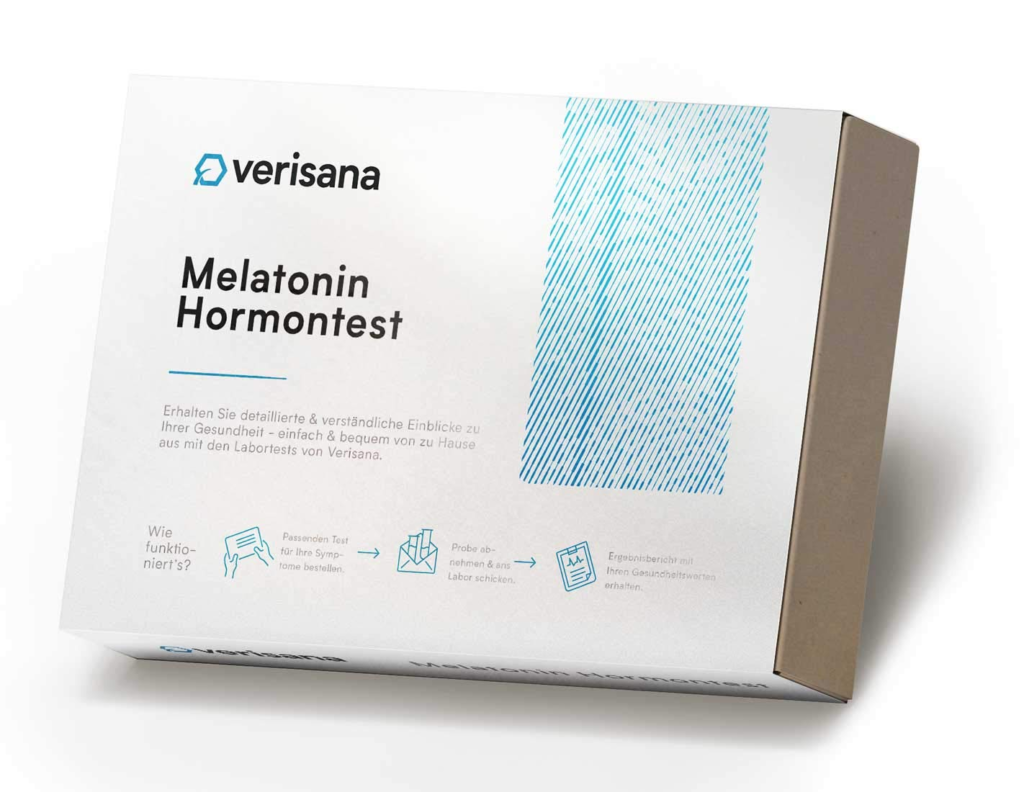
What is a Melatonin Test?
A melatonin test measures the level of melatonin in your body to assess sleep disorders, circadian rhythm disturbances, or hormonal imbalances.
Types of Melatonin Tests:
- Blood Test (Serum Melatonin)
- Saliva Test
- Urine Test (6-sulfatoxymelatonin)
Each method helps evaluate melatonin production at different times of the day.
Why is a Melatonin Test Important?
Doctors recommend melatonin testing for diagnosing and managing conditions such as:
- Insomnia
- Delayed Sleep Phase Syndrome
- Jet Lag Disorder
- Shift work sleep disorder
- Depression and mood disorders
- Chronic fatigue
- Hormonal imbalance
Melatonin Test at HRTD Medical Institute 01797522136
Signs You May Need a Melatonin Test
You should consider testing if you experience:
- Difficulty falling asleep
- Waking up frequently at night
- Daytime fatigue or drowsiness
- Irregular sleep schedule
- Mood swings or depression
- Poor concentration
Melatonin Test at HRTD Medical Institute 01797522136
Melatonin Testing at HRTD Medical Institute
Overview
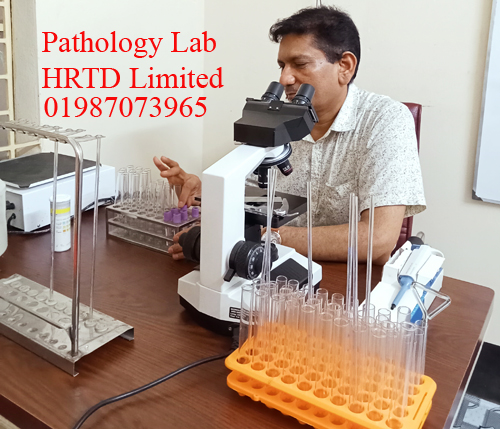
HRTD Medical Institute is a trusted name in diagnostic and medical education in Bangladesh. The institute offers modern laboratory services with accurate testing procedures.
Facilities Available:
- Advanced clinical laboratory
- Skilled laboratory technologists
- Quality-controlled testing environment
- Affordable diagnostic packages
Why Choose HRTD?
- Reliable results
- Experienced professionals
- Convenient location in Mirpur-10
- Patient-friendly service
Test Procedure
1. Preparation
Before the test, patients may be advised to:
- Avoid caffeine and alcohol
- Maintain a normal sleep routine
- Avoid bright light exposure before testing
- Inform the doctor about medications
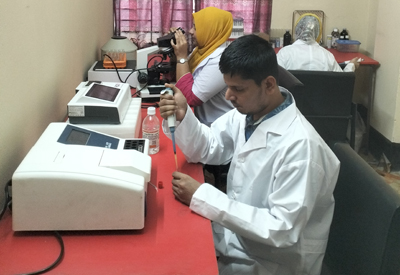
2. Sample Collection
Depending on the test type:
- Blood sample: Collected from a vein
- Saliva sample: Collected using a sterile tube
- Urine sample: Collected overnight or at specific times
3. Timing Matters
Melatonin levels vary throughout the day, so samples are often collected at night or early morning for accurate results.
Melatonin Test at HRTD Medical Institute 01797522136
Normal Melatonin Levels
Melatonin levels vary depending on age, time of day, and individual health conditions.
Typical Reference Values:
- Daytime: Low (0–20 pg/mL)
- Nighttime: High (20–100+ pg/mL)
⚠️ Note: These values may vary depending on the laboratory.
Interpretation of Results
High Melatonin Levels May Indicate:
- Excessive sleepiness
- Seasonal affective disorder
- Certain medications
- Hormonal imbalance
Low Melatonin Levels May Indicate:
- Insomnia
- Aging-related changes
- Stress or anxiety
- Exposure to artificial light at night
Clinical Significance
Melatonin testing helps in:
1. Diagnosing Sleep Disorders
Conditions like Insomnia can be linked to low melatonin production.
2. Evaluating Circadian Rhythm Disorders
Disorders such as Delayed Sleep Phase Syndrome require melatonin assessment.
3. Monitoring Treatment
Doctors may track melatonin levels during therapy.
Melatonin Test at HRTD Medical Institute 01797522136
Factors Affecting Melatonin Levels
Several factors can influence melatonin production:
- Light exposure (especially blue light)
- Age
- Stress
- Diet
- Medications
- Travel across time zones
Melatonin Test at HRTD Medical Institute 01797522136
Benefits of Melatonin Testing at HRTD
- Accurate diagnosis
- Personalized treatment planning
- Early detection of sleep disorders
- Improved quality of life
Melatonin Test at HRTD Medical Institute 01797522136
Cost of Melatonin Test in Bangladesh
At HRTD Medical Institute, the cost may vary depending on the test type:
- Blood test: ৳1500 – ৳3000
- Urine test: ৳1000 – ৳2500
👉 Contact the institute directly for updated pricing.
Melatonin Test at HRTD Medical Institute 01797522136
Preparation Tips for Accurate Results
- Follow your doctor’s instructions
- Avoid bright light before testing
- Maintain a regular sleep schedule
- Inform about medications
Melatonin Test at HRTD Medical Institute 01797522136
Who Should Get Tested?
Melatonin testing is recommended for:
- Patients with chronic sleep problems
- Shift workers
- Frequent travelers
- Individuals with depression or fatigue
Melatonin Test at HRTD Medical Institute 01797522136
Risks and Safety
Melatonin testing is safe and non-invasive (especially saliva and urine tests). Blood tests may cause minor discomfort.
Melatonin Test at HRTD Medical Institute 01797522136
Lifestyle Tips to Improve Melatonin Levels
- Maintain a consistent sleep schedule
- Reduce screen time before bed
- Keep your bedroom dark
- Avoid caffeine at night
- Practice relaxation techniques
Melatonin Test at HRTD Medical Institute 01797522136
Frequently Asked Questions (FAQs)
1. Is melatonin testing necessary for insomnia?
Yes, it helps identify hormonal causes of sleep issues.
2. Can I take melatonin supplements before testing?
No, consult your doctor before taking supplements.
3. How long does it take to get results?
Usually within 24–48 hours at HRTD.
4. Is fasting required?
Not always, but follow lab instructions.
Melatonin Test at HRTD Medical Institute 01797522136
Future of Melatonin Testing
With advancements in diagnostic technology, melatonin testing is becoming more accessible and accurate. Institutions like HRTD Medical Institute are playing a key role in bringing modern healthcare services to Bangladesh.
Melatonin Test at HRTD Medical Institute 01797522136
Conclusion
Melatonin testing is an essential diagnostic tool for understanding sleep disorders and hormonal imbalances. Whether you are struggling with insomnia, irregular sleep patterns, or fatigue, a melatonin test can provide valuable insights into your health.
At HRTD Medical Institute, patients receive high-quality diagnostic services with accuracy and care. If you are experiencing sleep-related issues, consider consulting a healthcare professional and getting a melatonin test for better health and well-being.
Contact Information
HRTD Medical Institute
Mirpur-10, Dhaka, Bangladesh
📞 01797522136 / 01987073965 / 01784572173
Melatonin Test at HRTD Medical Institute 01797522136
Advanced Clinical Insights on Melatonin Testing
Melatonin is not just a sleep hormone—it is deeply integrated into multiple physiological systems. At HRTD Medical Institute, clinicians increasingly consider melatonin testing as part of a broader diagnostic framework, especially in complex or chronic cases.
Melatonin and the Circadian System
The body’s internal clock is controlled by the Circadian Rhythm, which synchronizes bodily functions with environmental light-dark cycles.
Melatonin secretion:
- Begins after sunset
- Peaks between 2:00 AM – 4:00 AM
- Falls sharply before sunrise
Disruption in this rhythm can lead to:
- Sleep disorders
- Hormonal imbalance
- Reduced cognitive performance
Melatonin Test at HRTD Medical Institute 01797522136
Dim Light Melatonin Onset (DLMO): A Gold Standard
One of the most precise ways to assess melatonin function is through Dim Light Melatonin Onset (DLMO) testing.
What is DLMO?
DLMO measures the exact time when melatonin levels begin to rise in the evening under low-light conditions.
Clinical Importance:
- Determines biological night timing
- Diagnoses circadian rhythm disorders
- Helps personalize sleep therapy
At HRTD Medical Institute, DLMO-based evaluation may be incorporated in advanced sleep assessments when clinically indicated.
Melatonin Test at HRTD Medical Institute 01797522136
Melatonin and Mental Health
Recent research shows a strong connection between melatonin and mental health conditions.
Depression and Melatonin
Low melatonin levels are often associated with:
- Major Depressive Disorder
- Seasonal mood changes
- Sleep disturbances
Melatonin testing helps:
- Identify underlying circadian disruption
- Guide treatment strategies
Melatonin Test at HRTD Medical Institute 01797522136
Melatonin and the Immune System
Melatonin acts as an immune modulator. It enhances immune response and reduces inflammation.
Key Roles:
- Stimulates antioxidant enzymes
- Reduces oxidative stress
- Supports immune cell activity
This makes melatonin testing relevant in:
- Chronic infections
- Inflammatory conditions
- Recovery monitoring
Melatonin Test at HRTD Medical Institute 01797522136
Pediatric Melatonin Testing
Children can also experience melatonin-related disorders.
Common Indications:
- Delayed sleep onset
- Behavioral sleep issues
- Neurodevelopmental disorders
Melatonin testing at HRTD Medical Institute can help pediatricians:
- Understand sleep disturbances
- Optimize treatment plans
Melatonin Test at HRTD Medical Institute 01797522136
Melatonin in Aging and Elderly Care
As people age, melatonin production naturally declines.
Effects in Elderly:
- Early waking
- Fragmented sleep
- Increased risk of insomnia
Testing helps:
- Differentiate between normal aging and pathological sleep disorders
- Improve quality of life in older adults
Melatonin Test at HRTD Medical Institute 01797522136
Melatonin and Shift Work
Shift workers are at high risk of circadian disruption.
Health Risks:
- Chronic fatigue
- Poor concentration
- Increased risk of metabolic disorders
Melatonin testing helps:
- Assess circadian misalignment
- Develop personalized sleep schedules
Melatonin Test at HRTD Medical Institute 01797522136
Role of Melatonin in Metabolic Health
Emerging evidence links melatonin to metabolic regulation.
Associated Conditions:
Obesity
Obesity is a complex, chronic disease defined by excessive fat accumulation—typically a Body Mass Index (BMI)
30—that poses severe health risks. It results from a mix of genetic, metabolic, and environmental factors, primarily high-calorie diets and sedentary lifestyles. It increases risks of heart disease, type 2 diabetes, and cancer.
Main Causes of Obesity
- Energy Imbalance: Consuming more calories (particularly high-fat/high-sugar) than the body uses.
- Environmental Factors: Lack of access to healthy foods and physical activity opportunities.
- Lifestyle: Sedentary behavior and high-calorie diets.
- Genetics & Biology: Affects how the body processes food and stores fat.
- Other Factors: Underlying conditions (e.g., hypothyroidism), medications, and lack of sleep.
Symptoms and Health Risks
Obesity affects multiple body systems. Common complications include: Clinic +2
- Cardiovascular: Hypertension, high cholesterol, heart disease, and stroke.
- Metabolic: Type 2 diabetes.
- Pulmonary/Sleep: Sleep apnea and breathing issues.
- Musculoskeletal: Osteoarthritis (joint damage).
- Gastrointestinal: Fatty liver disease and gallstones.
- Others: Increased risk of over 13 types of cancer.
Classification and Diagnosis
Obesity is diagnosed using Body Mass Index (BMI): Prevention | CDC (.gov)
- Overweight: BMI 25.0 – 29.9 kg/m².
- Class 1 Obesity: BMI 30.0 – 34.9 kg/m².
- Class 2 Obesity: BMI 35.0 – 39.9 kg/m².
- Class 3 Obesity (Severe): BMI
40.0 kg/m².
Treatment and Management
Effective management usually involves a multidisciplinary approach:
- Lifestyle Changes: A balanced, reduced-calorie diet and increased physical activity.
- Behavioral Therapy: Support for changing eating habits.
- Medical Intervention: Sometimes necessary, including medications or bariatric surgery.
It is important to discuss weight concerns with a GP or qualified health professional for a tailored management plan.
Type 2 diabetes
Type 2 diabetes is a chronic condition where the body resists insulin or fails to produce enough, causing high blood sugar (hyperglycemia). It is commonly caused by lifestyle factors, such as inactivity and obesity, and increases risk for serious complications, including heart disease and nerve damage. Management includes diet, exercise, and medication.
Symptoms of Type 2 Diabetes
Many people have no symptoms, or symptoms develop slowly. Common symptoms include:
- Frequent urination and extreme thirst.
- Persistent fatigue and weakness.
- Slow-healing cuts or grazes.
- Blurred vision.
- Recurrent infections, such as thrush.
Causes and Risk Factors
The main cause is insulin resistance, where cells do not respond properly to insulin, eventually causing the pancreas to become exhausted and produce less insulin. Major risk factors include: Diabetes Association +1
- Obesity/Overweight: Being overweight, especially with abdominal fat.
- Physical Inactivity: Low levels of physical activity.
- Genetics/Family History: Having a parent or sibling with the condition.
- Age/Ethnicity: Risk increases with age, particularly after 45, though it is rising in younger people.
Treatment and Management
Type 2 diabetes is managed through, or in some cases reversed by:
- Lifestyle Changes: A healthy diet (low sugar, low saturated fat) and regular physical activity.
- Weight Loss: Losing weight can help reverse the condition in some cases.
- Medication: Oral tablets (like metformin) or insulin injections to lower blood glucose.
Complications
Uncontrolled high blood sugar can cause severe long-term damage, including:
Nerve and Foot Damage: Reduced blood flow and numbness, leading to infections and potential amputation.
Heart and vascular damage: Increased risk of heart attack or stroke.
Kidney damage (Diabetic Nephropathy): Potential kidney failure.
Eye Damage (Diabetic Retinopathy): Possible vision loss or blindness.
Metabolic syndrome
Metabolic syndrome is a group of conditions that increase the risk of heart disease, stroke and type 2 diabetes. These conditions include high blood pressure, high blood sugar, too much fat around the waist, and high cholesterol or triglyceride levels. Metabolic syndrome means having three or more of these conditions
Metabolic syndrome is a cluster of conditions—including abdominal obesity, high blood pressure, high blood sugar, high triglycerides, and low HDL cholesterol—that together significantly increase the risk of developing heart disease, stroke, and type 2 diabetes. Caused primarily by obesity, insulin resistance, and inactivity, it is often managed through lifestyle changes, diet, and medication. Clinic +4
Symptoms of Metabolic Syndrome
Most components of metabolic syndrome do not cause noticeable symptoms. However, some signs may exist:
- Large waist circumference: The main visible sign, often described as an “apple-shaped” body.
- High blood sugar: Symptoms can include increased thirst, frequent urination, and fatigue.
- High blood pressure: Sometimes causes headaches or dizziness.
- Acanthosis nigricans: Darkened skin patches, often found on the neck, armpits, or under the breasts, which can indicate insulin resistance.
www.heart.org +4
Causes and Risk Factors
Metabolic syndrome is linked to a combination of factors, including:
- Overweight or obesity: Specifically, excess fat around the abdomen.
- Insulin resistance: A condition where cells do not respond properly to insulin, causing blood sugar to rise.
- Physical inactivity: A sedentary lifestyle.
- Age: The risk increases with age.
- Genetics: A family history of diabetes or metabolic issues.
Long-Term Effects
If left untreated, metabolic syndrome can lead to serious health complications, such as:
- Cardiovascular disease: Heart attacks and stroke.
- Type 2 diabetes: Due to chronic insulin resistance.
- Kidney problems: Damage caused by high blood pressure and blood sugar.
- Fatty liver disease: Plaque buildup in arteries (atherosclerosis).
Treatment and Management Options
The primary goal is to reduce the risk of diabetes and cardiovascular diseases.
- Lifestyle changes: Losing weight, quitting smoking, and increasing physical activity.
- Nutritious Diet: Adopting a heart-healthy diet (e.g., low salt, low fat).
- Medication: Doctors may prescribe drugs to manage blood pressure, lower cholesterol, or improve insulin sensitivity.
Diagnosis Criteria
A diagnosis is made if a person has at least three of these five conditions:
- Waist circumference:
40 inches (men) or
35 inches (women).
- Triglycerides: 150 mg/dL or higher.
- HDL cholesterol: < 40 mg/dL (men) or < 50 mg/dL (women).
- Blood pressure: 130/80 mmHg or higher.
- Fasting glucose: 100 mg/dL or higher
Melatonin influences:
- Insulin secretion
- Glucose metabolism
Testing can support early detection of metabolic imbalance.
Melatonin Test at HRTD Medical Institute 01797522136
Laboratory Techniques Used at HRTD
At HRTD Medical Institute, melatonin measurement may involve advanced methodologies such as:
1. ELISA (Enzyme-Linked Immunosorbent Assay)
- Common and cost-effective
- Good sensitivity
The Enzyme-Linked Immunosorbent Assay (ELISA) is a plate-based laboratory technique used to detect and quantify substances such as peptides, proteins, antibodies, and hormones (e.g., hCG, HIV antibodies) in liquid samples. By using specific antibodies and enzyme-linked reactions, it produces measurable, colored signals that indicate the amount of target analyte present.
Key Types of ELISA:
- Direct ELISA: Antigen is coated on the plate and detected by an enzyme-linked antibody.
- Indirect ELISA: Antigen is coated on the plate, a primary antibody binds the antigen, and a labeled secondary antibody binds the primary antibody.
- Sandwich ELISA: The most common form, where the antigen is “sandwiched” between a capture antibody and a detection antibody.
- Competitive ELISA: Measures concentration by observing interference in a known signal, where higher analyte concentrations yield lower signals.
Common Steps in an ELISA Assay:
- Coating: A solid surface (usually a 96-well polystyrene plate) is coated with either antibody or antigen.
- Blocking: Non-specific binding sites are blocked.
- Detection: Samples are added; enzyme-linked antibodies are introduced.
- Signal Generation: Substrate is added, which produces a color change upon interaction with the enzyme.
- Detection: The optical density is measured using a spectrophotometer (ELISA plate reader).
2. RIA (Radioimmunoassay)
- Highly accurate
- Used in specialized labs
Melatonin Test at HRTD Medical Institute 01797522136
Pre-Analytical Considerations
Accurate melatonin testing requires strict control of external factors.
Important Guidelines:
- Dim lighting before sample collection
- Avoid electronic screens
- Maintain sleep diary
- Follow exact timing protocol
Failure to follow these may lead to inaccurate results.
Melatonin Test at HRTD Medical Institute 01797522136
Post-Test Clinical Management
After receiving test results, doctors at HRTD Medical Institute may recommend:
Treatment Options:
- Melatonin supplementation
- Light therapy
- Behavioral therapy
- Sleep hygiene improvement
Melatonin Test at HRTD Medical Institute 01797522136
Light Therapy and Melatonin
Light exposure plays a critical role in melatonin regulation.
How It Works:
- Morning light suppresses melatonin
- Evening darkness stimulates production
Light therapy is used in:
Seasonal Affective Disorder
The main symptom of seasonal affective disorder (SAD) is depression that happens in the winter and goes away in the summer. Some people have depression symptoms in summer instead, but this is less common. Symptoms of seasonal affective disorder include: low mood. a lack of interest in things you usually enjoy
Circadian rhythm disorders
Circadian rhythm disorders, also known as sleep-wake cycle disorders, are problems that occur when your body’s internal clock, which tells you when it’s time to sleep or wake, is out of sync with your environment. Your internal clock, called a circadian clock, cycles about every 24 hours
Melatonin Supplements: Clinical Perspective
Melatonin supplements are widely used, but must be taken cautiously.
Benefits:
- Improves sleep onset
- Helps jet lag recovery
Risks:
- Overuse can disrupt natural production
- Possible side effects (drowsiness, headache)
Always consult professionals at HRTD Medical Institute before use.
Melatonin Test at HRTD Medical Institute 01797522136
Research and Future Trends
Melatonin research is expanding rapidly.
Future Applications:
- Cancer therapy support
- Neurodegenerative disease management
- Anti-aging medicine
Institutions like HRTD Medical Institute are expected to adopt these innovations in the coming years.
Melatonin Test at HRTD Medical Institute 01797522136
Public Awareness in Bangladesh
In Bangladesh, awareness about sleep health is still developing.
Challenges:
- Lack of awareness
- Misdiagnosis of sleep disorders
- Limited access to specialized testing
Role of HRTD:
- Providing education
- Offering affordable diagnostics
- Training healthcare professionals
Melatonin Test at HRTD Medical Institute 01797522136
Case Study (Example Scenario)
A 35-year-old office worker with chronic insomnia visits HRTD Medical Institute.
Symptoms:
- Difficulty falling asleep
- Daytime fatigue
- Irregular sleep schedule
Diagnosis:
Melatonin testing reveals delayed secretion pattern.
Treatment:
- Light therapy
- Sleep schedule correction
- Melatonin supplementation
Outcome:
Improved sleep quality within weeks.
Melatonin Test at HRTD Medical Institute 01797522136
Comparison with Other Hormonal Tests
Melatonin is often evaluated alongside:
- Cortisol (stress hormone)
- Thyroid hormones
- Growth hormone
This provides a complete hormonal profile.
Melatonin Test at HRTD Medical Institute 01797522136
Practical Tips for Patients
Before visiting HRTD Medical Institute:
- Book an appointment
- Follow pre-test instructions
- Carry previous medical reports
- Discuss symptoms clearly
Melatonin Test at HRTD Medical Institute 01797522136
Final Extended Conclusion
Melatonin testing is no longer a niche diagnostic tool—it is becoming an essential part of modern healthcare. From sleep disorders to mental health and metabolic conditions, melatonin plays a critical role in maintaining overall well-being.
At HRTD Medical Institute, patients benefit from accurate, affordable, and professional diagnostic services. Whether you are a patient seeking better sleep or a healthcare learner exploring diagnostic science, melatonin testing offers valuable insights into the body’s internal clock.
By combining advanced laboratory techniques, expert consultation, and patient-centered care, HRTD continues to contribute to improved healthcare outcomes in Bangladesh.