 Pathology Training Institute in Bangladesh Best Pathology Training Institute in Bangladesh


IgE Test 01797522136
The human body has a highly intelligent and complex immune system that works continuously to keep us safe from infections, allergens, and harmful environmental elements. One of the key components of this immune system is antibodies, which are also called immunoglobulins. Among these, Immunoglobulin E (IgE) plays a special role in allergic reactions and hypersensitivity responses.
When a person is exposed to allergens—such as dust, pollen, food particles, insect venom, or pet dander—the body’s immune system may mistakenly identify these harmless substances as threats and produce IgE antibodies. This abnormal immune reaction triggers allergy symptoms like itching, swelling, sneezing, rashes, hives, breathing difficulty, and even life-threatening anaphylaxis. Because allergies are becoming more common in Bangladesh and worldwide, the IgE test has become an extremely important diagnostic tool in medical practice.

HRTD Medical Institute, located in Mirpur-10, Dhaka, provides reliable, accurate, and evidence-based IgE testing services for patients of all ages. With advanced laboratory equipment, experienced medical technologists, and strict quality-control procedures, HRTD Medical Institute ensures high-precision results that help doctors diagnose allergy-related conditions more effectively. This comprehensive article explains what an IgE test is, why it is important, when it is needed, how the test works, how results are interpreted, common allergic conditions associated with IgE, and why HRTD Medical Institute is an excellent choice for this test.
What Is IgE?
Immunoglobulin E (IgE) is a type of antibody produced by the immune system. Unlike other immunoglobulins (IgA, IgG, IgM, IgD), IgE is primarily associated with allergic and hypersensitive reactions. IgE levels in the blood are normally very low, but when the body reacts abnormally to allergens, IgE production increases significantly. This increase can be detected through a simple blood test known as the IgE test or serum IgE test.
The main function of IgE is to protect the body from parasites—such as helminths, roundworms, or hookworms—but in the modern environment, the immune system often misinterprets harmless substances as dangerous threats. When IgE antibodies attach to mast cells and basophils, exposure to allergens causes the release of histamine and other inflammatory chemicals, which lead to allergy symptoms.
What Is an IgE Test?
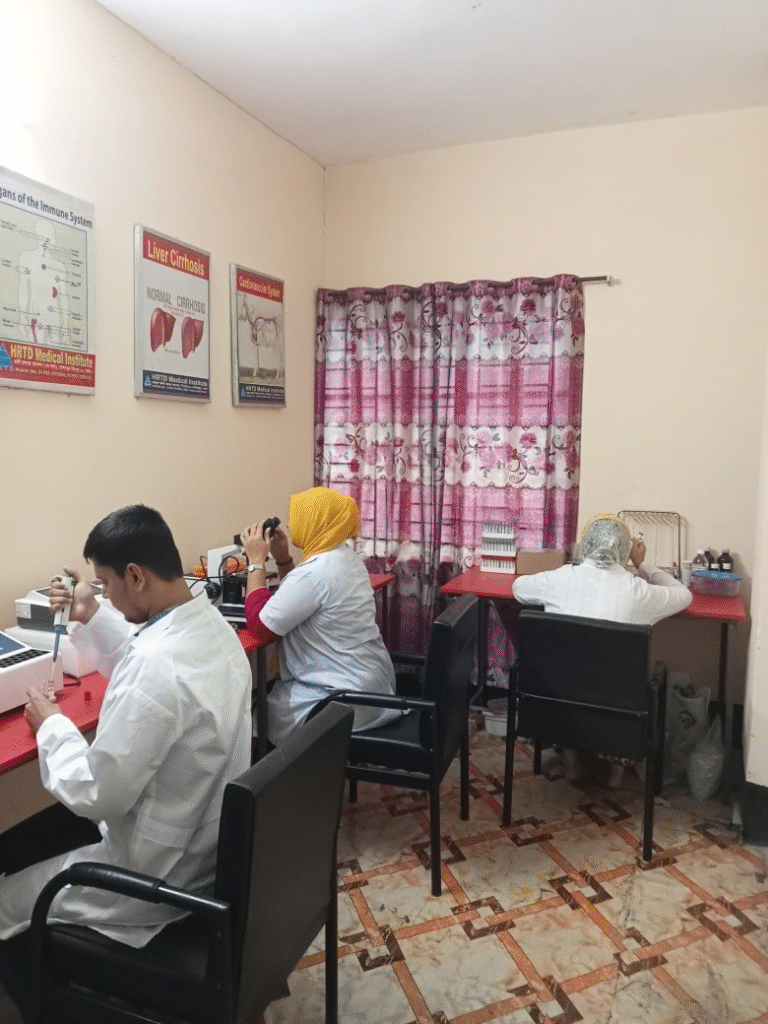
An IgE test is a laboratory analysis that measures the amount of immunoglobulin E in a patient’s blood. There are two major forms of this test:
- Total IgE Test
Measures the overall concentration of IgE in the bloodstream. This test is helpful for identifying general allergic tendencies or parasitic infections. - Specific IgE Test (Allergen-Specific IgE)
Measures IgE antibodies against specific allergens. For example:- Dust mites
- Pollen (grass, trees, weeds)
- Foods (milk, eggs, peanuts, shellfish)
- Insects (bee venom, mosquito bites)
- Animal dander
- Fungal spores
Specific IgE helps doctors identify exactly which allergen is responsible for a patient’s symptoms.
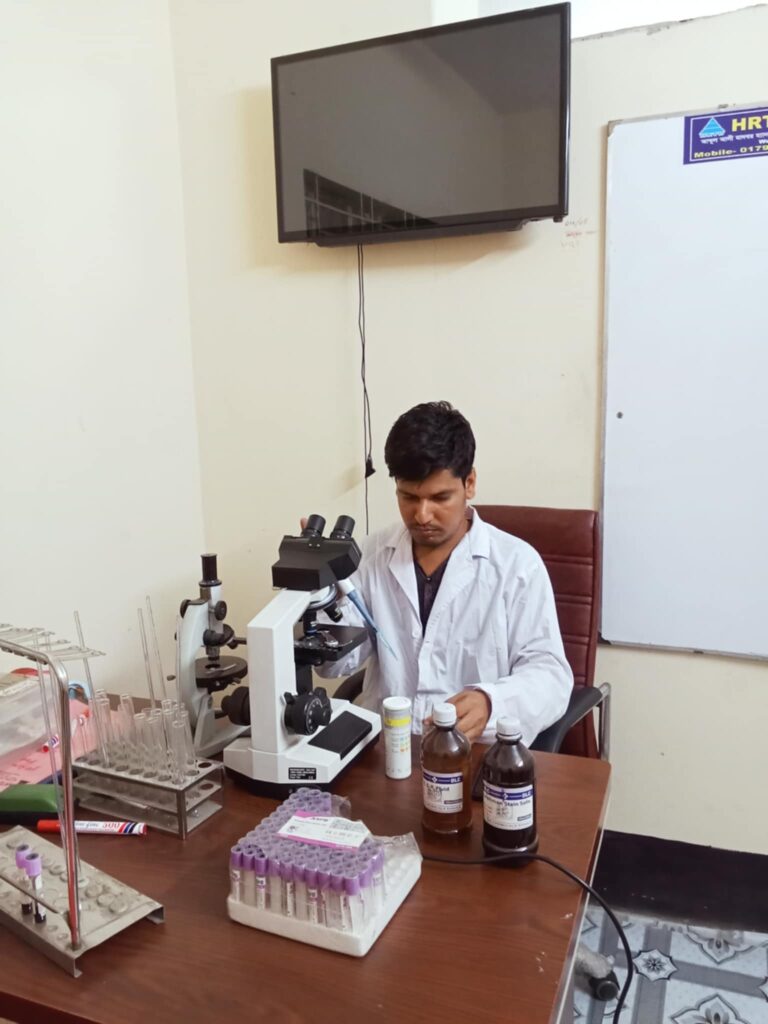
HRTD Medical Institute provides both Total IgE and Allergen-Specific IgE tests using modern immunoassay analyzers.
Why Is the IgE Test Important?
The IgE test plays a critical role in evaluating and managing allergy-related conditions. Some of the key reasons why the test is important include:
1. Identifying Allergic Diseases
Many people experience allergic symptoms but do not know the exact cause. IgE testing helps identify whether allergies are present and which allergens are triggering reactions.
2. Managing Asthma
Allergic asthma is one of the most common types of asthma. Elevated IgE levels may indicate that asthma symptoms are linked to airborne allergens.
3. Diagnosing Food Allergies
Food allergies can cause serious complications, including anaphylaxis. IgE tests can detect allergens in common foods such as milk, eggs, nuts, and seafood.
4. Supporting Treatment Decisions
Doctors may suggest allergy medications, immunotherapy (allergy shots), or lifestyle modifications based on IgE results.
5. Detecting Parasitic Infections
Some parasitic infections trigger increased IgE levels.
6. Monitoring Chronic Allergy Patients
People with ongoing allergy problems may require periodic IgE testing to monitor their immune response.
Who Should Get an IgE Test?
The IgE test is recommended for individuals who show symptoms of allergic reactions or suspected hypersensitivity. Common symptoms include:
- Repeated sneezing
- Itchy and watery eyes
- Nasal congestion or runny nose
- Skin rashes or eczema
- Hives (urticaria)
- Swelling of lips, eyes, or face
- Wheezing or difficulty breathing
- Reactions after eating specific foods
- Recurrent coughing
- Reactions to insect bites
- Chronic sinusitis
Doctors may also recommend the test for:
- Children with recurrent respiratory infections
- People with eczema or atopic dermatitis
- Patients with unexplained skin irritation
- Individuals exposed to environmental allergens
- Asthma patients whose symptoms are not improving
- People with family history of allergies
Conditions Diagnosed Through IgE Testing
Several allergic and immunological conditions can be diagnosed using IgE tests:
1. Allergic Rhinitis
Commonly known as hay fever, this condition causes sneezing, runny nose, nasal blockage, and itchy eyes. IgE testing identifies environmental triggers like dust mites, pollen, and mold.
2. Asthma
Allergic asthma is often related to increased IgE levels. Testing helps identify allergens contributing to respiratory symptoms.
3. Atopic Dermatitis (Eczema)
Eczema may be associated with elevated IgE, especially in children. Identifying allergens helps manage the condition.
4. Food Allergies
Common food allergens include:
- Egg
- Milk
- Peanuts
- Shrimp
- Soy
- Wheat
IgE testing provides crucial information for dietary management.
5. Urticaria (Hives)
Chronic hives may be linked to allergies or autoimmune reactions.
6. Anaphylaxis
IgE-mediated anaphylaxis is a medical emergency. Identifying the allergen is essential for prevention.
7. Parasitic Infections
IgE may increase significantly with parasitic infections such as helminths.
How Is the IgE Test Performed?
The IgE test is a simple, safe, and quick procedure performed at HRTD Medical Institute. Steps include:
- A medical technologist takes a small blood sample from a vein (usually from the arm).
- The sample is labeled and sent to the laboratory.
- The sample is processed using advanced immunology analyzers.
- IgE levels are measured and reported.
- Results are interpreted by medical professionals.
The entire process takes only a few minutes, and there is no special preparation needed. Patients can eat normally and continue medications unless advised otherwise.
Understanding IgE Test Results
1. Total IgE
Normal total IgE values vary with age:
- Children: Lower but gradually increasing with age
- Adults: Generally below 100–150 IU/mL
High IgE suggests:
- Allergic conditions
- Asthma
- Atopic dermatitis
- Parasitic infections
- Certain immune disorders
Normal IgE does not always rule out allergy, which is why specific IgE tests or clinical evaluation may still be needed.
2. Specific IgE Results
Specific IgE results are graded from Class 0 to Class 6:
- Class 0: Negative or very low
- Class 1–2: Low sensitivity
- Class 3–4: Moderate sensitivity
- Class 5–6: High to very high sensitivity
Higher classes indicate stronger allergic reactions to specific allergens.
Advantages of IgE Testing at HRTD Medical Institute
HRTD Medical Institute offers several benefits for patients seeking IgE testing:
1. Advanced Technology
The institute uses modern immunoassay systems for accurate and reproducible results.
2. Expert Team
Certified medical technologists and experienced laboratory consultants ensure high-quality testing.
3. Fast & Reliable Reports
Rapid processing and timely report delivery improve patient care.
4. Affordable Pricing
Cost-effective testing without compromising accuracy.
5. Safe Sample Handling
Strict quality control is maintained at every step, ensuring reliable results.
6. Patient-Friendly Environment
Clean, comfortable, and well-organized facilities located conveniently in Mirpur-10.
7. Personalized Consultation
Doctors and specialists are available to interpret results and guide further management.
How IgE Test Helps in Treatment Plan
Identifying allergic triggers is the first step toward effective allergy management. IgE test results help doctors recommend:
1. Allergen Avoidance
Avoiding foods, dust, pollen, or other allergens reduces symptoms.
2. Antihistamines
Helps control itching, sneezing, and rashes.
3. Inhalers
Useful for asthma triggered by allergens.
4. Immunotherapy
Allergy shots or sublingual drops reduce long-term sensitivity.
5. Lifestyle Modifications
Clean environment, controlled diet, and safe exposure practices.
6. Emergency Preparedness
Patients with severe allergies may need epinephrine auto-injectors.
Common Myths About Allergies and IgE Test
Myth 1: Allergy only affects children.
Fact: Adults can develop allergies at any age.
Myth 2: A normal IgE means no allergy.
Fact: Some allergies are non-IgE-mediated.
Myth 3: Allergies are not dangerous.
Fact: Severe allergies can cause anaphylaxis, a life-threatening condition.
Myth 4: You should avoid all allergens completely.
Fact: Controlled exposure under medical supervision is sometimes beneficial.
Myth 5: Home remedies can replace medical treatment.
Fact: Only proper diagnosis and treatment provide long-term relief.
Why Allergies Are Increasing Today
Modern lifestyle changes have contributed greatly to rising allergy cases:
- Increased air pollution
- Processed foods
- Indoor dust and chemicals
- Lack of early exposure to natural microbes
- Climate change increasing pollen counts
- Genetic factors
Because of these factors, timely IgE testing is more important than ever.
Special IgE Testing Facilities at HRTD Medical Institute
HRTD Medical Institute offers a broad range of panels, including:
Food Allergy Panel
Milk, egg, fish, nuts, wheat, soy.
Respiratory Allergy Panel
Dust mites, pollen, animal dander, mold.
Insect Allergy Panel
Bee venom, mosquito, wasp.
Pediatric Allergy Panel
Special testing for children with eczema, asthma, or food sensitivity.
Comprehensive Allergy Profile
A wide combination of major allergens for detailed evaluation.
Patient Preparation and Aftercare
The IgE test requires no fasting or special preparation. After the blood draw:
- Slight bruising may occur at the puncture site
- Patients can resume normal activity immediately
- Drink water and stay hydrated
Doctors at HRTD Medical Institute will explain the results and guide further steps.
Why Choose HRTD Medical Institute for IgE Testing?
HRTD Medical Institute stands out because of:
- Accurate reporting
- Affordable testing packages
- Patient-centered services
- Qualified laboratory specialists
- Convenient Mirpur-10 location
- Strong reputation for diagnostic excellence
- Modern equipment ensuring world-class testing standards
With a commitment to healthcare quality, the institute aims to make allergy testing accessible to all.
Final Thoughts
The IgE test is an essential diagnostic tool for anyone experiencing allergy-related symptoms. Whether it’s respiratory allergies, food allergies, skin issues, or asthma, IgE testing provides valuable insights that help guide treatment. Early testing ensures better control of symptoms, improved quality of life, and reduced complications.
HRTD Medical Institute, located at
Section-6, Block-Kha, Road-1, Plot-11, Metro Rail Pillar-249, Folpotti Mosque Lane, Mirpur-10, Dhaka-1216
is dedicated to providing reliable, fast, and affordable IgE testing services with expert medical guidance.
If you or your loved ones are experiencing symptoms of allergies, don’t delay. Early detection through the IgE test can make a significant difference in management and wellbeing. Visit HRTD Medical Institute today for accurate testing and professional medical care.