 Pathology Training Institute in Bangladesh Best Pathology Training Institute in Bangladesh

10 Habits for a Healthier Heart
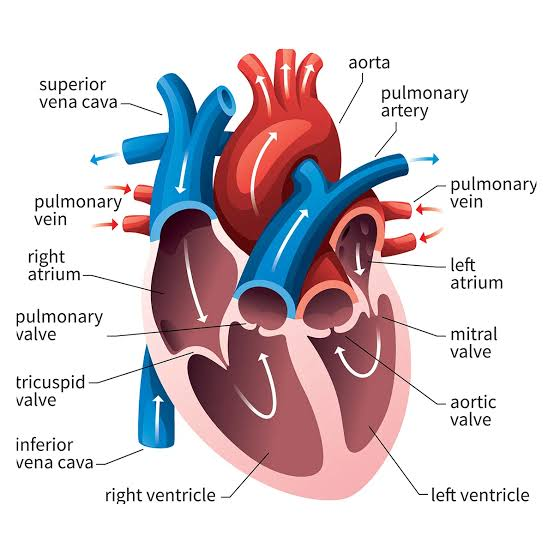
10 Habits for a Healthier Heart
Introduction
Cardiovascular disease remains the leading cause of death worldwide, yet many risk factors are within our control. Adopting heart-healthy habits can significantly reduce your risk of heart attack, stroke, and other cardiovascular conditions. In this article, we present ten evidence-based habits that promote a healthier heart. These habits are practical, sustainable, and backed by scientific research. Whether you are looking to prevent heart disease or manage an existing condition, incorporating these practices into your daily routine can yield substantial benefits.
1. Prioritize a Balanced Diet
A heart-healthy diet is foundational for cardiovascular wellness. Focus on consuming a variety of fruits, vegetables, whole grains, lean proteins, and healthy fats. The Mediterranean diet, rich in olive oil, nuts, fish, and fresh produce, has been extensively studied for its heart-protective effects. Limit processed foods, sugary beverages, and high-sodium items, as these contribute to hypertension and inflammation. Aim to fill half your plate with vegetables and fruits at each meal, and choose whole grains over refined carbohydrates. Small, consistent dietary changes can lead to significant improvements in cholesterol levels and blood pressure.
2. Engage in Regular Physical Activity
Exercise is one of the most effective ways to strengthen your heart. The American Heart Association recommends at least 150 minutes of moderate-intensity aerobic exercise or 75 minutes of vigorous-intensity exercise per week, plus muscle-strengthening activities on two or more days. Activities like brisk walking, swimming, cycling, or dancing can improve circulation, lower blood pressure, and help maintain a healthy weight. Even short bouts of activity, such as taking the stairs instead of the elevator, can add up. Consistency is key—find activities you enjoy and make them part of your routine.
3. Maintain a Healthy Weight
Excess body weight, particularly around the abdomen, increases the risk of heart disease by straining the heart and contributing to conditions like hypertension and diabetes. Achieving and maintaining a healthy weight through diet and exercise can reduce these risks. Even modest weight loss—as little as 5-10% of your body weight—can improve heart health markers. Focus on sustainable lifestyle changes rather than crash diets. Regular monitoring of your weight and waist circumference can help you stay on track.
4. Manage Blood Pressure
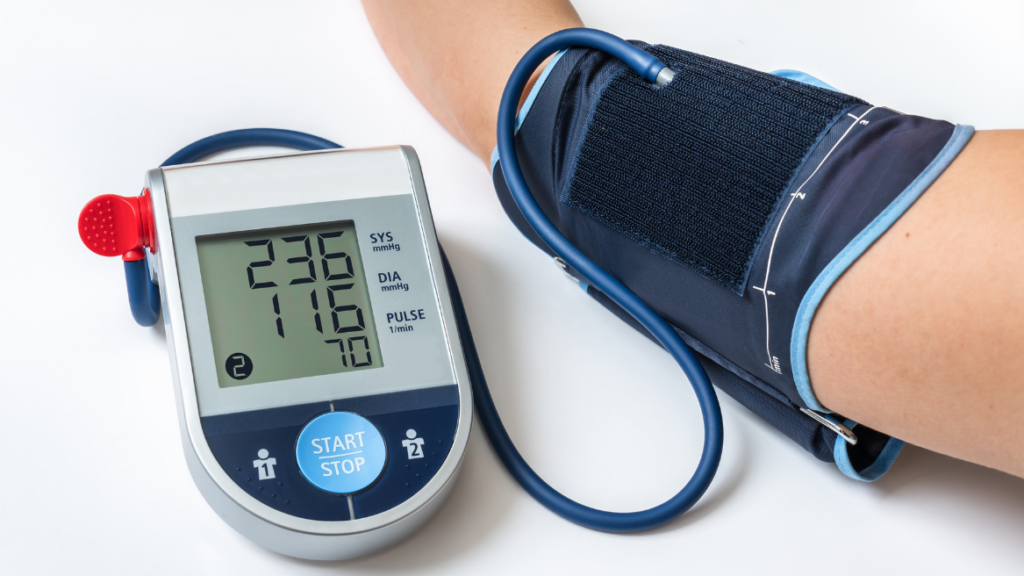
High blood pressure is a silent threat to heart health, often showing no symptoms until significant damage occurs. Regular monitoring is essential, especially if you have a family history of hypertension. Adopt habits that help control blood pressure: reduce sodium intake, increase potassium-rich foods (like bananas and leafy greens), limit alcohol, and manage stress. If prescribed medication, take it consistently. Aim for a blood pressure reading below 120/80 mm Hg, and work with your healthcare provider to establish a plan if your numbers are elevated.
5. Keep Cholesterol Levels in Check
High cholesterol, particularly elevated LDL (bad) cholesterol, contributes to plaque buildup in arteries, increasing the risk of heart attack and stroke. Dietary changes can significantly impact cholesterol levels: reduce saturated and trans fats, increase soluble fiber (found in oats, beans, and apples), and incorporate plant sterols and stanols. Regular exercise also helps improve cholesterol profiles. If lifestyle changes are insufficient, your doctor may recommend medication. Know your numbers and get your cholesterol checked regularly.
6. Quit Smoking and Avoid Secondhand Smoke
Smoking is one of the most significant risk factors for heart disease. The chemicals in tobacco smoke damage blood vessels, raise blood pressure, and reduce oxygen in the blood. Quitting smoking is challenging but immensely beneficial—within a year of quitting, the risk of heart disease drops dramatically. Avoid secondhand smoke as well, as it carries similar risks. Seek support through counseling, nicotine replacement therapy, or support groups to increase your chances of success.
7. Limit Alcohol Consumption
Excessive alcohol intake can raise blood pressure, contribute to weight gain, and increase the risk of heart disease. If you drink, do so in moderation: up to one drink per day for women and up to two drinks per day for men. However, recent research suggests that even light drinking may carry some risks, so reducing intake or abstaining entirely is the safest choice for heart health. Be mindful of the hidden calories and sugars in alcoholic beverages, especially mixed drinks.
8. Get Adequate Sleep
Sleep is often overlooked as a component of heart health, but research shows that poor sleep quality and duration are linked to increased risk of hypertension, obesity, and heart disease. Aim for 7-9 hours of quality sleep per night. Establish a regular sleep schedule, create a relaxing bedtime routine, and minimize screen time before bed. If you suspect sleep disorders like sleep apnea, consult a healthcare provider, as untreated sleep apnea can strain the heart.
9. Manage Stress Effectively
Chronic stress can contribute to heart disease through various mechanisms, including elevated blood pressure, inflammation, and unhealthy coping behaviors like overeating or smoking. Incorporate stress-management techniques into your daily life: practice deep breathing, meditation, yoga, or mindfulness. Engage in hobbies you enjoy, spend time with loved ones, and consider professional counseling if stress becomes overwhelming. Regular physical activity also serves as a powerful stress reliever.
10. Schedule Regular Health Check-ups
Preventive care is crucial for maintaining heart health. Regular check-ups allow your healthcare provider to monitor key indicators such as blood pressure, cholesterol, and blood sugar, and to detect potential issues early. Discuss your family history and lifestyle with your doctor to assess your risk. Stay up to date with recommended screenings, and follow your provider’s advice regarding medications and lifestyle modifications. Early intervention can prevent or delay the onset of cardiovascular disease.
Conclusion
Adopting these ten habits can significantly improve your heart health and overall well-being. Remember that small, consistent changes often lead to the most sustainable results. Start by incorporating one or two habits at a time, and gradually build upon them. Your heart will thank you for it. Always consult with a healthcare professional before making significant changes to your diet or exercise routine, especially if you have existing health conditions.
Provided by HRTD Medical Institute