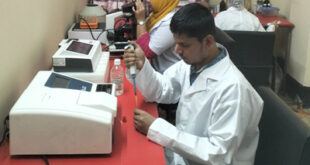
 Pathology Training Institute in Bangladesh Best Pathology Training Institute in Bangladesh

Introduction
In today’s healthcare landscape, accurate and timely diagnosis is the foundation of effective treatment. A reliable diagnostic center not only performs laboratory tests but also ensures precision, safety, and professional integrity. HRTD Limited Diagnostic Center, operating under the esteemed institution HRTD Medical Institute, stands as a symbol of excellence in medical diagnostics in Bangladesh.
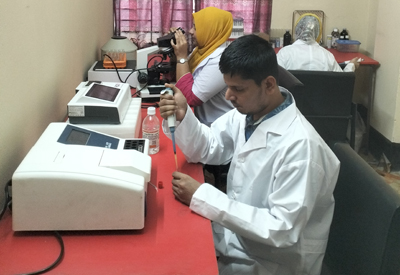
Located at Section-6, Block-Kha, Road-1, Plot-11, Metro Rail Pillar-249, Folpotti Mosque Lane, Mirpur-10, Dhaka-1216, HRTD Limited Diagnostic Center has been serving patients with dedication, modern technology, and experienced professionals. With a strong commitment to quality healthcare services, the center has built a reputation for reliability, affordability, and patient-centered care.
Contact Numbers:
01797522136
01987073965
01784572173
This comprehensive content highlights the mission, vision, services, facilities, technology, quality control, and community impact of HRTD Limited Diagnostic Center.
Vision and Mission
Vision
The vision of HRTD Limited Diagnostic Center is to become one of the most trusted and technologically advanced diagnostic centers in Bangladesh, ensuring high-quality, affordable, and accessible healthcare services for all.
Mission
- To provide accurate and timely diagnostic reports.
- To maintain international standards of laboratory practice.
- To ensure patient satisfaction through ethical service.
- To continuously upgrade technology and professional skills.
- To contribute to the healthcare development of Bangladesh.
About HRTD Medical Institute
HRTD Limited Diagnostic Center operates under HRTD Medical Institute, a respected name in healthcare education and training in Dhaka. The institute is known for producing skilled medical technologists and healthcare professionals who serve across the country.
By integrating education with practical diagnostic services, HRTD Medical Institute ensures that its diagnostic center operates with updated knowledge, professional supervision, and high standards of laboratory management.
Location and Accessibility
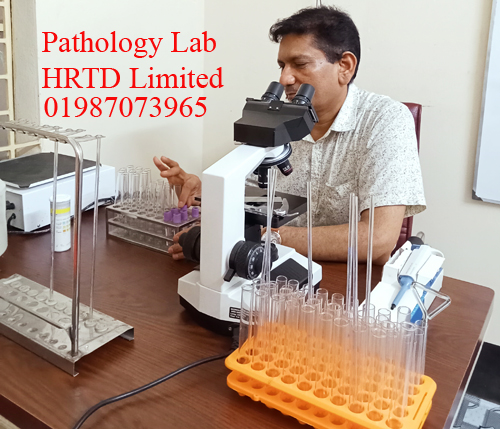
The center is conveniently located in Mirpur-10, Dhaka, near Metro Rail Pillar-249, making it easily accessible for patients from different parts of the city. The strategic location ensures:
- Easy transportation access
- Safe and secure environment
- Comfortable waiting area
- Quick service delivery
The accessible location makes HRTD Limited Diagnostic Center a preferred choice for residents of Mirpur and surrounding areas.
Core Diagnostic Services
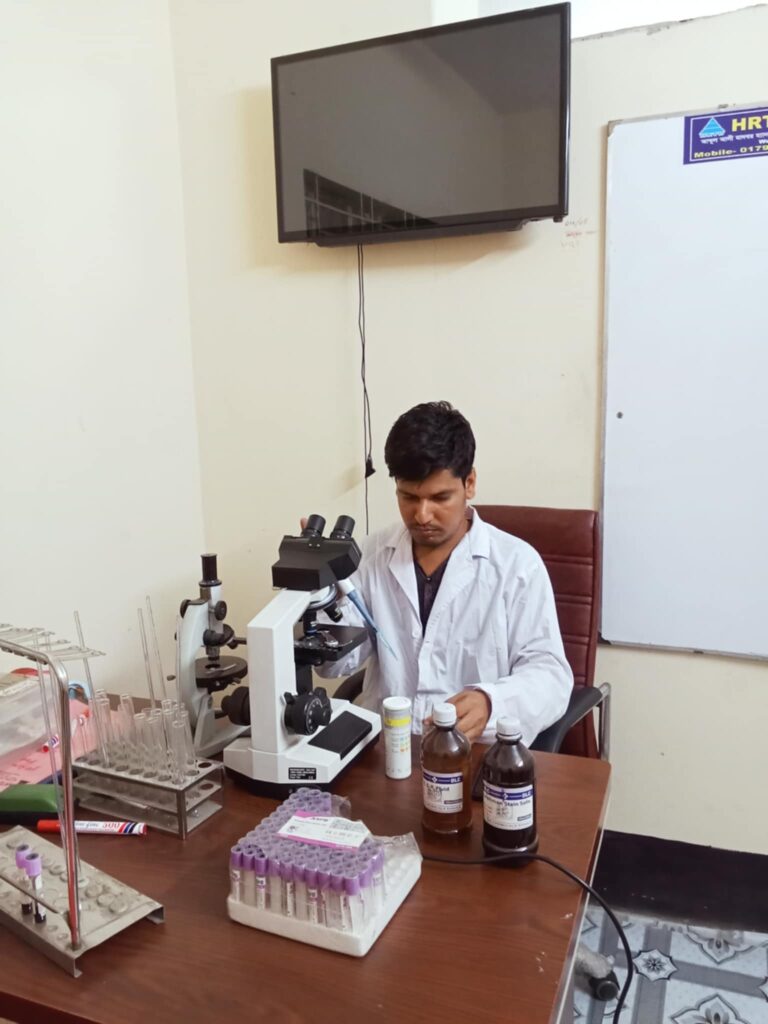
HRTD Limited Diagnostic Center provides a wide range of diagnostic services covering pathology, biochemistry, hematology, microbiology, immunology, and imaging services.
1. Hematology Services
Hematology is one of the most important departments in any diagnostic center. At HRTD Limited Diagnostic Center, advanced hematology analyzers are used to provide accurate results.
Services include:
- Complete Blood Count (CBC)
- ESR (Erythrocyte Sedimentation Rate)
- Peripheral Blood Film
- Blood Grouping & Rh Typing
- Hemoglobin Test
- Platelet Count
- Bleeding Time & Clotting Time
These tests help diagnose anemia, infections, leukemia, bleeding disorders, and many other blood-related conditions.
2. Biochemistry Services
Biochemistry tests help evaluate organ function and metabolic disorders. The center uses automated analyzers to ensure precise results.
Services include:
- Blood Glucose (Fasting & PP)
- HbA1c
- Lipid Profile
- Liver Function Test (LFT)
- Kidney Function Test (KFT)
- Serum Creatinine
- Uric Acid
- Electrolytes
- Total Protein & Albumin
These tests help detect diabetes, liver disease, kidney disorders, and cardiovascular risks.
3. Immunology & Serology
The immunology department plays a crucial role in detecting infections and immune-related conditions.
Services include:
- HBsAg
- Anti-HCV
- HIV Screening
- CRP (C-Reactive Protein)
- RA Factor
- Widal Test
- Dengue NS1
- COVID-19 Related Tests
All tests are conducted with strict biosafety measures and quality control protocols.
4. Microbiology Services
Microbiology testing helps identify bacterial, viral, and fungal infections.
Services include:
- Urine Culture
- Blood Culture
- Stool Culture
- Sputum Culture
- Sensitivity Testing
Accurate culture reports assist doctors in prescribing appropriate antibiotics.
5. Hormone Testing
Hormonal imbalances can lead to various health problems. The center provides reliable hormone testing services such as:
- Thyroid Profile (T3, T4, TSH)
- FSH & LH
- Prolactin
- Testosterone
- Estrogen
- Beta-hCG
These tests are essential for diagnosing thyroid disorders, infertility, and endocrine problems.
6. Imaging Services
In addition to laboratory diagnostics, HRTD Limited Diagnostic Center also provides imaging services including:
- Digital X-Ray
- Ultrasonography (USG)
- ECG
These imaging facilities help doctors assess internal organ conditions accurately.
Advanced Technology and Equipment
HRTD Limited Diagnostic Center invests in modern medical equipment and automated analyzers to ensure accuracy and reliability.
Features include:
- Fully automated biochemistry analyzers
- Advanced hematology analyzers
- High-quality microscopes
- Digital imaging systems
- Computerized report generation
Automation reduces human error and increases the precision of test results.
Quality Control and Assurance
Quality is the backbone of HRTD Limited Diagnostic Center. The center follows strict internal and external quality control measures.
Internal Quality Control (IQC)
Daily calibration and control testing ensure consistent results.
External Quality Assurance (EQA)
Participation in proficiency testing programs ensures accuracy compared to national standards.
Standard Operating Procedures (SOPs)
Each department follows clearly defined SOPs to maintain laboratory discipline and quality.
Skilled and Experienced Team
HRTD Limited Diagnostic Center is managed by experienced pathologists, laboratory technologists, radiologists, and healthcare professionals.
The team ensures:
- Accurate sample collection
- Proper sample handling
- Reliable analysis
- Timely report delivery
- Patient-friendly communication
Continuous training programs keep the staff updated with the latest medical advancements.
Patient-Centered Care
The center prioritizes patient comfort and satisfaction. Services include:
- Comfortable waiting area
- Quick registration process
- Affordable test packages
- Online and SMS report delivery
- Friendly customer service
The goal is to minimize waiting time and provide a smooth healthcare experience.
Affordable and Transparent Pricing
Healthcare should be accessible to everyone. HRTD Limited Diagnostic Center offers competitive pricing without compromising quality.
Special packages are available for:
- Diabetes Screening
- Cardiac Profile
- Full Body Check-up
- Pre-Employment Medical Tests
Transparent pricing ensures trust and reliability.
Infection Control and Safety
Strict hygiene and infection control policies are maintained:
- Use of disposable syringes
- Sterile equipment
- Regular sanitization
- Biomedical waste management
- Biosafety cabinet usage
These measures protect both patients and staff.
Digital Reporting System
The center uses a computerized reporting system that ensures:
- Error-free data entry
- Quick report preparation
- Secure data storage
- Easy access for doctors
Digitalization improves efficiency and reliability.
Community Impact and Social Responsibility
HRTD Limited Diagnostic Center actively participates in community health programs such as:
- Free health camps
- Awareness campaigns
- Diabetes screening programs
- Blood donation drives
The center believes in serving society beyond commercial healthcare services.
Integration with Medical Education
As part of HRTD Medical Institute, the diagnostic center serves as a practical training hub for students.
Benefits include:
- Hands-on laboratory training
- Real patient sample analysis
- Supervised clinical exposure
- Professional skill development
This integration ensures continuous improvement and professional excellence.
Why Choose HRTD Limited Diagnostic Center?
- Accurate and reliable reports
- Modern equipment
- Experienced professionals
- Affordable pricing
- Convenient location
- Fast report delivery
- Strong reputation
- Ethical medical practices
Future Plans and Development
HRTD Limited Diagnostic Center plans to:
- Introduce advanced molecular diagnostics
- Expand imaging facilities
- Implement online appointment systems
- Achieve international accreditation
- Open branches in other areas
The goal is to continuously improve healthcare standards in Bangladesh.
Liver function test
A Liver Function Test (LFT) is a panel of blood tests measuring enzymes, proteins, and substances like ALT, AST, ALP, GGT, bilirubin, and albumin to assess liver health, detect damage or disease (like hepatitis, cirrhosis, or blockages), monitor treatment effectiveness, and check for medication side effects, providing a comprehensive view of how well the liver is working by checking levels of these liver-produced or liver-related chemicals.
What it checks
- Liver Enzymes (ALT, AST, ALP, GGT): Elevated levels often signal liver cell damage or inflammation, with specific patterns suggesting different issues (e.g., GGT helps differentiate liver/bone issues).
- Bilirubin: A yellow pigment; high levels can indicate liver disease or bile duct blockage.
- Albumin & Total Protein: Measures the liver’s ability to produce proteins crucial for bodily functions.
- Prothrombin Time (PT/INR): Checks how quickly blood clots, as the liver produces clotting factors; prolonged time suggests impaired function.
Why it’s done
- Screening: To check for liver disease in at-risk individuals (heavy drinkers, obese, diabetic).
- Diagnosis: To find the cause of symptoms like jaundice, abdominal pain, or fatigue.
- Monitoring: To track the progression of liver disease or treatment response.
- Medication Safety: To ensure certain drugs aren’t harming the liver.
Pathology Course in Mirpur 01797522136
kidney function test
A kidney function test (KFT) uses blood and urine tests to check how well your kidneys filter waste, balancing fluids and minerals. Key blood tests measure waste products like Creatinine (used to calculate eGFR), Blood Urea Nitrogen (BUN), and electrolytes, while urine tests look for protein or glucose. These help diagnose kidney disease, monitor existing conditions (like diabetes/high BP), or check medication effects, with imaging (ultrasound) or biopsy used for deeper investigation.
Common Blood Tests
- Creatinine: A waste product from muscle breakdown; high levels suggest poor filtering.
- eGFR (Estimated Glomerular Filtration Rate): Calculated from creatinine, age, sex, etc., showing overall kidney filtering efficiency (higher is better).
- BUN (Blood Urea Nitrogen): Measures urea, another waste product; elevated levels can signal kidney issues.
- Electrolytes: Sodium, potassium, chloride, bicarbonate levels help check fluid balance.
Common Urine Tests
- Urinalysis: Checks for protein (albumin), glucose, blood, and other signs of damage.
- Albumin-to-Creatinine Ratio (ACR): Detects small amounts of albumin, an early sign of damage.
Pathology Course in Mirpur 01797522136
Lipid profile
A lipid profile is a blood test that measures fats (lipids) in your blood, including total cholesterol, “good” HDL, “bad” LDL, VLDL, and triglycerides, to assess your risk of cardiovascular disease (heart attack, stroke) by checking for plaque buildup in arteries. It helps doctors monitor heart health, guide lifestyle changes, and manage conditions like high cholesterol, often requiring a 9-12 hour fast beforehand for accurate results.
Key components measured:
- Total Cholesterol: All cholesterol in your blood.
- LDL (Low-Density Lipoprotein): “Bad” cholesterol that can clog arteries.
- HDL (High-Density Lipoprotein): “Good” cholesterol that removes LDL from your body.
- Triglycerides: A type of fat from food, used for energy; high levels increase heart risk.
- VLDL (Very Low-Density Lipoprotein): Transports triglycerides and can also build up in vessels.
Purpose of the test:
- Assess Risk: Determine your risk for heart disease, stroke, and atherosclerosis (plaque buildup).
- Monitor Treatment: Check if diets or medications are effectively lowering cholesterol.
- Screening: Often done during routine physicals to catch issues early, as high lipids often have no symptoms.
Urine R/E
“Urine re” usually refers to a Urine Routine Examination (RE), also called Urinalysis, a common test checking urine’s appearance, concentration, and content (physical, chemical, microscopic) for UTIs, kidney/liver disease, diabetes, or general health, often paired with a CS (Culture & Sensitivity) for infection-causing microbes. It involves checking color, pH, specific gravity, and looking for cells, bacteria, or crystals, helping diagnose issues like kidney stones, infections, or metabolic disorders.
What it checks (RE/ME)
- Routine Examination (RE): Physical & Chemical aspects (Color, clarity, pH, protein, glucose, etc.).
- Microscopic Examination (ME): Microscopic view for Red/White Blood Cells, bacteria, crystals, casts.
- Culture & Sensitivity (CS): Grows bacteria to identify the specific microbe and best antibiotic.
Why it’s done
- Routine check-ups: General health screening.
- Symptom investigation: Painful urination, blood in urine, abdominal/back pain.
- Diagnosis: Kidney disease, diabetes, liver disease, UTIs, kidney stones.
- Monitoring: Tracking disease progression or pre-surgery.
How to give a sample (Mid-Stream Urine – MSU)
- Wash genitals thoroughly.
- Start urinating into the toilet.
- Collect 10-20 ml of the mid-stream (middle part) urine in a sterile container.
- Send to the lab quickly or refrigerate for a short time.
Bleeding time
Bleeding time (BT) is a medical test measuring how long it takes for a small skin cut to stop bleeding, assessing primary hemostasis (platelet plug formation) and vessel function, with normal times generally 3-10 minutes, though it’s less common now due to poor specificity. Prolonged times suggest platelet issues (like low count or poor function), vascular problems, or certain meds (aspirin) and can indicate conditions like thrombocytopenia, Von Willebrand disease, or liver disease, while shortened times usually aren’t significant.
How it’s Performed (Ivy Method Example)
- A blood pressure cuff is inflated on the upper arm to maintain steady pressure.
- Two small, shallow cuts are made on the forearm.
- The cuff is deflated.
- Filter paper blotted to the cuts every 30 seconds until bleeding stops.
- The total time is recorded.
What it Shows
- Normal: 3 to 10 minutes (varies by method).
- Prolonged: Suggests issues with platelet function, platelet count (e.g., thrombocytopenia), blood vessel integrity, or medications like aspirin.
- Conditions: Can point to von Willebrand disease, liver disease, or certain blood disorders.
Blood glucose
Blood glucose, or blood sugar, is the main sugar in your blood, your body’s primary energy source from food (especially carbs). It’s regulated by insulin, a hormone that moves glucose into cells; imbalances can signal diabetes (high levels) or hypoglycemia (low levels). Monitoring these levels, often with a meter, helps manage conditions like diabetes and prevents long-term complications by keeping levels in a target range (e.g., fasting <100 mg/dL, 2 hrs post-meal <180 mg/dL).
What it is
- Energy Source: Glucose is your cells’ main fuel, carried in the bloodstream from the food you eat (fruits, bread, pasta).
- Hormonal Control: Insulin (from the pancreas) helps cells absorb glucose; glucagon releases stored glucose when levels are low.
Why it matters
- Diabetes: High blood sugar (hyperglycemia) occurs when the body doesn’t produce enough insulin or use it effectively, leading to diabetes.
- Complications: Consistently high glucose damages blood vessels and nerves, increasing risks for heart disease, kidney issues, and eye problems.
Normal vs. High Levels (General Guidelines)
- Fasting (no food for 8+ hrs): Under 100 mg/dL (5.6 mmol/L) is normal; 100-125 mg/dL is prediabetes; 126 mg/dL+ is diabetes, says the National Institute of Diabetes and Digestive and Kidney Diseases (NIDDK).
- 2 Hours After a Meal: Under 180 mg/dL (10 mmol/L) is a typical target for people with diabetes, notes MedlinePlus.
Total protein
Total protein refers to the overall amount of protein in your blood, a key indicator of health measured by a blood test, combining two main types: albumin (for fluid balance, transport) and globulins (for immune function, transport). Levels help diagnose liver, kidney issues, or malnutrition, indicating if your body makes too much or too little, with abnormal levels often needing further tests like the A/G ratio.
What it measures
- Albumin: The most abundant protein, preventing fluid leaks from vessels and carrying hormones, vitamins, and fats.
- Globulins: A group including antibodies (gamma globulins) for immunity, plus alpha and beta globulins for transport.
Why it’s tested
- To check liver and kidney function.
- To help diagnose malnutrition or nutritional deficiencies.
- To investigate symptoms like swelling, fatigue, or frequent infections.
- To monitor chronic diseases.
ESR
ESR usually stands for Erythrocyte Sedimentation Rate, a common blood test measuring how fast red blood cells (erythrocytes) settle in a tube, indicating inflammation in the body, often from infections, autoimmune issues, or other conditions. Faster settling (higher ESR) means more inflammation, as cells clump together and get heavier; it helps monitor disease but doesn’t diagnose a specific cause. ESR also refers to the European Society of Radiology, a professional organization for medical imaging.
Erythrocyte Sedimentation Rate (Blood Test)
- What it is: A test measuring how quickly red blood cells (RBCs) fall to the bottom of a test tube.
- How it works: Inflammation causes proteins to make RBCs clump, making them heavier and sink faster.
- What it shows: A high ESR signals inflammation, but it’s non-specific, meaning it doesn’t pinpoint the exact disease.
- When it’s used: To detect inflammation from infections, autoimmune diseases (like lupus, rheumatoid arthritis), and cancers, and to monitor chronic conditions.
Serum Bilirubin
Serum bilirubin is a blood test measuring a yellow pigment from red blood cell breakdown, crucial for checking liver function, diagnosing jaundice, bile duct issues, or blood disorders like hemolytic anemia, with levels indicating how well the liver processes bilirubin, as high levels can signal disease but also have protective antioxidant roles. The test measures total bilirubin (direct + indirect) and helps doctors see if your liver is healthy or struggling, often alongside other liver tests.
What it is
- Bilirubin: A yellowish substance produced when old red blood cells break down.
- Liver’s Role: A healthy liver processes bilirubin for excretion in bile, but if the liver’s struggling or blocked, bilirubin builds up in the blood.
Why the test is done
- Diagnose Jaundice: Yellow skin/eyes.
- Check Liver Health: Signs of hepatitis, cirrhosis, or drug damage.
- Find Bile Duct Blockages: From gallstones or tumors.
- Monitor Blood Disorders: Conditions where red blood cells break down too fast (like hemolytic anemia).
- Newborn Jaundice: To see if newborns need treatment (phototherapy).
Types of Bilirubin Measured
- Total Bilirubin: Sum of direct and indirect.
- Indirect (Unconjugated): Bilirubin before it’s processed by the liver.
- Direct (Conjugated): Bilirubin after it’s processed by the liver.
What high levels can mean (Hyperbilirubinemia)
- Liver disease (hepatitis, cirrhosis).
- Bile duct obstruction.
- Excessive red blood cell destruction (hemolysis).
What low levels can mean (Hypobilirubinemia)
- Often not a problem; possibly caffeine or certain medications.
- May be linked to some autoimmune diseases or better cardiovascular health.
Normal Ranges (Adults)
- Total: Roughly 0.1 to 1.2 mg/dL (varies by lab).
- Direct: Around 0.1 to 0.3 mg/dL.
- Indirect: Around 0.2 to 0.8 mg/dL.
Thyroid function test
A thyroid function test (TFT) is a blood test checking Thyroid-Stimulating Hormone (TSH), T4 (thyroxine), and sometimes T3 (triiodothyronine) levels to see how well your thyroid gland in your neck is working, helping diagnose conditions like hypothyroidism (underactive) or hyperthyroidism (overactive), or to monitor treatment. The TSH test is usually first, with high TSH often signaling an underactive thyroid and low TSH an overactive one, but T4 and T3 levels confirm the diagnosis.
Key Tests Included in a Thyroid Panel:
- TSH (Thyroid-Stimulating Hormone): The most common first test, measuring the hormone from the pituitary gland that tells the thyroid to produce hormones. High TSH means the thyroid isn’t making enough (underactive); low TSH means it’s overproducing (overactive).
- Free T4 (Free Thyroxine): Measures the main thyroid hormone circulating in your blood, showing how much the gland is actively producing.
- Free T3 (Free Triiodothyronine): Measures the active form of thyroid hormone; often checked if hyperthyroidism is suspected.
Why It’s Done:
- To diagnose thyroid disorders (hypo/hyperthyroidism).
- To monitor treatment, like hormone replacement therapy.
- To investigate symptoms like fatigue, weight changes, mood swings, or changes in heart rate.
What to Expect:
- A simple blood draw from a vein in your arm.
How Results Are Interpreted (General Guide):
- Hypothyroidism (Underactive): High TSH, Low Free T4/T3.
- Hyperthyroidism (Overactive): Low TSH, High Free T4/T3.
- Subclinical Hypothyroidism: High TSH, but normal T4/T3 levels.
Vitamin D
Vitamin D, often called the “sunshine vitamin,” is a fat-soluble nutrient crucial for calcium absorption, strong bones, muscle function, and immune health, produced by skin exposure to sunlight but also obtained from fatty fish, fortified foods, and supplements. Deficiency can lead to bone diseases like rickets (children) or osteomalacia (adults), so many people, especially in winter or with low sun exposure, need supplements, while some foods (milk, cereals) are fortified, and sunlight remains a key source.
Key Functions
- Bone Health: Helps absorb calcium and phosphorus for building and maintaining strong bones and teeth, preventing rickets and osteoporosis.
- Immune Support: Supports the immune system to fight infections.
- Muscle & Nerve Function: Essential for muscle movement and nerve communication.
Sources
- Sunlight: Skin produces Vitamin D3 when exposed to UVB rays, but this varies by season, location, skin type, and time of day.
- Foods: Fatty fish (salmon, mackerel), egg yolks, red meat, liver, and fortified foods like milk, cereals, and plant-based milks.
- Supplements: Available as D2 (ergocalciferol) and D3 (cholecalciferol).
Deficiency & Risk Factors
- Risks: People with dark skin, older adults, those with low sun exposure (due to work, location, clothing), and certain medical conditions.
- Symptoms: Bone pain, weak bones.
Prolactin hormone
Prolactin is a hormone from the pituitary gland essential for breast development and milk production (lactation) in women, but it affects many body functions in both sexes, including reproduction and metabolism. Levels naturally rise during pregnancy, but high levels (hyperprolactinemia) can cause irregular periods, infertility, low libido, erectile dysfunction, and unexpected milk production (galactorrhea). Causes of high prolactin include pituitary tumors (prolactinomas), hypothyroidism, stress, certain medications, and kidney/liver disease, with dopamine (a neurotransmitter) usually inhibiting its release.
Key Functions
- Lactation: Stimulates milk production in new mothers.
- Reproduction: Affects ovarian function in women and testicular function in men, influencing fertility and sexual function.
- Other Roles: Involved in metabolism, immune system regulation, and other bodily processes.
Causes of High Prolactin (Hyperprolactinemia)
- Pituitary Tumors: Benign tumors called prolactinomas.
- Medical Conditions: Hypothyroidism, kidney or liver disease, chest injuries, shingles.
- Medications: Antidepressants, antipsychotics, blood pressure drugs, opioids.
- Physiological: Stress, sleep, exercise, nipple stimulation, eating.
Symptoms of High Prolactin
- In Women: Irregular or absent periods, infertility, low libido, breast milk production outside of pregnancy.
- In Men: Low libido, erectile dysfunction, infertility, breast enlargement (rare).
- In Both: Galactorrhea (milky nipple discharge).
Regulation & Treatment
- Inhibition: Dopamine from the hypothalamus usually keeps prolactin levels low.
- Stimulation: Hormones like estrogen and TRH, as well as stress, can increase levels.
- Treatment: Often involves medications (like bromocriptine) to lower levels, especially for prolactinomas, or addressing underlying causes like hypothyroidism.
Conclusion
HRTD Limited Diagnostic Center, under the leadership of HRTD Medical Institute, stands as a reliable and modern healthcare diagnostic facility in Dhaka. With advanced technology, experienced professionals, strict quality control, and patient-centered care, the center ensures accurate medical diagnosis and trustworthy services.
Located in Mirpur-10, Dhaka, the center continues to serve patients with dedication, affordability, and excellence. By combining medical education with diagnostic practice, HRTD Limited Diagnostic Center contributes significantly to the healthcare system of Bangladesh.
For reliable diagnostic services, professional care, and accurate reports, HRTD Limited Diagnostic Center remains a trusted choice for patients and healthcare providers alike.
Address:
HRTD Medical Institute
Section-6, Block-Kha, Road-1, Plot-11
Metro Rail Pillar-249
Folpotti Mosque Lane
Mirpur-10, Dhaka-1216
Contact:
01797522136
01987073965
01784572173