 Pathology Training Institute in Bangladesh Best Pathology Training Institute in Bangladesh

Meta Description of Free Thyroxine Test
Learn everything about the FT4 test (Free Thyroxine test), including its purpose, procedure, normal values, interpretation, and clinical significance. A complete guide by HRTD Medical Institute.
Introduction to the Free Thyroxine Test
The FT4 test (Free Thyroxine Test) is one of the most essential diagnostic tools used to evaluate thyroid function. The thyroid gland plays a vital role in regulating metabolism, energy production, and overall hormonal balance in the human body. Any imbalance in thyroid hormones can lead to serious health issues, making early diagnosis crucial.
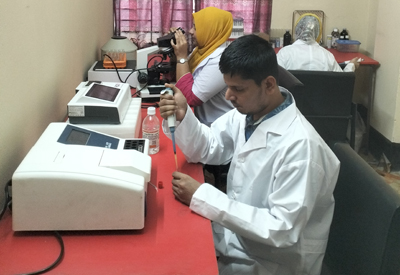
At HRTD Medical Institute, we emphasize the importance of understanding diagnostic tests like FT4 for both students and healthcare professionals. This article provides a complete, in-depth explanation of the Free Thyroxine Test , its clinical applications, and interpretation.
What is FT4 (Free Thyroxine)?
FT4 refers to Free Thyroxine, a hormone produced by the thyroid gland. Thyroxine (T4) exists in two forms in the bloodstream:
- Bound T4 – Attached to proteins
- Free T4 (FT4) – Unbound and biologically active
Only free T4 can enter body tissues and exert metabolic effects. Therefore, measuring FT4 gives a more accurate picture of thyroid function than total T4.
Role of Thyroxine in the Body
Thyroxine plays a critical role in:
- Regulating metabolism
- Controlling body temperature
- Supporting brain development
- Maintaining heart rate
- Influencing digestion
- Supporting bone health
An imbalance in FT4 levels can lead to hypothyroidism or hyperthyroidism, both of which require medical attention.
Why is the Free Thyroxine Test Important?
The Free Thyroxine Test is used to:
1. Diagnose Thyroid Disorders
- Hypothyroidism (underactive thyroid)
- Hyperthyroidism (overactive thyroid)
2. Monitor Thyroid Treatment
- Evaluate effectiveness of medications
- Adjust hormone therapy dosage
3. Investigate Symptoms
Doctors may recommend Free Thyroxine Test if a patient shows symptoms like:
Hypothyroidism Symptoms:
- Fatigue
- Weight gain
- Cold intolerance
- Depression
- Dry skin
Hyperthyroidism Symptoms:
- Weight loss
- Rapid heartbeat
- Anxiety
- Sweating
- Tremors
Free Thyroxine Test vs Other Thyroid Tests
The Free Thyroxine Test is often used alongside:
TSH (Thyroid Stimulating Hormone)
Thyroid-stimulating hormone (TSH), or thyrotropin, is produced by the pituitary gland to regulate the thyroid’s production of hormones which manage metabolism. A TSH blood test is the primary tool for evaluating thyroid function, with normal adult levels usually between 0.45 – 4.5 mIU/L. High TSH typically indicates underactive thyroid (hypothyroidism), while low TSH suggests overactive thyroid (hyperthyroidism).
Key Aspects of TSH Testing and Interpretation
- Function: TSH acts as a “gas pedal,” telling the thyroid to make more hormone when levels are low, and decreasing production when levels are high.
- High TSH (Hypothyroidism): Indicates the pituitary is producing more TSH to stimulate an underperforming thyroid gland.
- Low TSH (Hyperthyroidism): Indicates the pituitary is reducing TSH because the thyroid is overactive and producing excessive hormone.
- Test Purpose: Used to diagnose thyroid disorders, check for thyroid dysfunction, and monitor medication doses for known conditions.
- Normal Levels: While ranges vary, a common healthy range is 0.45 – 4.5 mIU/L.
- Pregnancy: Normal TSH levels are often lower during the first trimester (0.1 – 2.5 mIU/L).
- Test Procedure: Requires a blood sample from a vein, typically in the inner elbow.
Common Causes for Abnormal Results
- High TSH: Hashimoto’s disease, underactive thyroid.
- Low TSH: Graves’ disease, thyroid nodules.
T3 (Triiodothyronine)
Triiodothyronine (T3) is a vital thyroid hormone that controls metabolism, heart rate, body temperature, and growth. Produced primarily by converting T4 into T3 in tissues, it is the most active form of thyroid hormone. T3 tests (free or total) diagnose thyroid dysfunction, such as hyperthyroidism (high T3) or hypothyroidism (low T3).
Key Aspects of T3 (Triiodothyronine):
- Function: T3 affects nearly every physiological process, regulating how the body uses energy, affecting weight, mood, and body temperature.
- Production: The thyroid gland produces roughly 20% of the body’s T3, while 80% is produced through the conversion of
(thyroxine) to
in organs like the liver and pituitary gland.
- Active vs. Bound: Free T3 (FT3) is the active form that enters tissues, while bound T3 is attached to proteins. Most T3 in the blood is bound.
- T3 Tests:
- Total T3: Measures both bound and free forms.
- Free T3: Measures only the active, unbound hormone.
- Purpose: Primarily used to diagnose hyperthyroidism when T4 is normal but T3 is elevated (T3 toxicosis) or to evaluate hypothyroidism.
- Normal Levels: For adults (18–99 years), normal total T3 levels generally fall between 79–165 ng/dL, though ranges may vary slightly by laboratory.
- Abnormal Symptoms:
- High T3 (Hyperthyroidism): Rapid heart rate, unexplained weight loss, trembling, sweating, and anxiety.
- Low T3 (Hypothyroidism): Fatigue, weight gain, dry skin, and feeling cold.
- Factors Affecting Levels: Medications like oral contraceptives can increase T3, while steroids or anticonvulsants (phenytoin) may decrease it.
When a T3 Test is Ordered
Doctors typically order this test if a patient shows symptoms of hyperthyroidism (fast heart rate, anxiety) or if TSH and T4 levels suggest thyroid dysfunction.
Comparison Table
| Test | Measures | Importance |
|---|---|---|
| TSH | Pituitary hormone | First-line screening |
| FT4 | Active thyroid hormone | Confirms diagnosis |
| T3 | Active hormone | Used in hyperthyroidism |
When is an Free Thyroxine Test Recommended?
Doctors may recommend this test in the following situations:
- Abnormal TSH levels
- Suspected thyroid disease
- Pregnancy monitoring
- Pituitary gland disorders
- Follow-up for thyroid treatment
At HRTD Medical Institute, students are trained to understand clinical indications and correlate lab findings with patient symptoms.
Free Thyroxine Test Procedure
The FT4 test is a simple blood test.
Steps Involved:
- A healthcare professional cleans the skin
- A needle is inserted into a vein
- Blood sample is collected
- Sample is sent to the laboratory
- Results are analyzed
Preparation:
- No fasting required
- Inform doctor about medications
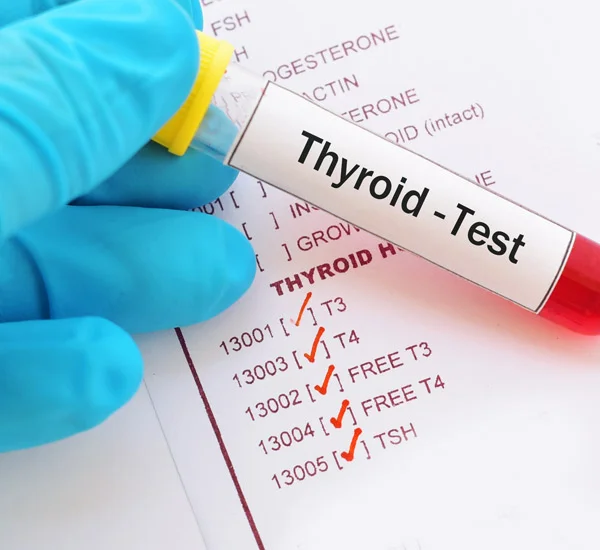
Normal Range of Free Thyroxine Test
The normal FT4 range may vary slightly depending on the laboratory, but typically:
- 0.8 – 1.8 ng/dL (nanograms per deciliter)
Interpretation:
| FT4 Level | Condition |
|---|---|
| Low | Hypothyroidism |
| Normal | Healthy thyroid function |
| High | Hyperthyroidism |
Clinical Interpretation of FT4 Results
1. Low FT4 Levels
Causes:
- Hypothyroidism
- Hashimoto’s thyroiditis
- Pituitary disorders
- Iodine deficiency
Symptoms:
- Fatigue
- Weight gain
- Hair loss
- Slow heart rate
2. High FT4 Levels
Causes:
- Hyperthyroidism
- Graves’ disease
- Thyroiditis
- Excess thyroid medication
Symptoms:
- Weight loss
- Rapid heartbeat
- Nervousness
- Sweating
3. Normal FT4 with Abnormal TSH
This may indicate:
- Subclinical thyroid disease
- Early-stage thyroid disorder
Factors Affecting FT4 Levels
Several factors can influence FT4 results:
Medications
- Steroids
- Birth control pills
- Thyroid drugs
Medical Conditions
Liver disease
Liver disease involves damage to the liver from infections (hepatitis), alcohol, obesity (fatty liver), or immune system issues, leading to inflammation and potential scarring (cirrhosis). Symptoms include fatigue, yellow skin (jaundice), abdominal swelling, and dark urine. It can lead to liver failure if not treated via lifestyle changes or medication.
Key Aspects of Liver Disease:
- Types: Major types include fatty liver disease (MASLD/NAFLD), alcohol-related liver disease, viral hepatitis (A, B, C), autoimmune diseases, and metabolic disorders like hemochromatosis.
- Symptoms: Initial stages often have no symptoms, but progressive damage (cirrhosis) shows as abdominal pain, swelling in legs, nausea, easy bruising, and fatigue.
- Causes: Major causes include heavy alcohol use, metabolic syndrome (obesity, high blood pressure), viral infections, toxic damage from medicines or chemical exposure, and genetic conditions.
- Progression: Untreated conditions can advance from inflammation to fibrous scarring (cirrhosis), and finally to liver failure or liver cancer.
- Treatments: Management includes quitting alcohol, dietary changes for weight loss, antiviral medications, and in severe cases, a liver transplant.
Common Signs of Damage:
- Jaundice: Yellowing of the skin and eyes.
- Ascites: Swelling in the abdomen and legs.
- Skin issues: Intense itching or spider-like veins (spider nevi).
- Brain impacts: Confusion or memory issues (hepatic encephalopathy).
Kidney disorders
Kidney disorders involve damage where kidneys cannot properly filter waste and fluids, often caused by diabetes, high blood pressure, or infections. Early signs include fatigue, foamy urine, swelling, and itchy skin, often managed by lifestyle changes, medication, and dialysis or transplant for failure.
Major Kidney Disorders and Types
- Chronic Kidney Disease (CKD): Long-term, progressive loss of kidney function.
- Acute Kidney Injury (AKI): Sudden episode of kidney failure or damage.
- Glomerulonephritis: Inflammation of the kidney’s filtering units (glomeruli).
- Polycystic Kidney Disease (PKD): A genetic disorder causing numerous fluid-filled cysts.
- Kidney Stones and Infections: Common, often treatable problems that can cause severe pain and damage if not treated.
Common Causes and Risk Factors
- Diabetes: The leading cause of kidney failure.
- High Blood Pressure (Hypertension): Damages blood vessels, preventing proper filtration.
- Genetic Factors: Inherited conditions like Alport syndrome.
- Medication Misuse: Regular, excessive use of NSAIDs like ibuprofen. Kidney Fund +4
Symptoms and Early Warning Signs
Kidney disease often has no symptoms in early stages. Later stages may involve:
- Fatigue and weakness.
- Swelling in feet, ankles, or eyes (edema).
- Persistent itching (pruritus).
- Nausea, vomiting, or loss of appetite.
- Increased or decreased urination.
- Muscle cramps.
Stages of Kidney Disease
CKD is measured in five stages, ranging from mild dysfunction (Stage 1) to end-stage renal disease
- Stage 1-3: Early to moderate damage.
- Stage 4: Severe reduction in kidney function.
- Stage 5: Kidney failure, requiring dialysis or a transplant to survive.
Treatments
While chronic kidney disease is generally not curable, it can be managed.
- Lifestyle changes: Controlling blood sugar and blood pressure, low-salt diets, and stopping smoking.
- Medication: To control blood pressure, reduce cholesterol, and manage anemia.
- Dialysis: A machine that filters blood.
- Kidney Transplant:
Pregnancy
Pregnancy is the gestation of a fetus within the uterus, typically lasting about 40 weeks (divided into three trimesters) from the last menstrual period to birth. Early signs include a missed period, nausea, fatigue, and tender breasts. The process involves significant hormonal and physical changes for the mother.
Stages of Pregnancy
(Trimesters)
- First Trimester (Weeks 1-12): Conception, implantation, and early development. The heart begins to pulse, and limbs appear.
- Second Trimester (Weeks 13-28): Rapid growth, the fetus becomes more active, and fine hair (lanugo) appears.
- Third Trimester (Weeks 29-40): The fetus gains weight, lungs mature, and the body prepares for birth.
Office on Women’s Health (.gov) +3
Early Signs and Symptoms
- Missed Period: Often the first indicator.
- Nausea/Vomiting: Known as “morning sickness,” though it can occur anytime.
- Fatigue: Extreme tiredness due to high progesterone levels.
- Breast Changes: Tenderness, enlargement, or tingling.
- Frequent Urination: Increased blood flow and kidney activity.
- Heightened Sense of Smell and Mood Swings: Common due to hormonal shifts.
Types of Pregnancy
- Single: A single fetus developing in the uterus.
- Multiple: Two or more offspring (e.g., twins).
- Ectopic (Unhealthy/Dangerous): The fertilized egg implants outside the uterus.
Emotional Changes
Pregnancy can lead to a wide range of emotions, including joy, anxiety, mood swings, and fatigue, largely driven by hormonal shifts and the anticipation of lifestyle changes
Laboratory Variations
Different labs may use different reference ranges.
Free Thyroxine Test in Pregnancy
During pregnancy, thyroid hormones play a crucial role in fetal development.
Importance:
- Supports brain development of the fetus
- Prevents complications
Pregnant women often require regular FT4 monitoring.
Free Thyroxine Test in Children
In children, thyroid hormones are essential for:
- Growth
- Brain development
- Metabolism
Early detection of abnormalities can prevent developmental delays.
Free Thyroxine Test and Thyroid Disorders
1. Hypothyroidism
A condition where the thyroid produces insufficient hormones.
Hypothyroidism is a common condition where the thyroid gland fails to produce enough hormones, causing metabolism to slow down. Symptoms include fatigue, weight gain, depression, cold intolerance, and dry skin. It is usually caused by Hashimoto’s disease, an autoimmune disorder, and treated with daily hormone medication (levothyroxine).
Symptoms of Hypothyroidism
Symptoms often develop slowly and can be vague, often dismissed as normal fatigue. Key indicators include:
- Fatigue and Sluggishness: Chronic tiredness.
- Weight Gain: Unexplained weight gain.
- Cold Intolerance: Inability to tolerate cold temperatures.
- Dry Skin and Hair: Dry, coarse skin and brittle or thinning hair.
- Mental Changes: Depression, anxiety, and “brain fog”.
- Physical Changes: Hoarseness, constipation, muscle weakness, and joint pain.
- Menstrual Changes: Heavier or irregular periods.
Causes of Hypothyroidism
- Hashimoto’s Disease: An autoimmune disorder where the immune system attacks the thyroid, the most common cause.
- Thyroiditis: Inflammation of the thyroid gland.
- Surgical Removal: Removal of part or all of the thyroid gland.
- Radiation Therapy: Treatments targeting the thyroid.
- Iodine Deficiency: A lack of iodine in the diet (rare in developed countries).
- Congenital: Present at birth.
Risk Factors
- Gender: Women are more likely to develop it than men.
- Age: People over 60, though it can occur at any age.
- Autoimmune History: Having other autoimmune diseases.
- Family History: A history of thyroid disease.
Diagnosis and Treatment
- Diagnosis: Doctors use blood tests, such as the Thyroid Stimulating Hormone (TSH) test, to measure hormone levels.
- Treatment: Lifelong treatment with daily thyroid hormone replacement medication, usually levothyroxine, which restores hormone levels to a normal range.
Prognosis and Complications
- Prognosis: With consistent treatment (levothyroxine), most people can manage the condition and live a normal life.
- Complications: Untreated severe hypothyroidism can lead to myxedema coma, a rare but life-threatening condition. Other risks include high cholesterol, heart problems, and issues with pregnancy (like miscarriage).
Diagnosis:
- Low FT4
- High TSH
2. Hyperthyroidism
A condition where excess thyroid hormone is produced.
Hyperthyroidism is an overactive thyroid condition where the gland produces excessive thyroid hormone, accelerating the body’s metabolism. Key symptoms include rapid weight loss, increased heart rate, nervousness, tremors, and heat intolerance. Common causes include Graves’ disease (most common), toxic nodules, or thyroiditis. Treatment includes medication, radioactive iodine, or surgery, usually resulting in a positive prognosis.
Symptoms of Hyperthyroidism
Hyperthyroidism causes many bodily functions to speed up, leading to a variety of symptoms:
- Heart/Metabolism: Rapid or irregular heartbeat (palpitations), increased appetite, and weight loss despite eating more.
- Nervous System: Nervousness, anxiety, irritability, and fine tremors in hands/fingers.
- Physical Changes: Sweating, heat sensitivity, thinning skin, brittle hair, and frequent bowel movements.
- Physical Appearance: An enlarged thyroid gland (goiter) or eye issues, such as swelling or bulging (Graves’ ophthalmopathy).
- Other: Fatigue, muscle weakness, sleep issues, and changes in menstrual cycles.
Causes of Hyperthyroidism
- Graves’ Disease: The most common cause, this is an immune system disorder where antibodies stimulate the thyroid to produce too much hormone.
- Hyperfunctioning Thyroid Nodules (Toxic Adenoma/Toxic Multinodular Goiter): Nodules within the gland start producing thyroid hormone on their own, independent of the body’s needs.
- Thyroiditis: Inflammation of the thyroid causes the gland to release stored hormones, often resulting in temporary hyperthyroidism.
- Excess Iodine Intake: Consuming too much iodine can cause the thyroid to produce excess hormone.
Risk Factors
- Gender: Women are more likely to develop the condition.
- Age: People older than 60 have a higher risk.
- History: A personal or family history of thyroid diseases or autoimmune disorders.
- Pregnancy: Recent pregnancy can trigger specific types of thyroiditis. Institutes of Health
Complications
If left untreated, hyperthyroidism can lead to severe issues:
- Heart Problems: Rapid heart rate, atrial fibrillation (an arrhythmia), and heart failure.
- Bone Health: Brittle bones (osteoporosis).
- Eye Issues: Graves’ ophthalmopathy causes eye irritation, redness, and bulging eyes.
- Thyroid Storm: A rare, sudden, and life-threatening intensification of symptoms.
Prognosis
With proper treatment (including antithyroid medications, radioactive iodine, or surgery), the prognosis for hyperthyroidism is excellent. However, treatments often cause the thyroid to become underactive (hypothyroidism), which requires long-term hormone replacement therapy.
Diagnosis:
- High FT4
- Low TSH
3. Thyroiditis
Inflammation of the thyroid gland that can cause temporary hormone imbalance.
Thyroiditis is inflammation of the thyroid gland, often caused by autoimmune attacks (Hashimoto’s), infection, or medications, leading to thyroid hormone imbalances. Symptoms range from fatigue, weight gain, and cold intolerance (hypothyroidism) to anxiety, palpitations, and weight loss (hyperthyroidism). Treatment varies from monitoring to medications.
Key Aspects of Thyroiditis:
- Symptoms: Fatigue, hair loss, muscle pain, constipation, depression, weight changes, fast heart rate, and increased sweating.
- Causes: The most common cause is Hashimoto’s thyroiditis (autoimmune). Others include postpartum thyroiditis, subacute thyroiditis (often post-viral), and silent thyroiditis.
- Risk Factors: Being female is the highest risk factor. Others include genetic predisposition, preexisting autoimmune diseases (e.g., type 1 diabetes), high iodine intake, and high stress levels.
- Potential Complications: If untreated, it can lead to permanent hypothyroidism (underactive thyroid), significant weight gain, severe fatigue, heart problems, and rarely, thyroid abscesses.
- Prognosis: Many cases, particularly subacute and postpartum forms, are temporary and self-limiting. Hashimoto’s is typically chronic and often requires life-long management with levothyroxine to replace thyroid hormone, but it has a good prognosis with treatment.
Common Thyroiditis Types:
- Hashimoto’s Thyroiditis: Chronic autoimmune destruction causing hypothyroidism.
- Subacute Thyroiditis: Painful gland inflammation often triggered by viruses.
- Postpartum Thyroiditis: Temporary inflammation occurring after childbirth.
- Silent Thyroiditis: Similar to postpartum but unrelated to pregnancy.
Advantages of Free Thyroxine Test
- Accurate measurement of active hormone
- Not affected by protein levels
- Useful in complex cases
- Essential for monitoring therapy
Limitations of Free Thyroxine Test
- May require additional tests (TSH, T3)
- Slight variation between labs
- Influenced by medications
Free Thyroxine Test Methodology in Laboratories
At HRTD Medical Institute, students learn modern laboratory techniques such as:
1. Immunoassay Methods
- ELISA
- Chemiluminescence
2. Automated Analyzers
- High precision
- Fast results
Quality Control in Free Thyroxine Test
Free Thyroxine Test results depend on:
- Proper sample handling
- Calibration of instruments
- Internal and external quality control
How to Prepare for an Free Thyroxine Test
- Inform your doctor about medications
- Avoid unnecessary supplements
- Follow lab instructions
Cost of Free Thyroxine Test in Bangladesh
The cost of Free Thyroxine Test may vary depending on the lab, but typically ranges from:
- 500 to 1500 BDT
At HRTD Medical Institute, we emphasize affordable and accurate diagnostic training for students.
Free Thyroxine Test Interpretation Case Study
Case Example:
Patient: 35-year-old female
Symptoms: Fatigue, weight gain
Lab Results:
- TSH: High
- FT4: Low
Diagnosis:
Hypothyroidism
Importance of FT4 in Clinical Practice
FT4 is essential for:
- Endocrinologists
- General physicians
- Laboratory technologists
At HRTD Medical Institute, we train students to interpret lab results effectively in real clinical scenarios.
Why Study Free Thyroxine Test at HRTD Medical Institute?
1. Expert Faculty
Highly experienced instructors
2. Practical Training
Hands-on laboratory experience
3. Updated Curriculum
Based on modern diagnostic standards
4. Career Opportunities
Preparation for jobs in diagnostic labs and hospitals
Future Scope of Thyroid Testing
Advancements in diagnostic technology include:
- Automated analyzers
- AI-based diagnostics
- Point-of-care testing
Conclusion
The Free Thyroxine Test is a vital diagnostic tool for evaluating thyroid function. It provides accurate insights into the active hormone levels in the body, helping in the diagnosis and management of thyroid disorders.
At HRTD Medical Institute, we are committed to providing high-quality education and practical training in diagnostic sciences, ensuring that students become skilled healthcare professionals.
FAQs About Free Thyroxine Test
1. What does Free Thyroxine Test measure?
It measures free thyroxine hormone in the blood.
2. Is fasting required for Free Thyroxine Test?
No, fasting is usually not required.
3. What is a normal FT4 level?
Typically 0.8 – 1.8 ng/dL.
4. Can FT4 detect thyroid disease?
Yes, especially when combined with TSH.
5. Is FT4 better than TSH?
Both are important; they are often used together.
Call to Action
If you want to build a career in diagnostic healthcare, join HRTD Medical Institute today and gain expert-level knowledge in laboratory science and thyroid diagnostics.