 Pathology Training Institute in Bangladesh Best Pathology Training Institute in Bangladesh

Best Pharmacy Course in Dhaka mobile number 01797522136
Choosing the right pharmacy course is one of the most important decisions for students who dream of building a strong and respected career in the healthcare sector. In a rapidly growing medical landscape like Bangladesh, particularly in Dhaka, the demand for skilled pharmacy professionals is increasing every year. Hospitals, diagnostic centers, pharmaceutical companies, retail pharmacies, and healthcare institutions all require well-trained pharmacy personnel who understand medicines, patient care, and pharmaceutical management.

If you are searching for the best pharmacy course in Dhaka, HRTD Medical Institute stands out as a trusted name in professional medical education and practical healthcare training.
Located at:
Section-6, Block-Kha, Road-1, Plot-11
Metro Rail Pillar-249, Folpotti Mosque Lane
Mirpur-10, Dhaka-1216
Contact: 01797522136, 01987073965, 01784572173
This comprehensive guide will help you understand why our pharmacy course is considered one of the best in Dhaka, what you will learn, career opportunities, course structure, practical training facilities, and why HRTD Medical Institute is the ideal place to start your pharmacy career.
Best Pharmacy Course in Dhaka mobile number 01797522136
Introduction of the Best Pharmacy Course in Dhaka
Pharmacy is a vital branch of medical science that focuses on the preparation, dispensing, and proper utilization of medicines. Pharmacists and pharmacy professionals play a crucial role in ensuring that patients receive safe, effective, and appropriate medication.
In modern healthcare systems, pharmacy professionals are responsible for:
- Dispensing prescription medications
- Advising patients on drug usage
- Managing drug inventory
- Monitoring side effects and drug interactions
- Supporting doctors and nurses in treatment planning
- Ensuring regulatory compliance
With the rapid expansion of pharmaceutical industries and healthcare facilities in Bangladesh, the need for professional pharmacy training has become more important than ever.
Best Pharmacy Course in Dhaka mobile number 01797522136
Why Choose the Best Pharmacy Course in Dhaka?
Dhaka is the center of education, healthcare, and pharmaceutical industries in Bangladesh. Studying pharmacy in Dhaka offers several advantages:
- Access to advanced healthcare institutions
- Exposure to pharmaceutical companies
- Internship opportunities in hospitals and diagnostic centers
- Better job placement prospects
- Professional networking opportunities
However, choosing the right institute makes all the difference. A good pharmacy course must provide:
- Updated syllabus
- Experienced instructors
- Practical lab training
- Real-life case studies
- Internship support
- Career guidance
This is where HRTD Medical Institute excels.

Best Pharmacy Course in Dhaka mobile number 01797522136
About HRTD Medical Institute
HRTD Medical Institute is a well-established medical education and training institute located in Mirpur-10, Dhaka. The institute is known for providing quality medical and paramedical education with practical exposure.
Our mission is to develop skilled healthcare professionals who can serve the community with knowledge, ethics, and professionalism.
We focus on:
- Practical-based learning
- Affordable course fees
- Modern laboratory facilities
- Skilled and experienced faculty
- Career-oriented education
- Internship opportunities
Over the years, HRTD Medical Institute has earned a reputation for excellence in medical training programs, including pharmacy courses.
Best Pharmacy Course in Dhaka mobile number 01797522136
Overview of the Best Pharmacy Course in Dhaka
Our pharmacy course is designed to prepare students for professional roles in pharmacies, hospitals, and pharmaceutical industries.
Course Objectives of the Best Pharmacy Course in Dhaka
The main objectives of our pharmacy course are:
- To provide fundamental knowledge of pharmaceutical science
- To train students in drug dispensing and patient counseling
- To teach proper storage and inventory management
- To develop ethical and professional skills
- To prepare students for employment in healthcare sectors
Best Pharmacy Course in Dhaka mobile number 01797522136
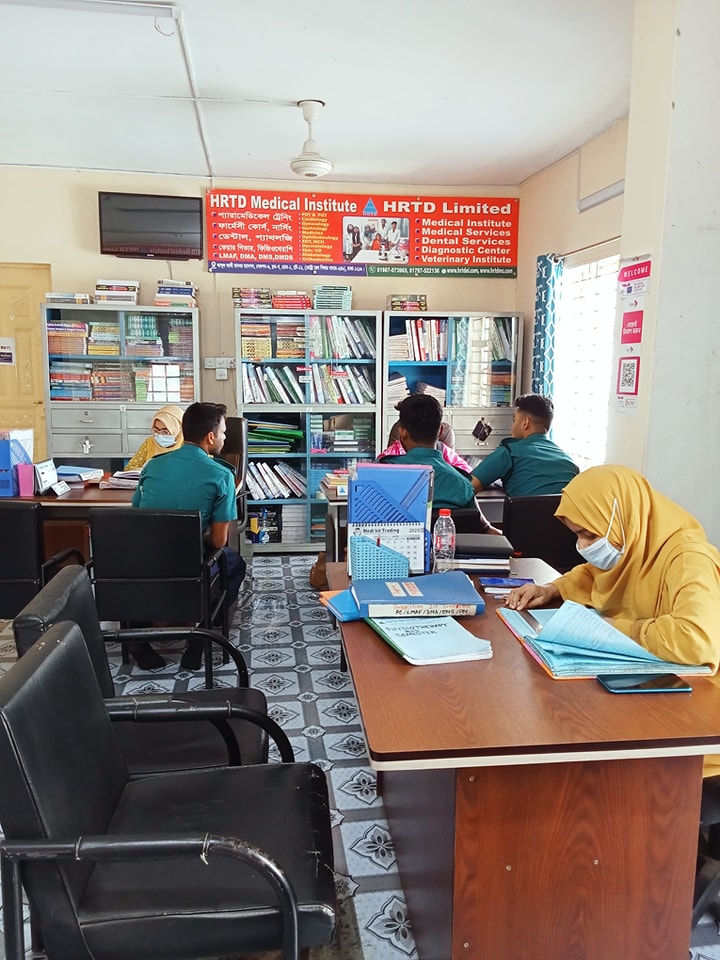
Course Curriculum Structure of the Best Pharmacy Course in Dhaka
The curriculum of the pharmacy course at HRTD Medical Institute is comprehensive and industry-oriented.
1. Study of Pharmacy
The study of pharmacy involves learning to discover, produce, dispense, and monitor medications to ensure safe, effective patient care, typically through a 4-year Bachelor of Pharmacy (BPharm) or 6-year PharmD degree. The curriculum covers biology, chemistry, pharmacology, and clinical practice, preparing graduates for roles in community pharmacy, hospitals, pharmaceutical industry, and research.
Core Areas of Study:
- Pharmaceutical Sciences: Chemistry, pharmacology (how drugs act), pharmaceutics (medicine formulation), and toxicology.
- Clinical Pharmacy: Direct patient care, advising on treatment, and managing medication therapy.
- Pharmacy Practice: Legal standards, ethics, and community/institutional health management.
Key Aspects:
- Duration: Generally a 4-year undergraduate degree, often featuring internships and laboratory work.
- Career Paths: Pharmacists can work in community pharmacies, hospitals, pharmaceutical research, regulatory affairs, and academia.
- Skills Developed: Deep understanding of drug action, patient counseling, and critical thinking in healthcare.
Why Study Pharmacy?
It is a highly reputable profession with excellent employability worldwide, allowing for a direct impact on patient health and opportunities in both clinical and industrial settings.
2. Human Anatomy & Physiology
Best Pharmacy Course in Dhaka mobile number 01797522136
Human Anatomy:
View all
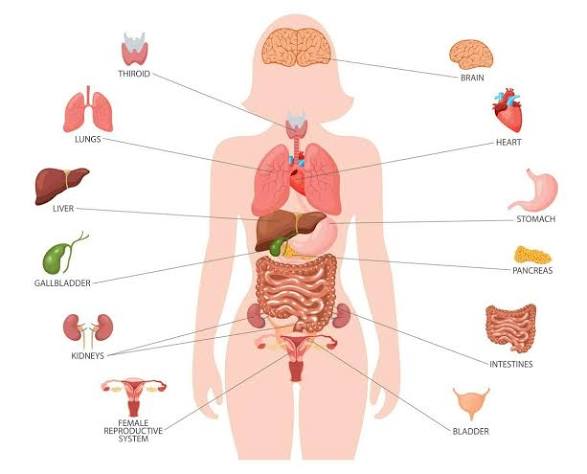
Human anatomy is the scientific study of the structure of the human body, divided into gross anatomy (visible structures like organs) and microscopic anatomy (tissues, cells, etc.). It explores body parts and their organization, crucial for medicine, and involves methods like dissection, imaging (MRI, X-ray), and studying systems (skeletal, muscular, nervous) and regions, focusing on how form dictates function, linking anatomy with physiology.
Key Areas of Study
- Gross Anatomy: Study of structures visible to the naked eye, including organs, bones, muscles, and systems (e.g., circulatory, digestive).
- Microscopic Anatomy: Involves histology (tissues) and cytology (cells) using microscopes.
- Regional Anatomy: Focuses on specific body areas (e.g., head, thorax).
- Systemic Anatomy: Studies the body by organ systems (e.g., nervous, skeletal).
- Clinical Anatomy: Application of anatomical knowledge to medical practice.
Levels of Organization
The body is organized from simple to complex:
- Cells: Basic units of life (e.g., neurons, muscle cells).
- Tissues: Groups of similar cells (e.g., muscle tissue, nervous tissue).
- Organs: Structures made of different tissues working together (e.g., heart, liver, brain).
- Organ Systems: Groups of organs working together (e.g., respiratory, cardiovascular).
Methods of Exploration
- Dissection: Traditional method involving cutting up organisms.
- Medical Imaging: Modern non-invasive techniques like MRI, CT scans, and X-rays for internal views.
- Observation & Palpation: Studying structures on the body’s surface.
Example: Anatomy & Physiology Connection
- Hand: The shape and mobility (anatomy) of the fingers allow for grasping (physiology).
- Muscles: The arrangement of muscle fibers (anatomy) determines how much they can contract (physiology).
Understanding anatomy is fundamental to understanding how the body functions, as structure dictates function.
Best Pharmacy Course in Dhaka mobile number 01797522136
Human Physiology:
Human physiology is the science of how the human body works, studying its mechanical, physical, and biochemical functions, from cells to organ systems, to maintain a stable internal environment (homeostasis) and respond to challenges like exercise, stress, or disease. It examines systems like nervous, circulatory, respiratory, and digestive, understanding how they interact to keep the body alive and healthy, forming the basis for modern medicine and performance science.
Core Concepts
- Homeostasis: The body’s ability to maintain stable internal conditions (like temperature, pH, blood sugar) despite external changes.
- Levels of Organization: From molecules and cells to tissues, organs, organ systems, and the whole organism.
- Interconnected Systems: Organ systems (e.g., nervous, endocrine, cardiovascular, respiratory) work together, often coordinated by the neuroendocrine system, to achieve body functions.
Key Systems Studied
- Nervous System: Control center, processing signals, thoughts, movements (neurons).
- Endocrine System: Uses hormones to regulate body processes like blood pressure, growth.
- Cardiovascular/Circulatory System: Heart, blood vessels; transports oxygen, nutrients, waste.
- Respiratory System: Lungs, airways; gas exchange (oxygen in, carbon dioxide out).
- Digestive System: Converts food into fuel, absorbing nutrients.
- Urinary System/Renal: Kidneys; maintain blood volume, filter waste.
Best Pharmacy Course in Dhaka mobile number 01797522136
3. Pharmacology
Pharmacology is the scientific study of drugs, focusing on their origin, nature, chemistry, effects, and uses within living organisms. It merges biology, chemistry, and medicine to understand how drugs act (pharmacodynamics) and how the body handles them (pharmacokinetics) to develop, refine, and safely apply therapeutic agents.
Key Branches of Pharmacology
- Pharmacodynamics (What the drug does to the body): Studies the biochemical and physiological effects of drugs and their mechanisms of action, such as receptor interactions.
- Pharmacokinetics (What the body does to the drug): Studies the movement of drugs into, through, and out of the body, encompassing absorption, distribution, metabolism, and excretion (ADME).
Core Areas and Applications
- Drug Discovery and Development: Researching new compounds to treat diseases.
- Toxicology: The study of the adverse or toxic effects of drugs and chemicals.
- Clinical Pharmacology: The application of pharmacological principles in medical practice and patient care.
- Pharmacogenomics: Investigating how genetic variations affect an individual’s response to drugs.
Pharmacology vs. Pharmacy
While pharmacology is the study of drugs, pharmacy is the application of this knowledge to prepare, compound, and dispense medicines.
Significance
Pharmacology is essential for developing personalized medicine, enhancing drug efficacy, ensuring safety, and mitigating side effects.
Best Pharmacy Course in Dhaka mobile number 01797522136
4. Practice of Medicine
The practice of medicine is the science and art of diagnosing, treating, and preventing human disease, injury, and illness to maintain or restore health. It involves applying biomedical research, clinical expertise, and technology—including drugs, surgery, and therapies—through licensed professionals to care for patients, often utilizing evidence-based approaches for decision-making.
Key Aspects of the Practice of Medicine:
- Definition & Scope: It covers the clinical management of injury or disease, ranging from acute care to chronic disease management, palliative care, and health promotion.
- Core Activities: Diagnosis, treatment, and prevention of physical and mental conditions.
- Methods: Utilization of pharmaceuticals, surgery, psychotherapy, medical devices, and diagnostics.
- Regulation: It requires licensure from a governing body (e.g., Medical Board/Council) to legally practice.
- Modern Approach: Integrates individual clinical expertise with the best available external evidence (evidence-based medicine).
- Role of Practitioners: Involves assessing patient conditions, making clinical judgments, and managing care, often working in teams.
It is considered a “learned profession,” demanding advanced training, high ethical principles, and continuous learning to keep pace with medical advancements.
Best Pharmacy Course in Dhaka mobile number 01797522136
5. Antimicrobial Drugs
Antimicrobial drugs are agents—including antibiotics, antivirals, antifungals, and antiparasitics that kill or inhibit the growth of microorganisms to reduce infection and sepsis. They work by targeting specific microbial processes, such as cell wall synthesis or metabolism, and are classified by their spectrum (broad or narrow) and action (bactericidal or bacteriostatic).
Key Classes of Antimicrobial Drugs
- Antibiotics: Treat bacterial infections by killing bacteria (bactericidal) or preventing their multiplication (bacteriostatic). Examples include penicillin, ampicillin, and cephalosporins.
- Antivirals: Treat viral infections.
- Antifungals: Treat fungal infections.
- Antiparasitics: Treat infections caused by parasites, such as malaria or helminthiasis.
- Sulfonamides (Sulfa drugs): A class of broad-spectrum drugs that disrupt bacterial metabolic pathways.
Mechanisms of Action and Spectrum
- Targeting Bacteria: Drugs often target the bacterial cell wall, cell membrane, or protein/nucleic acid synthesis.
- Spectrum of Activity: Narrow-spectrum agents target specific bacteria, while broad-spectrum agents target a wide range, including gram-positive and gram-negative bacteria.
Clinical Considerations
- Resistance: Overuse and inappropriate use of antimicrobials lead to antimicrobial resistance (AMR), a critical concern for treatment efficacy.
- Side Effects: While designed to be safe for human cells, they can cause side effects like nausea or diarrhea.
- Usage: They are essential for treating active infections and as prophylaxis in surgical procedures.
Common Examples and Usage
- Penicillins: Used for skin, chest, and urinary tract infections.
- Cephalosporins: Used for serious infections, including septicemia.
- Aminoglycosides: Often used in hospitals for severe infections.
- Metronidazole/Albendazole: Used for antiparasitic infections.
Best Pharmacy Course in Dhaka mobile number 01797522136
6. Study of OTC drugs
OTC drug studies indicate high self-medication prevalence (up to 86% in some groups), driven by convenience and, in developing areas like Dhaka, often involving inappropriate use of NSAIDs (33%), antibiotics (17.5%), and antacids. Key drivers include past experience, brand familiarity, and advice from peers/pharmacists.
Key Findings in OTC Drug Studies
- Commonly Used Drugs: NSAIDs (33.0%), antacids (20.5%), antibiotics (17.5%), and antipyretics (13.0%) are the most frequently used, particularly for fever, cough, and cold.
- Sources & Information: Pharmacies are the primary source (78.3%), while information is largely obtained from peers (45.1%), old prescriptions (42.2%), or reading materials (56.3%).
- Usage Drivers: Key factors influencing self-medication include convenience, high cost of professional care, past experience with the drug, and trust in pharmaceutical brands.
- Risks: Roughly 15% of users experience adverse reactions.
- Demographic Trends: Higher education, male gender, and student status are significant predictors of increased OTC use.
Best Pharmacy Course in Dhaka mobile number 01797522136
7. First Aid
First aid is the immediate, temporary care given to an ill or injured person to preserve life, prevent worsening conditions, and promote recovery until professional medical help arrives. Key techniques include assessing safety (DRSABCD), CPR, controlling bleeding, and treating burns or choking. Key steps are: Danger, Response, Send for help, Airway, Breathing, CPR, Defibrillation.
Core First Aid Principles (DRSABCD)
- Danger: Check for danger to yourself, bystanders, and the patient.
- Response: Check if the person is conscious.
- Send for Help: Call emergency services (e.g., 911, 000, 112).
- Airway: Open the airway by tilting the head back and lifting the chin.
- Breathing: Check for normal breathing (look, listen, feel).
- CPR: If not breathing, start 30 chest compressions followed by 2 breaths.
- Defibrillation: Use an AED if available.
Common First Aid Procedures
- Bleeding: Apply direct, firm pressure to the wound with a clean cloth, elevate, and seek help for severe bleeding.
- Choking: Give up to 5 back blows between the shoulder blades, followed by 5 abdominal thrusts (Heimlich maneuver).
- Burns: Cool burns with cool running water for at least 20 minutes; do not use ice.
- Unconscious Person: If breathing, place them in the recovery position (on their side) to keep the airway clear.
Essential First Aid Kit Components
A basic kit should contain:
- Adhesive bandages, gauze pads, and medical tape.
- Antiseptic wipes and antibiotic ointment.
- Non-latex gloves and scissors.
- Thermal blanket and tweezers.
Best Pharmacy Course in Dhaka mobile number 01797522136
Some Practical of the Best Pharmacy Course in Dhaka
Best Pharmacy Course in Dhaka mobile number 01797522136
Heart Rate
Heart rate is how many times your heart beats per minute (bpm), with a normal resting rate for adults typically 60–100 bpm, though fit individuals and athletes can have lower rates. It changes with activity, emotions, and health, rising when active or stressed and slowing when resting or sleeping. A rate over 100 bpm at rest (tachycardia) or below 60 bpm (bradycardia) may need a doctor’s attention, especially with symptoms like dizziness.
Normal Ranges (Resting)
- Adults: 60–100 bpm
- Athletes: Can be as low as 40 bpm or even 37-38 bpm
- Children: Varies by age (e.g., 80-130 bpm for toddlers)
Factors Affecting Heart Rate
- Activity Level: Increases with exercise.
- Emotions: Stress, anxiety, excitement raise it.
- Physical Factors: Fitness, weight, sleep quality, hormones, pregnancy, medications, alcohol, caffeine.
How to Check Your Heart Rate
- Rest: Sit quietly for 5-10 minutes.
- Locate Pulse: Place index and middle fingers on the thumb-side of your wrist or neck.
- Count: Count beats for 10 seconds and multiply by 6, or use a fitness tracker
Best Pharmacy Course in Dhaka mobile number 01797522136
Tachycardia
Tachycardia is a heart rhythm disorder where the heart beats too fast, typically over 100 beats per minute (bpm) at rest in adults, signaling an electrical problem or normal response to stress, exercise, or underlying conditions like fever, anemia, anxiety, or thyroid issues, causing symptoms like palpitations, dizziness, and shortness of breath, requiring medical evaluation to determine if it’s benign (sinus tachycardia) or a serious arrhythmia needing treatment.
Types of Tachycardia
- Sinus Tachycardia: A normal response to stress, fever, or exercise, where the sinus node fires too quickly.
- Supraventricular Tachycardia (SVT): Abnormal signals start above the ventricles, causing sudden rapid heartbeats, often felt as palpitations.
- Ventricular Tachycardia (VT): A dangerous rhythm originating in the heart’s lower chambers, potentially life-threatening.
- Atrial Fibrillation (AFib) & Flutter: Irregular, rapid heartbeats in the upper chambers (atria).
Common Symptoms
Racing heart or palpitations, Dizziness or lightheadedness, Shortness of breath, and Chest pain or discomfort.
Common Causes & Triggers
- Lifestyle: Caffeine, alcohol, stimulants, smoking, stress, lack of sleep.
- Medical Conditions: Fever, anemia, thyroid disease, dehydration, lung disease, sleep apnea, heart disease, high blood pressure.
- Electrical Issues: Faulty heart wiring or triggers in the heart’s chambers.
Best Pharmacy Course in Dhaka mobile number 01797522136
Bradycardia
Bradycardia is a slower-than-normal heart rate, typically under 60 beats per minute (bpm) in adults at rest, caused by issues with the heart’s electrical system, certain medications, or underlying conditions like sleep apnea or thyroid problems, leading to symptoms like dizziness, fatigue, shortness of breath, and confusion, though highly fit individuals and athletes may have a normal slow rate. Treatment varies by cause, ranging from lifestyle changes to pacemakers, and involves diagnosing the underlying problem with tools like an EKG.
What it is
- A heart rate below 60 bpm, meaning the heart isn’t pumping enough oxygen-rich blood to the body.
- Can be normal for athletes or during sleep, but problematic if it causes symptoms.
Common types
- Sinus Bradycardia: Slowing of the heart’s natural pacemaker (sinus node).
- Heart Block: Electrical signals from the upper to lower heart chambers are blocked.
Causes
- Heart Issues: Heart disease, previous heart attacks, sick sinus syndrome.
- Medications: Beta-blockers, calcium channel blockers.
- Medical Conditions: Thyroid problems, electrolyte imbalances, sleep apnea, inflammation.
- Lifestyle: Intense physical fitness (often normal), aging.
Symptoms (when problematic)
- Dizziness, lightheadedness, fainting.
- Fatigue, weakness.
- Shortness of breath, chest pain.
- Confusion or memory problems.
Diagnosis & Treatment
- Diagnosis: Physical exam, EKG, Holter monitor, sleep study, blood tests.
- Treatment: Addressing the cause (e.g., changing meds, treating sleep apnea) or using a pacemaker for severe cases.
Best Pharmacy Course in Dhaka mobile number 01797522136
Pulse
A pulse is the rhythmic expansion and contraction of your arteries as your heart pumps blood, felt as a throbbing sensation, most easily checked at the wrist or neck, indicating your heart rate (beats per minute) and rhythm, crucial for assessing cardiovascular health, with normal resting rates for adults typically 60-100 BPM. “Pulse” also refers to a new 2025 Netflix medical drama series and various tech/business platforms.
In Medicine (Heartbeat)
- What it is: The surge of blood pushing through arteries with each heartbeat.
- Where to find it: Wrist (radial artery), neck (carotid), groin, back of knee, top of foot.
- How to check: Place index and middle fingers lightly on the skin; count beats for 15 seconds and multiply by four.
- Normal Rate (Adults): 60-100 beats per minute (BPM) at rest, but varies with fitness and activity.
- What it tells you: Rate, rhythm (regular/irregular), and strength, signaling potential issues like bradycardia (slow) or tachycardia (fast).
Best Pharmacy Course in Dhaka mobile number 01797522136
Blood Pressure
Blood pressure is the force of blood pushing against artery walls, measured as two numbers (systolic over diastolic) in mmHg, with <120/80 mmHg considered normal, while readings of 120-129 systolic and <80 diastolic are elevated, and ≥130/80 mmHg or higher indicates high blood pressure (hypertension). It fluctuates with activity and emotions, but consistently high pressure (hypertension) increases risks for heart attack, stroke, and kidney disease, requiring lifestyle changes like healthy diet, exercise, and stress management, or medication.
Blood Pressure Numbers Explained
- Systolic (Top Number): Pressure when your heart beats (contracts).
- Diastolic (Bottom Number): Pressure when your heart rests between beats.
Blood Pressure Categories (for adults)
- Normal: Less than 120/80 mmHg.
- Elevated: Systolic 120-129 AND diastolic less than 80.
- Hypertension (High Blood Pressure): 130/80 mmHg or higher.
- Hypotension (Low Blood Pressure): Readings below 90/60 mmHg can sometimes cause issues like dizziness.
Factors Affecting Blood Pressure
- Activity & Body Position: Changes with exercise, stress, and even breathing.
- Lifestyle: Diet (high salt), weight, smoking, alcohol, and stress.
- Health Conditions: Kidney disease, diabetes, sleep apnea.
- Genetics & Age: Family history and older age increase risk.
Best Pharmacy Course in Dhaka mobile number 01797522136
Hypertension
Hypertension, or high blood pressure, means blood consistently pushes too hard against artery walls, making the heart work harder and risking heart attack, stroke, and kidney disease. Often symptom-free (the “silent killer”), it’s diagnosed by readings of 130/80 mmHg or higher, with causes including lifestyle (diet, lack of exercise, salt, alcohol) and genetics. Treatment involves lifestyle changes (diet, exercise, weight loss) and medications, with goals to lower blood pressure to a target of 130/80 mmHg or less to prevent serious complications.
Symptoms
- Usually none, but severe cases (180/120 mmHg+) can cause: headaches, chest pain, dizziness, shortness of breath, nosebleeds, blurred vision, anxiety, nausea, or confusion.
Causes & Risk Factors
- Primary (Essential) Hypertension: Most common, linked to genetics, aging, obesity, high salt/low potassium diet, inactivity, smoking, excess alcohol.
- Secondary Hypertension: Caused by underlying conditions like kidney disease or endocrine disorders.
Types of Hypertension
- Normal: Below 120/80 mmHg.
- Elevated: Systolic (top number) 120-129 mmHg AND diastolic (bottom) <80 mmHg.
- Stage 1 Hypertension: Systolic 130-139 mmHg OR diastolic 80-89 mmHg.
- Stage 2 Hypertension: Systolic 140 mmHg or higher OR diastolic 90 mmHg or higher.
- Hypertensive Crisis: Above 180/120 mmHg; requires emergency care.
Treatment & Management
- Lifestyle Changes: DASH diet (fruits, veg, whole grains), low sodium, regular exercise, weight management, limiting alcohol, quitting smoking, stress reduction.
- Medications: Diuretics, ACE inhibitors, beta-blockers, calcium channel blockers, etc., often used in combination.
Best Pharmacy Course in Dhaka mobile number 01797522136
Hypotension
Hypotension, or low blood pressure, occurs when blood pressure drops below the normal range (typically <90/60 mmHg) and causes symptoms like dizziness, fainting, blurred vision, and fatigue, indicating insufficient blood flow to organs. While often harmless for healthy individuals, it can stem from dehydration, medication, heart problems, or severe infection, and requires medical attention if symptoms are present, as it can lead to shock or organ damage. Specific types include orthostatic (upon standing) and postprandial (after eating) hypotension.
Symptoms
- Dizziness or lightheadedness
- Fainting (syncope)
- Blurred vision
- Nausea or vomiting
- Fatigue or weakness
- Confusion
- Rapid, shallow breathing
- Fast heartbeat
- Cold, clammy skin
Common Types & Causes
- Orthostatic Hypotension: Sudden drop when standing up; common with dehydration, aging, or bed rest.
- Postprandial Hypotension: Drop after eating; affects older adults more, linked to Parkinson’s.
- Neurally Mediated: Drop after prolonged standing; affects young people/children.
- Severe Hypotension: Can be caused by severe bleeding, dehydration, sepsis, anaphylaxis, or heart issues.
Best Pharmacy Course in Dhaka mobile number 01797522136
Cleaning, Dressing & Bandaging
Cleaning, dressing, and bandaging wounds involves first washing hands and the wound gently with clean water and mild soap (avoiding harsh agents like peroxide), then applying antibiotic ointment if needed, covering with a sterile, non-stick dressing, and securing it with a bandage that isn’t too tight to allow circulation, changing it daily or when dirty/wet to promote healing. Always wear gloves, use sterile materials where possible, and apply pressure to stop bleeding before covering, ensuring the dressing extends beyond the wound’s edge.
1. Cleaning the Wound
- Wash Hands: Start with soap and water or hand sanitizer, and wear gloves if available.
- Rinse Wound: Gently flush with clean, lukewarm, running water; mild soap can be used around the wound but avoid getting it directly in.
- Avoid Harsh Cleaners: Do not use hydrogen peroxide or alcohol as they can damage tissue and slow healing.
- Pat Dry: Gently pat the skin dry with a clean cloth; don’t rub.
2. Dressing the Wound
- Apply Ointment: Use a thin layer of antibiotic ointment (if no allergies) to help prevent infection.
- Cover: Place a sterile, non-stick dressing over the entire wound.
- Use Proper Materials: Use sterile gauze for cleaning and covering, but avoid cotton wool as fibers stick.
- For Bleeding: If bleeding soaks through, add another dressing on top; don’t remove the first one.
3. Bandaging the Wound
- Secure the Dressing: Wrap the bandage firmly but not too tightly, ensuring it covers the dressing completely.
- Check Circulation: Press on the skin past the bandage; color should return in under 2 seconds. Loosen if it stays pale.
- Secure with Knot: Tie the ends in a reef knot over the dressing to maintain light pressure.
- Change Regularly: Change dressings daily or when wet/dirty to keep the area clean and moist for healing.
Best Pharmacy Course in Dhaka mobile number 01797522136
Injection Pushing
“Injection pushing” refers to the technique of slowly and steadily pressing the plunger on a syringe to deliver medication into the body, typically after the needle has been inserted into the skin (subcutaneous) or muscle (intramuscular), requiring a firm, quick insertion and then a slow, steady push to administer the drug smoothly, ensuring proper absorption and minimizing discomfort.
Key Steps for Pushing the Medication
- Prepare: Clean the site, let it dry, hold the syringe like a dart, and insert the needle quickly at a 45-90 degree angle.
- Release Skin (for Subcutaneous): If you pinched the skin, release it after the needle is in place.
- Push Slowly: Gently and steadily press the plunger all the way down to inject the medication at a moderate pace.
- Remove Needle: Pull the needle straight out at the same angle it went in.
- Aftercare: Apply pressure with an alcohol wipe (don’t rub) and apply a bandage if needed.
Important Considerations
- Site Rotation: Always rotate injection sites to prevent tissue damage, notes Johns Hopkins Arthritis Center and MedlinePlus.
- Angle: For subcutaneous, use 45-90 degrees; for intramuscular, use a firm, straight 90-degree thrust.
- Disposal: Immediately place used syringes in a puncture-proof sharps container.
Best Pharmacy Course in Dhaka mobile number 01797522136
Saline Pushing
Saline pushing, or flushing an IV with normal saline, is a nursing technique using short, forceful pushes with breaks (push-pause method) to clear IV lines, prevent clots, maintain patency (keep open), and administer medications safely, often for pediatric patients with difficult access to ensure medications go in correctly and lines stay clear between uses. This technique involves scrubbing the hub, connecting a saline syringe, and injecting saline in a pulsating motion, ensuring proper clamping for different cap types to avoid complications like infiltration or blood clots.
Purpose of Saline Pushing
- Maintain Patency: Keeps the IV line from clotting (occlusion) with blood.
- Before Medication: Flushes the line to ensure the medication enters the bloodstream at the correct rate and doesn’t mix with incompatible fluids, notes this YouTube video.
- After Medication: Pushes remaining medication out of the tubing.
- Between Drugs: Prevents mixing of incompatible medications.
- Pediatrics: Improves first-attempt success for difficult IV access, say studies on ScienceDirect and another study on ScienceDirect.
Best Pharmacy Course in Dhaka mobile number 01797522136
Inhaler
Inhalers are small, handheld devices that allow you to breathe medicine in through your mouth, directly to your lungs. Types include metered-dose, dry powder and soft mist inhalers. They usually treat asthma and COPD but providers may prescribe them for other conditions.
Best Pharmacy Course in Dhaka mobile number 01797522136
Nebulizer
A nebulizer is a medical device that turns liquid medicine into a fine mist, allowing it to be inhaled directly into the lungs through a mouthpiece or mask for treating respiratory conditions like asthma, COPD, and cystic fibrosis. It uses compressed air, oxygen, or ultrasonic power to create an aerosol, delivering medication to relax airways, loosen mucus, and ease breathing for 5-10 minutes per treatment. Nebulizers are available in home (plug-in) and portable (battery-operated) models and are prescribed by doctors.
How it works
- Liquid to mist: The device aerosolizes liquid medicine into tiny droplets.
- Inhalation: You breathe in the mist through a connected mask or mouthpiece.
- Direct delivery: The medicine goes straight to the lungs, providing quick relief.
Common uses
- Asthma attacks and flare-ups
- Chronic Obstructive Pulmonary Disease (COPD)
- Cystic Fibrosis
- Bronchitis
Types of medication
- Bronchodilators: Relax airway muscles (e.g., Albuterol, Ipratropium).
- Corticosteroids: Reduce inflammation (e.g., Budesonide).
How to use
- Add prescribed liquid medicine to the nebulizer cup.
- Attach the mouthpiece or mask and connect to the machine.
- Turn it on and breathe normally until the mist stops (usually 5-10 mins).
- Rinse your mouth after use, especially with steroids.
- Clean the equipment regularly.
Best Pharmacy Course in Dhaka mobile number 01797522136
Blood Grouping
Blood grouping (or blood typing) classifies blood based on inherited antigens (A, B, Rh factor) on red blood cells, creating 8 main types (A+, A-, B+, B-, O+, O-, AB+, AB-) crucial for safe blood transfusions to avoid immune reactions, with O- being the universal donor and AB+ the universal receiver. It’s determined by genes from parents, identifying substances (antigens/antibodies) that cause clumping if incompatible.
The Main Blood Groups (ABO System)
- Group A: Has A antigens on red cells, anti-B antibodies in plasma.
- Group B: Has B antigens on red cells, anti-A antibodies in plasma.
- Group AB: Has both A & B antigens, no antibodies.
- Group O: Has no A or B antigens, both anti-A & anti-B antibodies.
Rh Factor (+/-)
- Rh-positive (+): Has the Rh protein (D antigen).
- Rh-negative (-): Lacks the Rh protein.
Compatibility (Transfusions)
- O negative (O-): Universal Donor:, as it lacks A, B, and Rh antigens, so it won’t trigger a reaction in anyone.
- AB positive (AB+): Universal Recipient:, as it has all antigens and no antibodies to react.
- Matching: Blood must match closely (e.g., A+ receives from A+, A-, O+, O-), but O- can be given in emergencies to anyone.
Best Pharmacy Course in Dhaka mobile number 01797522136
Blood Glucose
Blood glucose, or blood sugar, is the main sugar in your blood, serving as your body’s primary energy source from food, mainly carbs, regulated by insulin from the pancreas; high levels (hyperglycemia) often signal diabetes, where the body struggles with insulin, leading to excess sugar in the blood, while monitoring it helps manage energy needs and prevent complications like heart disease.
What it is
- Energy source: Glucose comes from carbohydrates in food (fruits, grains, pasta) and travels via your blood to cells for energy.
- Hormonal control: The pancreas releases insulin to help cells absorb glucose; without enough insulin or proper use, sugar stays in the blood.
Why it’s important
- Brain function: Your brain and nerves need a constant supply of glucose.
- Metabolic health: Keeping levels stable prevents serious issues like heart, kidney, and eye disease.
Normal vs. high levels (mg/dL)
- Fasting (before meals): 80–130 mg/dL (or < 100 mg/dL for normal).
- 2 hours after a meal: < 180 mg/dL (or < 140 mg/dL for normal).
How to check
- Wash hands, insert a test strip into a glucose meter, prick your finger with a lancet, touch the blood to the strip, and read the result.
Best Pharmacy Course in Dhaka mobile number 01797522136
Practical Training of the Best Pharmacy Course in Dhaka
One of the key reasons why our pharmacy course is considered among the best in Dhaka is our focus on practical training.
Students receive hands-on training in:
- Simulated pharmacy lab environment
- Prescription interpretation
- Real medicine identification
- Inventory software basics
- Communication with patients
Practical exposure ensures that students are job-ready immediately after completing the course.
Best Pharmacy Course in Dhaka mobile number 01797522136
Internship Opportunities of the Best Pharmacy Course in Dhaka
HRTD Medical Institute provides internship opportunities in:
- Hospitals
- Diagnostic centers
- Retail pharmacies
- Healthcare organizations
Internships help students gain real-world experience and build professional confidence.
Best Pharmacy Course in Dhaka mobile number 01797522136
Duration of the Best Pharmacy Course in Dhaka
The pharmacy course duration may vary depending on the program structure. Generally:
- Short-term certificate course: 3-6 months
- Diploma-level program: 1-4 years
Classes are conducted regularly with theory and practical sessions.
Best Pharmacy Course in Dhaka mobile number 01797522136
Who Can Enroll?
Our pharmacy course is suitable for:
- SSC/HSC passed students
- Any background students
- Job seekers in healthcare
- Pharmacy shop employees
- Students aiming for a healthcare career
We aim to provide opportunities for students from different educational backgrounds to build a professional future.
Best Pharmacy Course in Dhaka mobile number 01797522136
Career Opportunities After Completing the Best Pharmacy Course in Dhaka
After completing the pharmacy course from HRTD Medical Institute, students can work in:
- Retail pharmacies
- Hospital pharmacies
- Diagnostic centers
- Pharmaceutical companies
- Medical representative roles
- Drug distribution companies
With experience, students can also open their own pharmacy business (subject to legal requirements).
Best Pharmacy Course in Dhaka mobile number 01797522136
Skills You Will Gain
By completing this course, students develop:
- Drug knowledge
- Prescription reading skills
- Patient communication ability
- Professional ethics
- Inventory management skills
- Basic pharmaceutical calculations
These skills are essential for a successful career in pharmacy.
Best Pharmacy Course in Dhaka mobile number 01797522136
Why HRTD Medical Institute is the Best Choice for the Best Pharmacy Course in Dhaka
There are many pharmacy training institutes in Dhaka, but we stand out because of:
1. Practical-Based Learning
We emphasize hands-on training.
2. Experienced Faculty
Our instructors have real healthcare experience.
3. Affordable Fees
Quality education at a reasonable cost.
4. Prime Location
Located in Mirpur-10, easily accessible via metro rail.
5. Career Guidance
We provide professional advice and support.
Best Pharmacy Course in Dhaka mobile number 01797522136
Importance of Pharmacy Professionals in Bangladesh
The pharmaceutical sector in Bangladesh is rapidly expanding. Pharmacy professionals are needed in:
- Urban hospitals
- Rural healthcare centers
- Private clinics
- Government health projects
Skilled pharmacy personnel improve medication safety and patient outcomes.
Best Pharmacy Course in Dhaka mobile number 01797522136
Ethical and Professional Training
At HRTD Medical Institute, we emphasize:
- Patient confidentiality
- Ethical dispensing
- Safe medication practices
- Professional behavior
We believe that technical knowledge must be combined with strong moral values.
Best Pharmacy Course in Dhaka mobile number 01797522136
Modern Facilities at HRTD Medical Institute
Our facilities include:
- Well-equipped classrooms
- Practical laboratory
- Medicine sample display units
- Audio-visual teaching aids
- Friendly learning environment
We ensure students learn in a professional and comfortable setting.
Best Pharmacy Course in Dhaka mobile number 01797522136
Student Support Services
We provide:
- Academic guidance
- Practical supervision
- Career counseling
- Internship assistance
- Certification after successful completion
Our support continues even after course completion.
Best Pharmacy Course in Dhaka mobile number 01797522136
Admission Process of the Best Pharmacy Course in Dhaka
Admission to the pharmacy course is simple:
- Collect admission form
- Submit academic documents
- Complete registration
- Attend orientation class
For admission details, contact:
01797522136
01987073965
01784572173
Best Pharmacy Course in Dhaka mobile number 01797522136
Vision and Mission of the Best Pharmacy Course in Dhaka
Our vision is to become one of the leading medical training institutes in Dhaka.
Our mission is to produce skilled, ethical, and competent pharmacy professionals who can serve the healthcare sector with dedication.
Best Pharmacy Course in Dhaka mobile number 01797522136
Conclusion of the Best Pharmacy Course in Dhaka
If you are looking for the best pharmacy course in Dhaka, your search ends at HRTD Medical Institute.
With comprehensive curriculum, practical training, experienced faculty, internship support, and affordable fees, we provide the perfect platform to launch your pharmacy career.
Pharmacy is not just a profession; it is a responsibility towards patient safety and healthcare improvement. Start your journey with confidence and build a successful future in the pharmaceutical field.
For admission and further information, visit our campus at Mirpur-10, Dhaka, or contact us directly.
Your future in pharmacy begins today at HRTD Medical Institute.