 Pathology Training Institute in Bangladesh Best Pathology Training Institute in Bangladesh

Diabetes Test 01797522135
Introduction
Diabetes mellitus is one of the most common and rapidly increasing chronic diseases worldwide. In Bangladesh, the prevalence of diabetes has risen significantly due to lifestyle changes, urbanization, and genetic factors. Early diagnosis and proper monitoring are essential to prevent complications.
Diabetes Test 01797522135
At HRTD Medical Institute, advanced diagnostic facilities and reliable laboratory services ensure accurate diabetes testing, helping patients manage their health effectively.
This blog provides a complete guide to diabetes tests, their importance, procedures, interpretation, and why HRTD Medical Institute is a trusted choice.
Diabetes Test 01797522135
What is Diabetes?
Diabetes is a metabolic disorder characterized by high blood glucose levels due to:
- Insufficient insulin production
- Insulin resistance
- Both combined
Types of Diabetes
Type 1 Diabetes
Type 1 diabetes is a chronic autoimmune condition where the immune system destroys insulin-producing beta cells in the pancreas, resulting in little to no insulin production and high blood sugar. It requires daily insulin administration, constant blood glucose monitoring, and healthy lifestyle management to prevent severe complications.
Causes and Risk Factors
- Autoimmune Reaction: The body mistakenly attacks pancreatic cells.
- Genetics: Family history plays a role, with higher risks if parents have it (e.g., 1 in 17 if father has it).
- Environmental Factors: Potential exposure to viruses or other triggers.
Key Symptoms (Often Sudden)
- Extreme thirst and frequent urination.
- Unexplained, rapid weight loss.
- High fatigue, weakness, and blurry vision.
- Fruity-smelling breath and nausea (signs of diabetic ketoacidosis).
Management and Treatment
- Insulin Therapy: Necessary via injections or an insulin pump.
- Blood Glucose Monitoring: Regular, daily testing to maintain healthy levels.
- Lifestyle: Healthy eating and consistent physical activity. Centers for Disease Control and Prevention |
Prognosis
While there is currently no cure and it is a lifelong condition, people with type 1 diabetes can live long, healthy lives by strictly managing their blood sugar and working closely with a healthcare team.
Diabetes Test 01797522135
Type 2 Diabetes
Type 2 diabetes is a chronic condition where the body resists insulin or fails to produce enough, causing high blood sugar. It is mainly caused by lifestyle factors like obesity and inactivity, alongside genetics. Symptoms include frequent urination, extreme thirst, fatigue, and blurred vision. Treatment involves diet, exercise, and medication.
Symptoms of Type 2 Diabetes
Many people have no symptoms at first, or symptoms develop slowly. Key indicators include:
- Increased thirst and hunger: Frequent thirst and dry mouth.
- Frequent urination: Specifically needing to go often.
- Fatigue: Feeling tired or lacking energy.
- Slow-healing wounds: Cuts or sores take a long time to heal.
- Blurred vision: High sugar levels can affect vision.
- Infections: Frequent skin, gum, or bladder infections.
- Numbness/Tingling: Tingling in hands or feet.
Causes and Risk Factors
Type 2 diabetes is primarily caused by insulin resistance, where cells do not respond to insulin properly, forcing the pancreas to work harder until it can no longer produce enough insulin. Key risks include:
- Weight: Being overweight or having obesity.
- Activity Level: A sedentary lifestyle.
- Fat Distribution: Storing fat primarily around the abdomen.
- Genetics: Family history of the condition.
- Age: Being over 45, though it is increasingly common in children and younger adults.
- Pre-existing Conditions: Prediabetes, high blood pressure, and high cholesterol.
Treatment and Management
Type 2 diabetes is managed through lifestyle changes and medications:
- Healthy Diet: Eating, well-balanced meals, focusing on fiber and limiting sugar.
- Physical Activity: Regular exercise helps manage weight and lower blood sugar.
- Weight Loss: Losing weight can help manage or even put Type 2 diabetes into remission.
- Medication/Insulin: Oral medications (like metformin) or insulin injections may be required to help control blood sugar.
- Monitoring: Regularly tracking blood sugar levels. Prevention |
Complications
Unmanaged high blood sugar can lead to severe health issues, such as heart disease, stroke, kidney damage (nephropathy), nerve damage (neuropathy), and eye damage (retinopathy) that can lead to blindness.
Diabetes Test 01797522135
Gestational Diabetes
Gestational diabetes is a temporary type of diabetes developing during pregnancy (usually 24–28 weeks) when placenta hormones cause insulin resistance, leading to high blood sugar. Often asymptomatic, it may cause increased thirst or urination. Risk factors include obesity, age over 40, or previous history. It is managed via diet, exercise, and sometimes medication to prevent complications like large birth weight.
Main Cause
The primary cause is hormone production by the placenta (such as estrogen, cortisol, and human placental lactogen) that helps the fetus grow but also blocks the mother’s insulin from working effectively, resulting in insulin resistance.
Symptoms
Gestational diabetes frequently has no symptoms, or they are mild:
- Increased thirst.
- Frequent urination.
- Fatigue.
- Blurred vision.
Risk Factors
- Weight: Body Mass Index (BMI) above 30.
- Age: Being over 40 years old.
- History: Previous gestational diabetes or delivering a baby over 9 lbs (4.5 kg).
- Family History: Family history of diabetes (parents or siblings).
- Ethnicity: Higher risk among South Asian, Black, African-Caribbean, or Middle Eastern origins.
How it Affects the Baby
If unmanaged, high blood sugar can lead to:
- Macrosomia: Excessively high birth weight, causing potential delivery issues.
- Hypoglycemia: Low blood sugar immediately after birth.
- Long-term risks: Higher risk of obesity or developing type 2 diabetes later in life.
Long-Term Effects
- For the Mother: Higher likelihood of developing type 2 diabetes later in life or recurrence in future pregnancies.
- Management: Most cases are successfully managed with diet and exercise, though insulin or medication may be required.
Diagnosis
Screening is typical at 24–28 weeks of pregnancy using a glucose challenge test. This involves a “one-step” (75 g OGTT) or “two-step” (50 g followed by 100 g) blood test to measure how the body processes glucose.
Why Diabetes Testing is Important
Regular diabetes testing helps in:
- Early detection
- Preventing complications
- Monitoring treatment effectiveness
- Reducing risk of heart, kidney, and nerve diseases
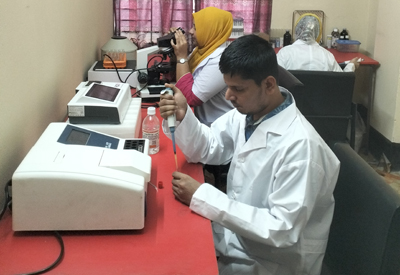
At HRTD Medical Institute, testing is done using modern equipment to ensure accuracy.
Common Diabetes Tests Available at HRTD Medical Institute
1. Fasting Blood Sugar (FBS)
A Fasting Blood Sugar (FBS) test measures blood glucose levels after a 8–12 hour fast, typically used to diagnose diabetes or prediabetes. A normal result is less than 100 mg/dL, while 100–125 mg/dL indicates prediabetes, and 126 mg/dL or higher suggests diabetes. Fasting requires avoiding all food and drinks except water.
Fasting Blood Sugar Ranges
- Normal: Less than
(5.6 mmol/L).
- Prediabetes:
(5.6 to 6.9 mmol/L).
- Diabetes:
(7.0 mmol/L) or higher (usually confirmed with a second test).
- Hypoglycemia: Generally defined as less than
.
Preparation and Procedure
- Fasting Duration: You must not consume any food or beverages (except plain water) for 8 to 12 hours prior to the blood draw.
- Medications: Inform your doctor about medications you are taking, as some (e.g., corticosteroids, diuretics) can influence results.
- Timing: The test is usually done in the morning.
- Post-Test: You can resume normal eating afterward, though bringing a snack is recommended.
When is an FBS Test Performed?
- Diagnosis: To check for diabetes or prediabetes if you have symptoms (e.g., excessive thirst, frequent urination).
- Screening: As part of a routine annual physical examination.
- Monitoring: To manage known diabetes or monitor blood sugar control.
- Pregnancy: To check for gestational diabetes.
Factors Affecting Results
- Stress: High emotional or physical stress can increase cortisol, raising blood sugar.
- Diet: A high-sugar or high-carb meal just before the fasting period can affect results.
- Exercise: Intense exercise immediately before the test may cause inaccuracies.
Diabetes Test 01797522135
2. Random Blood Sugar (RBS)
A Random Blood Sugar (RBS) test measures blood glucose levels at any time of day, regardless of when you last ate, aiding in rapid diagnosis of diabetes and monitoring of high/low blood sugar. A normal result is typically under 140 mg/dL, while levels above 200 mg/dL may indicate diabetes.
Key Details About the RBS Test:
- Purpose: Screens for diabetes, checks for high/low blood sugar emergencies, and monitors diabetes management.
- Preparation: No special preparation or fasting is required.
- Procedure: A healthcare professional takes a blood sample via finger prick or needle.
- When to Test: Often done if patients show symptoms of hyperglycemia (high) or hypoglycemia (low).
RBS Normal Range and Results:
- Normal: Less than 140 mg/dL.
- Prediabetes: 140 – 199 mg/dL.
- Diabetes: 200 mg/dL or higher.
Factors Affecting Results:
RBS can be influenced by recent food consumption, stress, illness, or certain medications. Results are often available quickly (1–2 hours).
Diabetes Test 01797522135
3. Oral Glucose Tolerance Test (OGTT)
The Oral Glucose Tolerance Test (OGTT) measures the body’s ability to process glucose, diagnosing diabetes, prediabetes, and gestational diabetes. After an 8-12 hour fast, a baseline blood sample is taken, followed by a sugary drink (usually 75g-100g of glucose), with subsequent blood samples taken over 1-3 hours.
Key Details of the OGTT
- Purpose: Primarily used to diagnose diabetes, prediabetes, and gestational diabetes (often between 24-28 weeks of pregnancy). It can also be used to diagnose growth hormone excess (acromegaly).
- Procedure: A fasting blood sample is taken, followed by the consumption of a glucose drink. Further blood samples are drawn at intervals, typically 1, 2, and sometimes 3 hours after consumption.
- Preparation: Requires 8-12 hours of fasting (only water allowed). Normal diet and activity should be maintained in the days leading up to the test.
- Results Interpretation: Normal fasting glucose is generally under 100 mg/dL, while a 2-hour result below 140 mg/dL is considered normal. A 2-hour result of 140–199 mg/dL suggests prediabetes, and $\ge$200 mg/dL suggests diabetes.
- Gestational Diabetes Criteria: A common approach is a 75-gram, 2-hour test. High risk is indicated by a fasting level > 92 mg/dL, 1-hour > 180 mg/dL, or 2-hour > 153 mg/dL.
- Risks: Generally safe, though some may experience nausea, sweating, or dizziness from the sugary drink.
Why the Test is Important
The OGTT detects diabetes and prediabetes early, allowing for management before symptoms appear or complications develop, especially for protecting the mother and child during pregnancy.
Diabetes Test 01797522135
4. HbA1c Test (Glycated Hemoglobin)
The HbA1c test (glycated hemoglobin) measures average blood sugar levels over the past 2–3 months by checking the percentage of hemoglobin coated with sugar. It is the primary tool for diagnosing prediabetes and type 2 diabetes, and for monitoring long-term glycemic control. Normal levels are below 5.7%, while 6.5% or higher indicates diabetes.
Key Details for HbA1c Testing
- Purpose: Monitors diabetes management, indicates average glucose levels, and helps predict risk of complications like kidney or eye damage.
- Frequency: Usually tested every 3–6 months for diabetics, or more often if treatment changes.
- Preparation: No fasting is required.
- Results Interpretation:
- Normal: Below 5.7%.
- Prediabetes: 5.7% – 6.4%.
- Diabetes: 6.5% or higher.
- Target: A common target for many diabetics is 7% or lower, though targets are personalized by doctors.
Why 2–3 Months?
The test measures sugar attached to red blood cells. Since red blood cells live for about 3 months, the test provides a reliable average rather than a single moment in time.
Limitations
Conditions like anemia, specific blood disorders, or high turnover of red blood cells can impact the accuracy of the result.
This is one of the most reliable tests available at HRTD Medical Institute.
5. Postprandial Blood Sugar (PPBS)
Purpose: Measures blood sugar 2 hours after eating
Normal: <140 mg/dL
Diabetes Test 01797522135
Symptoms That Indicate the Need for Testing
You should consider diabetes testing if you experience:
- Frequent urination
- Excessive thirst
- Unexplained weight loss
- Fatigue
- Blurred vision
- Slow wound healing
Risk Factors for Diabetes
- Family history
- Obesity
- Sedentary lifestyle
- High blood pressure
- Unhealthy diet
- Age (40+)
Why Choose HRTD Medical Institute for Diabetes Testing?
1. Advanced Laboratory Technology
The institute uses modern diagnostic equipment ensuring precise and reliable results.
2. Experienced Professionals
Qualified lab technologists and medical experts handle testing procedures.
3. Affordable Pricing
Tests are cost-effective, making healthcare accessible.
4. Quick Report Delivery
Fast processing ensures timely diagnosis and treatment.
5. Hygienic Environment
Strict safety and hygiene protocols are maintained.
Preparation for Diabetes Tests
Before Fasting Tests:
- Avoid food for 8–12 hours
- Drink only water
- Avoid smoking and alcohol
Before HbA1c:
- No fasting required
Diabetes Test 01797522135
Step-by-Step Testing Process at HRTD Medical Institute
- Registration
- Sample collection
- Laboratory analysis
- Report generation
- Doctor consultation (if needed)
Understanding Your Test Results
It is important to interpret results with a healthcare professional. At HRTD Medical Institute, experts help patients understand their reports clearly.
Complications of Untreated Diabetes
If left unmanaged, diabetes can lead to:
- Heart disease
- Kidney failure
- Vision loss
- Nerve damage
- Stroke
Diabetes Management Tips
Lifestyle Changes
- Balanced diet
- Regular exercise
- Weight control
Medical Management
- Oral medications
- Insulin therapy
- Regular monitoring
Diabetes Test 01797522135
Role of Regular Monitoring
Routine testing at HRTD Medical Institute helps:
- Track progress
- Adjust treatment
- Prevent complications
Diabetes in Bangladesh: Growing Concern
Bangladesh is among the top countries with rising diabetes cases. Lack of awareness and lifestyle changes contribute significantly. Institutions like HRTD Medical Institute play a crucial role in early diagnosis.
Importance of Early Diagnosis
Early detection can:
- Prevent severe complications
- Improve quality of life
- Reduce healthcare costs
Frequently Asked Questions (FAQs)
1. Which test is best for diabetes?
HbA1c is considered the most reliable for long-term monitoring.
2. Is fasting required for all tests?
No, only specific tests like FBS and OGTT require fasting.
3. How often should I test?
Diabetes Test 01797522135
Future of Diabetes Testing
Advancements include:
- Continuous glucose monitoring
- AI-based diagnostics
- Personalized medicine
HRTD Medical Institute is continuously improving its diagnostic capabilities to meet future healthcare demands.
Conclusion
Diabetes is a serious but manageable condition when diagnosed early. Regular testing is the key to prevention and control. Choosing a reliable diagnostic center ensures accurate results and better health outcomes.
HRTD Medical Institute stands out as a trusted healthcare provider offering comprehensive diabetes testing services with accuracy, affordability, and care.
Call to Action
If you or your loved ones are at risk of diabetes, don’t delay. Visit HRTD Medical Institute today for reliable testing and expert guidance.
Understanding the Science Behind Diabetes Tests
Diabetes tests are based on measuring glucose levels in the blood or evaluating how the body processes sugar. Glucose is the primary source of energy, and insulin helps transport it into cells.
When insulin function is impaired, glucose accumulates in the bloodstream, leading to hyperglycemia — the hallmark of diabetes.
How Different Tests Work
- FBS (Fasting Blood Sugar): Measures baseline glucose without food influence
- OGTT: Assesses how efficiently the body processes glucose
- HbA1c: Reflects long-term glucose exposure by measuring glycated hemoglobin
- PPBS: Evaluates post-meal glucose spikes
At HRTD Medical Institute, these tests are performed with standardized protocols to ensure clinical accuracy.
Diabetes Test 01797522135
Glycemic Control and Its Clinical Importance
Maintaining stable blood glucose levels is essential for preventing complications. Glycemic control is assessed through:
- Daily glucose monitoring
- Periodic HbA1c testing
- Lifestyle evaluation
Target Goals (General Guidelines)
- Fasting glucose: 80–130 mg/dL
- Post-meal: <180 mg/dL
- HbA1c: <7% (for most patients)
Regular monitoring at HRTD Medical Institute helps achieve these targets effectively.
Role of HbA1c in Long-Term Monitoring
HbA1c is a cornerstone test in diabetes management.
Why HbA1c is Important:
- Reflects 2–3 months average glucose
- No fasting required
- Helps assess treatment effectiveness
Clinical Use:
- Diagnosis
- Monitoring therapy
- Predicting complications
At HRTD Medical Institute, HbA1c testing is performed using precise analyzers that meet international standards.
Diabetes Test 01797522135
Pre-Diabetes: The Warning Stage
Pre-diabetes is a condition where blood sugar levels are higher than normal but not yet diabetic.
Diagnostic Criteria:
- FBS: 100–125 mg/dL
- HbA1c: 5.7%–6.4%
Why It Matters:
- High risk of developing Type 2 diabetes
- Increased cardiovascular risk
Prevention Strategies:
- Weight loss
- Regular exercise
- Healthy diet
Early detection at HRTD Medical Institute can help reverse this condition.
Diabetes Testing During Pregnancy (Gestational Diabetes)
Gestational diabetes affects pregnant women and requires special attention.
Testing Method:
- OGTT is commonly used
Risks:
- High birth weight
- Premature delivery
- Future diabetes risk
Importance of Testing:
Regular screening at HRTD Medical Institute ensures both maternal and fetal safety.
Diabetes Test 01797522135
Advanced Diagnostic Parameters
Beyond basic tests, advanced markers provide deeper insights:
1. Insulin Levels
Helps assess insulin resistance
2. C-Peptide Test
Indicates insulin production by the pancreas
3. Lipid Profile
Evaluates cardiovascular risk
4. Kidney Function Tests
Detect early diabetic nephropathy
These tests are often recommended alongside diabetes screening at HRTD Medical Institute.
Quality Assurance in Laboratory Testing
Accuracy is critical in diabetes diagnosis.
Quality Measures at HRTD Medical Institute:
- Calibrated equipment
- Internal quality control systems
- Skilled laboratory professionals
- Standardized procedures
This ensures reliable and reproducible results.
Patient Experience at HRTD Medical Institute
Patients receive a smooth and comfortable experience:
- Easy appointment system
- Minimal waiting time
- Professional staff behavior
- Clean environment
Such patient-centered care makes HRTD Medical Institute a preferred diagnostic center.
Cost of Diabetes Tests in Bangladesh
Affordability plays a key role in healthcare access.
Estimated Cost Range:
- FBS: Low cost
- HbA1c: Moderate cost
- OGTT: Moderate cost
HRTD Medical Institute offers competitive pricing without compromising quality.
Lifestyle and Diabetes Prevention
Dietary Recommendations:
- Reduce sugar intake
- Increase fiber-rich foods
- Avoid processed foods
Exercise:
- 30 minutes daily
- Walking, jogging, or cycling
Stress Management:
- Meditation
- Adequate sleep
Regular testing at HRTD Medical Institute complements these lifestyle changes.
Technology in Diabetes Diagnosis
Modern technology is transforming diagnostics:
- Automated analyzers
- Digital reporting systems
- Data tracking
HRTD Medical Institute integrates these technologies to enhance patient care.
Importance of Regular Follow-Up
Diabetes management is a continuous process.
Follow-Up Benefits:
- Monitor disease progression
- Adjust medication
- Prevent complications
Patients are encouraged to maintain regular visits to HRTD Medical Institute.
Community Awareness and Education
Raising awareness is crucial in combating diabetes.
Initiatives May Include:
- Health camps
- Free screening programs
- Educational seminars
HRTD Medical Institute contributes to community health awareness.
Comparing Home Testing vs Laboratory Testing
| Feature | Home Testing | Lab Testing |
|---|---|---|
| Accuracy | Moderate | High |
| Convenience | High | Moderate |
| Cost | Variable | Affordable |
| Reliability | Limited | Excellent |
Laboratory testing at HRTD Medical Institute remains the gold standard.
Myths and Facts About Diabetes Testing
Myth 1: Only overweight people get diabetes
Fact: Even slim individuals can develop diabetes
Myth 2: Sugar causes diabetes
Fact: Multiple factors contribute
Myth 3: Testing is only needed when symptoms appear
Fact: Early testing is crucial
Building a Diabetes-Friendly Future
The fight against diabetes requires:
- Awareness
- Early diagnosis
- Regular monitoring
- Lifestyle changes
Institutions like HRTD Medical Institute are essential in this effort.
Final Words
Diabetes is no longer just a disease — it is a global health challenge. However, with proper testing, early detection, and continuous care, it can be effectively managed.
HRTD Medical Institute remains committed to providing high-quality diagnostic services to support healthier lives.