 Pathology Training Institute in Bangladesh Best Pathology Training Institute in Bangladesh

Kidney Function Test in Early Stage 01797522136
Introduction
Kidney diseases are often referred to as “silent diseases” because they may progress significantly before noticeable symptoms appear. Early detection of kidney dysfunction is therefore crucial for preventing irreversible damage and improving patient outcomes. Kidney Function Tests (KFTs) in the early stage play a vital role in identifying subtle abnormalities before the disease advances to chronic or end-stage renal failure.
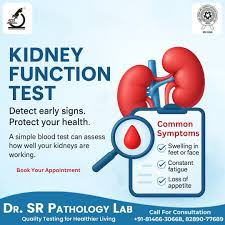
At HRTD Medical Institute, one of the leading medical and pathology training institutions in Dhaka, Bangladesh, early-stage kidney function testing is taught as a core component of pathology, biochemistry, and medical laboratory technology education. The institute emphasizes early diagnosis, accurate laboratory testing, and clinical correlation to prepare skilled healthcare professionals.
Overview of Kidney Function
Structure and Role of the Kidneys
The kidneys are paired organs located retroperitoneally, each containing approximately one million nephrons, which are the functional units responsible for filtering blood.
Primary functions of the kidneys include:
- Removal of metabolic waste products
- Regulation of fluid and electrolyte balance
- Maintenance of acid-base balance
- Regulation of blood pressure
- Production of hormones such as erythropoietin and renin
Any impairment in these functions may indicate early kidney disease.

What Is Early-Stage Kidney Disease?
Definition
Early-stage kidney disease refers to mild or initial impairment of kidney function, often corresponding to:
- Chronic Kidney Disease (CKD) Stage 1 or Stage 2
- Glomerular Filtration Rate (GFR) ≥60 mL/min/1.73 m² with evidence of kidney damage
At this stage, patients are often asymptomatic, making laboratory testing essential for detection.
Importance of Kidney Function Test in Early Stage
Why Early Testing Is Critical
- Kidney damage is often irreversible
- Early intervention can slow or stop disease progression
- Prevents complications such as hypertension, anemia, and cardiovascular disease
- Reduces the risk of dialysis and kidney transplantation
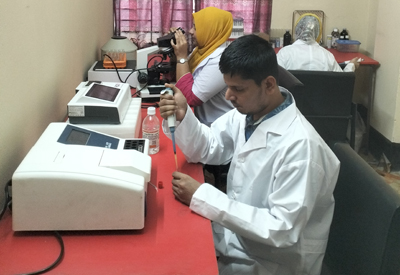
At HRTD Medical Institute, students are trained to understand that early detection saves lives and resources.
Common Risk Factors Requiring Early Kidney Testing
Individuals at higher risk include:
- Diabetes mellitus patients
- Hypertensive patients
- Family history of kidney disease
- Elderly individuals
- Long-term use of nephrotoxic drugs
- Obesity and metabolic syndrome
- Recurrent urinary tract infections
Early kidney function testing is strongly recommended for these populations.
Kidney Function Tests Used in Early Detection
1. Serum Creatinine
Serum creatinine is one of the most commonly used markers of kidney function.
Key points:
- Creatinine is a waste product of muscle metabolism
- Freely filtered by the kidneys
- Elevated levels suggest reduced kidney filtration
However, serum creatinine alone may remain normal in early kidney disease, which is why additional tests are essential.
2. Estimated Glomerular Filtration Rate (eGFR)
eGFR is the most reliable indicator of kidney function in early stages.
Advantages:
- Detects mild reduction in kidney function
- Adjusted for age and sex
- Automatically reported by most laboratories
At HRTD Medical Institute, eGFR interpretation is emphasized as a cornerstone of early kidney disease diagnosis.
3. Creatinine Clearance Rate (CCR)
Creatinine Clearance Rate estimates how effectively the kidneys clear creatinine from the blood.
Uses in early-stage disease:
- More sensitive than serum creatinine alone
- Helpful in borderline renal impairment
- Useful for drug dose adjustment
Students at HRTD Medical Institute learn both measured and estimated CCR methods.
4. Blood Urea and Blood Urea Nitrogen (BUN)
Urea is a waste product of protein metabolism.
Early-stage relevance:
- Mild elevation may suggest early renal dysfunction
- Interpretation must consider hydration and protein intake
Urea alone is not specific but valuable when combined with other kidney function tests.
5. Urine Routine Examination (R/E)
Urinalysis is one of the simplest and most informative tests for early kidney damage.
Important findings include:
- Proteinuria
- Microalbuminuria
- Hematuria
- Casts and crystals
At HRTD Medical Institute, students are trained to perform and interpret microscopic urine analysis accurately.
6. Urine Albumin-to-Creatinine Ratio (ACR)
Microalbuminuria is often the earliest sign of kidney damage, especially in diabetic patients.
Significance:
- Detects kidney damage before GFR decline
- Essential for early diabetic nephropathy diagnosis
- Predictor of cardiovascular risk
7. Serum Electrolytes
Early kidney dysfunction may cause subtle changes in:
- Sodium
- Potassium
- Chloride
- Bicarbonate
Electrolyte imbalance may appear even before advanced renal failure.
Interpretation of Early-Stage Kidney Function Tests
Normal vs Abnormal Findings
| Test | Normal Range | Early Abnormality |
|---|---|---|
| Serum Creatinine | 0.6–1.2 mg/dL | Slight elevation |
| eGFR | ≥90 | 60–89 |
| Urine Albumin | <30 mg/day | 30–300 mg/day |
| CCR | 90–120 mL/min | Mild reduction |
Understanding subtle deviations is a key learning objective at HRTD Medical Institute.
Role of Kidney Function Tests in Disease Prevention
Early-stage testing allows:
- Lifestyle modification
- Blood pressure control
- Glycemic control
- Avoidance of nephrotoxic drugs
These preventive strategies are taught alongside laboratory diagnostics at HRTD Medical Institute.
Kidney Function Test in Early Stage of Diabetes
Diabetes is the leading cause of CKD worldwide.
Early tests include:
- eGFR
- Urine ACR
- Serum creatinine
Annual screening is recommended for diabetic patients, a guideline emphasized in the institute’s curriculum.
Kidney Function Test in Early Stage of Hypertension
Hypertension both causes and worsens kidney disease.
Early testing helps:
- Detect hypertensive nephropathy
- Monitor treatment effectiveness
- Prevent progression to CKD
Pediatric and Geriatric Considerations
Children
- Congenital anomalies
- Recurrent infections
- Growth-related creatinine variations
Elderly
- Age-related GFR decline
- Lower muscle mass affecting creatinine
Special interpretation skills are taught at HRTD Medical Institute.
Role of Laboratory Professionals in Early Diagnosis
Responsibilities Include:
- Proper sample collection
- Accurate analysis
- Quality control
- Timely reporting
HRTD Medical Institute focuses on hands-on laboratory training to ensure precision in early-stage testing.
Teaching Kidney Function Tests at HRTD Medical Institute
Academic Strengths
- Experienced faculty
- Updated diagnostic curriculum
- Modern laboratory facilities
- Clinical case-based learning
Courses Covering Early Kidney Testing
- Diploma in Pathology
- Medical Laboratory Technology
- Short-term pathology training
- Renal function test modules
Career Opportunities After Learning Kidney Function Testing
Graduates of HRTD Medical Institute can work as:
- Medical Laboratory Technologists
- Diagnostic Center Professionals
- Hospital Lab Technicians
- Research Assistants
Early kidney disease testing skills significantly enhance employability.
Future Trends in Early Kidney Diagnosis
- Cystatin C-based testing
- AI-assisted renal risk prediction
- Home-based urine testing
- Personalized renal care
HRTD Medical Institute continuously updates its curriculum to reflect global advancements.
Advantages of Studying at HRTD Medical Institute
- Recognized medical training institute in Dhaka
- Affordable and skill-based education
- Strong academic and practical balance
- Focus on early disease detection
- Excellent student support
Conclusion
Kidney Function Tests in the Early Stage are essential for preventing the progression of kidney disease and reducing long-term health complications. Since early kidney disease is often asymptomatic, laboratory investigations such as eGFR, serum creatinine, urine albumin, CCR, and urinalysis play a decisive role in early diagnosis and management.
At HRTD Medical Institute, we are committed to delivering high-quality education and practical training in early-stage kidney function testing. Our students gain the knowledge and skills required to contribute effectively to modern diagnostic healthcare systems and improve patient outcomes.
Glomerular Filtration Rate (GFR): A Complete Clinical and Educational Guide
Introduction to GFR
The Glomerular Filtration Rate (GFR) is one of the most important indicators of kidney function in modern clinical medicine. It represents the rate at which blood is filtered by the glomeruli of the kidneys per minute. Accurate assessment of GFR is essential for the diagnosis, staging, and monitoring of kidney diseases, as well as for adjusting drug dosages and evaluating overall renal health.
At HRTD Medical Institute, one of the leading medical and pathology training institutions in Dhaka, Bangladesh, GFR is taught as a core concept in pathology, medical laboratory technology, and diagnostic sciences. Our curriculum emphasizes both theoretical understanding and practical clinical relevance, ensuring students and healthcare professionals gain in-depth expertise.
Anatomy and Physiology of the Kidney
Structure of the Kidney
Each human kidney contains approximately one million nephrons, which are the functional units responsible for filtration. Each nephron consists of:
- Glomerulus
- Bowman’s capsule
- Proximal convoluted tubule
- Loop of Henle
- Distal convoluted tubule
- Collecting duct
The glomerulus, a network of capillaries, plays the primary role in filtration and is directly involved in determining GFR.
Renal Blood Flow and Filtration
About 20–25% of cardiac output is directed to the kidneys. The glomerular capillaries allow filtration of plasma while retaining blood cells and large proteins. The resulting filtrate forms the initial urine.
At HRTD Medical Institute, students learn how changes in renal blood flow, capillary pressure, and membrane permeability affect GFR.
What Is Glomerular Filtration Rate (GFR)?
GFR is defined as the volume of plasma filtered across the glomeruli per unit time, typically expressed in mL/min/1.73 m² of body surface area.
- Normal GFR in healthy adults: 90–120 mL/min/1.73 m²
- GFR declines naturally with age
- Persistent reduction indicates kidney disease
GFR is considered the gold standard measurement of kidney function.
Importance of GFR in Clinical Practice
Diagnostic Value
GFR helps clinicians:
- Detect early kidney disease
- Classify stages of chronic kidney disease (CKD)
- Assess severity of renal impairment
Monitoring Disease Progression
In conditions such as:
- Diabetes mellitus
- Hypertension
- Glomerulonephritis
Regular GFR monitoring is crucial to prevent progression to end-stage renal disease (ESRD).
Drug Dose Adjustment
Many drugs are excreted via the kidneys. Reduced GFR requires dose modification to prevent toxicity.
At HRTD Medical Institute, students are trained to interpret GFR results for safe clinical decision-making.
Methods of Measuring GFR
1. Measured GFR (Gold Standard)
These methods use exogenous filtration markers:
- Inulin clearance (most accurate)
- Iohexol clearance
- Radioisotopic methods (e.g., 51Cr-EDTA)
Although accurate, these methods are expensive and complex.
2. Estimated GFR (eGFR)
Most commonly used in routine practice.
eGFR is calculated using:
- Serum creatinine
- Age
- Sex
- Body size
At HRTD Medical Institute, special emphasis is given to understanding both measured and estimated GFR methods.
Serum Creatinine and GFR
What Is Creatinine?
Creatinine is a breakdown product of creatine phosphate in muscles. It is:
- Produced at a relatively constant rate
- Freely filtered by glomeruli
- Minimally reabsorbed
Relationship Between Creatinine and GFR
- Increased serum creatinine → Decreased GFR
- Normal creatinine does not always mean normal GFR (especially in elderly or malnourished patients)
This concept is thoroughly taught in pathology and biochemistry courses at HRTD Medical Institute.
GFR Estimation Equations
1. Cockcroft–Gault Formula
Used mainly for drug dosing.
Formula:
GFR = [(140 − age) × weight (kg)] / (72 × serum creatinine)
× 0.85 (for females)
2. MDRD Equation
More accurate in chronic kidney disease.
3. CKD-EPI Equation
Currently preferred due to:
- Better accuracy
- Less bias
- Wide clinical acceptance
At HRTD Medical Institute, students are trained to calculate and interpret all major GFR equations.
Normal and Abnormal GFR Values
| GFR (mL/min/1.73 m²) | Interpretation |
|---|---|
| ≥90 | Normal or high |
| 60–89 | Mildly decreased |
| 45–59 | Mild-moderate decrease |
| 30–44 | Moderate-severe decrease |
| 15–29 | Severe decrease |
| <15 | Kidney failure |
GFR and Chronic Kidney Disease (CKD)
Definition of CKD
CKD is defined as:
- GFR <60 mL/min/1.73 m² for ≥3 months
OR - Evidence of kidney damage
CKD Staging Based on GFR
- Stage 1: GFR ≥90
- Stage 2: GFR 60–89
- Stage 3a: GFR 45–59
- Stage 3b: GFR 30–44
- Stage 4: GFR 15–29
- Stage 5: GFR <15
Understanding CKD staging is a core learning objective at HRTD Medical Institute.
Factors Affecting GFR
Physiological Factors
- Age
- Body size
- Pregnancy
Pathological Factors
- Diabetes
- Hypertension
- Acute kidney injury
- Glomerular diseases
Laboratory Interference
- Muscle mass
- Diet
- Medications
Our training programs at HRTD Medical Institute teach students how to recognize these influencing factors during result interpretation.
GFR in Acute Kidney Injury (AKI)
In AKI:
- GFR drops rapidly
- Serum creatinine rises after 24–48 hours
- Early GFR estimation is critical
GFR monitoring helps differentiate:
- Pre-renal
- Renal
- Post-renal causes
GFR and Dialysis Decision
When GFR falls below 15 mL/min/1.73 m², patients may require:
- Hemodialysis
- Peritoneal dialysis
- Kidney transplantation
Clinical decision-making based on GFR is taught with real-world case studies at HRTD Medical Institute.
Role of GFR in Pathology and Laboratory Medicine
Laboratory Responsibilities
- Accurate creatinine measurement
- Standardized reporting of eGFR
- Quality control
Pathologist’s Role
- Correlating GFR with clinical findings
- Guiding clinicians in diagnosis
At HRTD Medical Institute, pathology students receive hands-on laboratory training in renal function testing.
Teaching GFR at HRTD Medical Institute
Why Learn GFR at HRTD?
- Experienced faculty
- Updated curriculum
- Practical laboratory exposure
- Clinical correlation
- Focus on international standards
Courses Covering GFR
- Diploma in Pathology
- Medical Laboratory Technology
- Short pathology training courses
- Renal function test modules
Career Opportunities After Learning GFR
Students trained at HRTD Medical Institute can work as:
- Medical Laboratory Technologists
- Pathology Lab Assistants
- Diagnostic Center Technicians
- Hospital Laboratory Professionals
Understanding GFR enhances professional competence and employability.
Advantages of Studying at HRTD Medical Institute
- Located in Mirpur, Dhaka
- Modern lab facilities
- Affordable course fees
- Strong academic reputation
- Practical skill-based education
Future of GFR Testing
- Cystatin C-based GFR estimation
- AI-based kidney disease prediction
- Personalized medicine
HRTD Medical Institute continuously updates its curriculum to match global advancements.
Conclusion
The Glomerular Filtration Rate (GFR) is a cornerstone of renal medicine and diagnostic pathology. Accurate understanding and interpretation of GFR are essential for diagnosing kidney diseases, monitoring treatment, and improving patient outcomes.
At HRTD Medical Institute, we are committed to delivering high-quality medical education that equips students with strong theoretical knowledge and practical laboratory skills. Our comprehensive teaching of GFR ensures that graduates are confident, competent, and ready to serve in modern healthcare systems.
Introduction to Creatinine Clearance Rate (CCR)
The Creatinine Clearance Rate (CCR) is a vital laboratory parameter used to assess renal function, particularly the efficiency with which the kidneys remove creatinine from the blood. Creatinine clearance provides an estimate of the glomerular filtration rate (GFR) and plays a crucial role in diagnosing, monitoring, and managing kidney diseases.
At HRTD Medical Institute, one of the most respected medical and pathology training institutions in Dhaka, Bangladesh, CCR is taught as a fundamental concept in pathology, biochemistry, and medical laboratory technology. Students are trained to understand both the theoretical principles and practical applications of creatinine clearance testing.
Physiology of Creatinine
What Is Creatinine?
Creatinine is a metabolic waste product formed from the breakdown of creatine phosphate in skeletal muscle. It is produced at a relatively constant rate, proportional to muscle mass, and is eliminated almost exclusively by the kidneys.
Key characteristics:
- Freely filtered by the glomeruli
- Not significantly reabsorbed
- Slightly secreted by renal tubules
These properties make creatinine an ideal marker for evaluating kidney filtration function.
Understanding Creatinine Clearance Rate (CCR)
Creatinine Clearance Rate (CCR) refers to the volume of plasma that is completely cleared of creatinine by the kidneys per unit time, usually expressed in mL/min.
CCR is calculated using:
- Urine creatinine concentration
- Plasma (serum) creatinine concentration
- Urine volume
- Collection time
CCR closely approximates GFR and has been widely used in clinical practice for decades.
Importance of CCR in Renal Function Assessment
Diagnostic Significance
CCR helps in:
- Detecting early kidney impairment
- Assessing severity of renal dysfunction
- Differentiating acute and chronic kidney disease
Monitoring Disease Progression
In patients with:
- Chronic kidney disease (CKD)
- Diabetes mellitus
- Hypertension
Serial CCR measurements provide insight into disease progression.
Drug Dose Adjustment
Many drugs are excreted through the kidneys. CCR is frequently used to:
- Adjust medication dosages
- Prevent drug toxicity
- Guide chemotherapy and antibiotic therapy
At HRTD Medical Institute, students are trained to apply CCR values in clinical decision-making.
Methods of Measuring Creatinine Clearance
1. 24-Hour Urine Creatinine Clearance Test
This is the traditional and most direct method.
Procedure:
- Collect all urine for 24 hours
- Measure total urine volume
- Measure urine creatinine concentration
- Measure serum creatinine
Formula:
CCR = (Urine creatinine × Urine volume) / (Serum creatinine × Time)
2. Estimated Creatinine Clearance (eCCR)
When urine collection is impractical, CCR is estimated using mathematical formulas.
Cockcroft–Gault Formula
Most commonly used:
CCR = [(140 − age) × weight (kg)] / (72 × serum creatinine)
× 0.85 (for females)
At HRTD Medical Institute, students learn both manual calculation and automated laboratory reporting methods.
Normal Creatinine Clearance Values
| Population | Normal CCR (mL/min) |
|---|---|
| Adult males | 90–130 |
| Adult females | 80–120 |
| Elderly | Reduced with age |
| Children | Age-dependent |
A persistent reduction in CCR indicates renal dysfunction.
CCR vs GFR
| Parameter | CCR | GFR |
|---|---|---|
| Marker | Creatinine | Plasma filtration |
| Measurement | Direct or estimated | Measured or estimated |
| Accuracy | Slight overestimation | Gold standard |
| Clinical use | Drug dosing | CKD staging |
Understanding the difference between CCR and GFR is emphasized in pathology courses at HRTD Medical Institute.
CCR in Chronic Kidney Disease (CKD)
Role in CKD Diagnosis
- CCR <60 mL/min indicates CKD
- Persistent low CCR for >3 months confirms chronic disease
CKD Staging (Approximate by CCR)
- Stage 1: >90 mL/min
- Stage 2: 60–89 mL/min
- Stage 3: 30–59 mL/min
- Stage 4: 15–29 mL/min
- Stage 5: <15 mL/min
Students at HRTD Medical Institute are trained to correlate CCR values with clinical staging.
CCR in Acute Kidney Injury (AKI)
In AKI:
- CCR decreases rapidly
- Serum creatinine rises later
- Early CCR estimation helps guide emergency management
Factors Affecting Creatinine Clearance
Physiological Factors
- Age
- Sex
- Muscle mass
- Pregnancy
Pathological Factors
- Renal diseases
- Dehydration
- Heart failure
Laboratory Errors
- Incomplete urine collection
- Incorrect timing
- Analytical inaccuracies
At HRTD Medical Institute, laboratory training focuses on minimizing pre-analytical and analytical errors.
Limitations of CCR
- Overestimates true GFR due to tubular secretion
- Inaccurate in extreme muscle mass
- Affected by diet and medications
Despite these limitations, CCR remains a widely used renal function test.
Clinical Applications of CCR
- Evaluation of kidney donors
- Monitoring nephrotoxic drugs
- Pre-operative renal assessment
- ICU patient management
Role of CCR in Pathology and Laboratory Medicine
Laboratory Responsibilities
- Proper urine collection instruction
- Accurate creatinine measurement
- Quality assurance
Pathologist’s Role
- Interpretation of CCR results
- Correlation with clinical findings
Students at HRTD Medical Institute gain hands-on experience in creatinine clearance testing.
Teaching CCR at HRTD Medical Institute
Academic Excellence
- Experienced instructors
- Updated syllabus
- Practical laboratory sessions
- Clinical correlation
Courses Including CCR
- Diploma in Pathology
- Medical Laboratory Technology
- Short-term pathology training
- Renal function test modules
Career Opportunities After Learning CCR
Graduates of HRTD Medical Institute can work as:
- Laboratory Technologists
- Diagnostic Center Professionals
- Hospital Lab Assistants
- Research Technicians
Knowledge of CCR enhances professional competence in renal diagnostics.
Advantages of HRTD Medical Institute
- Reputed medical institute in Dhaka
- Modern laboratory facilities
- Affordable course structure
- Practical skill-based education
- Strong job placement support
Future Trends in Renal Function Testing
- Automated eCCR reporting
- Combined use of CCR and eGFR
- Cystatin-C based clearance methods
HRTD Medical Institute continues to align its curriculum with global diagnostic advancements.
Conclusion
The Creatinine Clearance Rate (CCR) is a cornerstone investigation in renal function assessment. It provides critical information for diagnosing kidney diseases, monitoring disease progression, and ensuring safe drug therapy.
At HRTD Medical Institute, students are trained to master CCR through theoretical knowledge, laboratory practice, and clinical interpretation. Our commitment to quality education ensures that graduates are prepared to meet the challenges of modern healthcare diagnostics.