 Pathology Training Institute in Bangladesh Best Pathology Training Institute in Bangladesh


Rabies Vaccination Center 01797522136
Introduction of Rabies Vaccination Center
Rabies remains one of the most feared infectious diseases in medical history. Despite being preventable, it still claims thousands of lives every year, particularly in developing countries of Asia and Africa. What makes rabies exceptionally dangerous is its near-100% fatality rate once symptoms appear. However, modern medical science has given us one powerful weapon: Rabies Vaccination. Through timely vaccination—before or after exposure—rabies can be completely prevented.
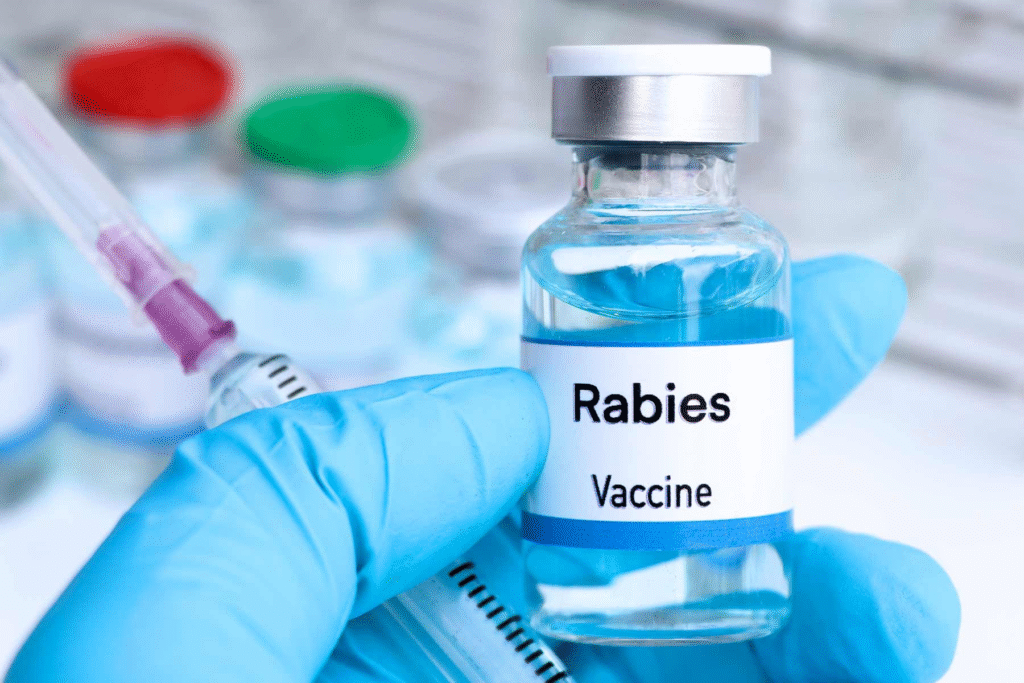
The HRTD Medical Institute, located in Mirpur-10, Dhaka, has established itself as a trusted center for rabies vaccination center, awareness, and training. As a dedicated healthcare training and diagnostic institution, HRTD Medical Institute is deeply committed to providing safe, accurate, and prompt rabies vaccination services for the general population.
This extensive content aims to explain rabies, its transmission, symptoms, diagnosis, prevention, and the crucial role played by rabies vaccination centers. It also highlights how HRTD Medical Institute is making a significant contribution to public health through its advanced vaccination services.
Chapter 1: Understanding Rabies
1.1 What is Rabies?
Rabies is a deadly viral disease caused by the Rabies lyssavirus, belonging to the family Rhabdoviridae. It affects the central nervous system—specifically the brain and spinal cord—leading to progressive neurological dysfunction and ultimately death. Without timely vaccination, the clinical progression of rabies is almost impossible to halt.
1.2 Transmission of Rabies
Rabies is primarily transmitted through the saliva of infected animals, most commonly:
- Dogs (major source in Bangladesh)
- Cats
- Bats
- Foxes
- Raccoons
- Monkeys
Modes of transmission include:
- Bite wounds
- Scratches from infected animals
- Saliva contact with open wounds or mucous membranes
- Rarely, inhalation of aerosolized virus (in laboratories or bat caves)
Globally, more than 95% of human rabies cases originate from dog bites, especially in regions where vaccination coverage is low.
1.3 Incubation Period
The incubation period of rabies can vary widely, depending on factors like:
- Bite location
- Viral load
- Distance from the brain
- Immune status of the patient
On average, the incubation period ranges from 20 days to 3 months, but it can be as short as 5 days or as long as a year.
1.4 Pathophysiology
Once the rabies virus enters the body, it travels through peripheral nerves toward the spinal cord and brain. This slow progression is what creates the life-saving window for post-exposure vaccination. Once the virus reaches the brain and replicates, severe neurological symptoms appear. At this stage, medical intervention is rarely effective.
Chapter 2: Clinical Features of Rabies
2.1 Early Symptoms
Initial signs of rabies are often non-specific and include:
- Fever
- Fatigue
- Pain or tingling at bite site
- Headache
- Nausea
- Anxiety
These symptoms can easily be mistaken for common viral illnesses, making clinical suspicion extremely important in cases involving animal bites.
2.2 Progressive Neurological Symptoms
As the virus spreads to the central nervous system, more alarming symptoms arise:
2.2.1 Furious Rabies (Hyperactive form)
Most common (80% cases). Symptoms include:
- Hydrophobia (fear of water)
- Aerophobia (fear of air drafts)
- Excessive salivation
- Agitation and confusion
- Hallucinations
- Aggressive behavior
- Spasms of throat muscles
2.2.2 Paralytic Rabies (Dumb form)
Less common but equally fatal:
- Gradual paralysis
- Reduced responsiveness
- Limb weakness
- Loss of sensation
- Coma
2.3 Final Stage and Fatality
Without post-exposure vaccination, rabies progresses to respiratory failure, cardiac arrest, and eventual death. The survival rate once symptoms begin is nearly zero.
Chapter 3: Diagnosis of Rabies
3.1 Importance of Clinical Assessment
Diagnosis of rabies in living patients can be challenging. Often, diagnosis relies heavily on:
- Bite history
- Exposure to animals
- Early symptoms
- Neurological signs
Laboratory confirmation is possible but difficult and often not available in emergency settings.
3.2 Laboratory Tests
The following tests may be used for suspected human rabies:
- PCR (Polymerase Chain Reaction)
- Direct Fluorescent Antibody Test (post-mortem)
- Viral antigen detection in saliva
- Skin biopsy (nuchal skin)
- CSF antibody detection
However, due to time constraints, treatment begins immediately after exposure without waiting for lab results.
Chapter 4: Types of Rabies Vaccines
Rabies vaccines are highly effective, safe, and recommended by WHO. The two main categories are:
4.1 Pre-Exposure Rabies Vaccine (PrEP)
Given to individuals at high risk, such as:
- Veterinary workers
- Laboratory professionals
- Animal handlers
- Travelers to high-risk regions
- Healthcare professionals
It includes 3 doses: Day 0, Day 7, and Day 21 or 28.
4.2 Post-Exposure Rabies Vaccine (PEP)
Given after potential exposure to the virus. It is critical to begin PEP as early as possible—ideally within a few hours after the bite.
Two components are essential:
4.2.1 Wound Washing
Immediate cleansing with soap and water for 15 minutes reduces infection risk by up to 90%.
4.2.2 Rabies Immunoglobulin (RIG)
Given in Category III bites:
- Deep bites
- Multiple wounds
- Bites on face, head, or neck
4.2.3 Anti-Rabies Vaccine (ARV)
5-dose or 4-dose regimen depending on guidelines.
Chapter 5: Rabies Vaccination Center – Role & Importance
Rabies vaccination centers are essential public health facilities. Their primary purpose is to provide immediate access to:
- Rabies vaccine
- Rabies immunoglobulin
- Medical evaluation
- Wound management
- Public awareness
An ideal vaccination center ensures:
- 24/7 emergency service
- Qualified medical personnel
- Cold-chain management for vaccines
- Availability of RIG
- Accurate dosing and documentation
Chapter 6: Rabies Situation in Bangladesh
Bangladesh reports thousands of animal bites annually, with rabies deaths mostly concentrated among:
- Children
- Rural populations
- Individuals unaware of vaccination requirements
Government programs and NGOs have significantly reduced rabies deaths, but lack of awareness remains a challenge. Timely vaccination at certified centers can dramatically reduce mortality.
Chapter 7: Rabies Vaccination Facilities at HRTD Medical Institute
The HRTD Medical Institute, located at:
Section-6, Block-Kha, Road-1, Plot-11, Metro Rail Pillar-249,
Folpotti Mosque Lane, Mirpur-10, Dhaka-1216
Contact: 01797522136, 01987073965, 01784572173
is deeply committed to providing high-quality rabies vaccination services.
7.1 Why Choose HRTD Medical Institute for Rabies Vaccination?
- WHO-approved vaccines
- Experienced healthcare professionals
- Safe and sterile wound care
- Immediate post-exposure management
- Affordable service charges
- 7 days availability
- Proper documentation and follow-up reminders
- Separate area for vaccination and observation
7.2 Rabies Vaccination Protocol at HRTD
After a suspected exposure, patients follow these steps:
- Initial Triage:
Assessment of bite category and risk level. - Wound Care:
Proper washing, antiseptic application, and infection prevention. - Administration of RIG:
Provided to severe bite cases according to WHO protocol. - Anti-Rabies Vaccination:
Given according to recommended schedule and dose. - Monitoring:
Observation for any adverse reactions. - Documentation:
Patients receive official vaccination cards and reminders.
7.3 Trained Professionals
Our institute trains healthcare workers on:
- Rabies guidelines
- Vaccine management
- Animal bite classification
- First aid techniques
- Public education strategies
Chapter 8: Public Awareness and Community Education by HRTD
Rabies prevention requires both medical and social action. HRTD Medical Institute conducts regular:
- Community workshops
- Awareness campaigns
- Training programs
- School-based education
- Public health seminars
Our goal is to reduce misconceptions and empower people with lifesaving knowledge.
Chapter 9: FAQs About Rabies Vaccination (By HRTD Medical Institute)
Q1: Is rabies fatal?
Yes. Once symptoms appear, rabies is almost 100% fatal.
Q2: Can rabies be prevented?
Yes. Timely vaccination completely prevents rabies.
Q3: How soon should I get the vaccine after a bite?
Immediately—preferably within the first few hours.
Q4: Is the vaccine safe?
Absolutely. Rabies vaccines used at HRTD are safe, WHO-approved, and effective.
Q5: Do I need RIG for all bites?
No. Only severe Category III bites require RIG.
Q6: Should I come fasting?
No. There are no food restrictions.
Q7: Can children and pregnant women take the vaccine?
Yes. Rabies vaccines are safe for everyone.
Q8: Do I need to complete all doses?
Yes, completing the full schedule is essential for protection.
Chapter 10: Conclusion
Rabies is one of the deadliest yet most preventable diseases in the world. With proper awareness, timely vaccination, and access to skilled healthcare providers, rabies deaths can be completely eliminated from Bangladesh. A reliable and efficient rabies vaccination center plays a vital role in this mission.
The HRTD Medical Institute is committed to safeguarding communities through its high-quality rabies vaccination services, advanced training programs, and public health initiatives. Whether it is routine pre-exposure vaccination or emergency post-exposure management, HRTD ensures that every patient receives the safest and most effective medical care.
By choosing HRTD Medical Institute, individuals gain access to trusted professionals who are dedicated to protecting lives and promoting health awareness across the nation. Together, through education, timely action, and medical excellence, we can build a safer, rabies-free future.