 Pathology Training Institute in Bangladesh Best Pathology Training Institute in Bangladesh

All Types of Arthritis
Arthritis encompasses over 100 different conditions, with osteoarthritis, rheumatoid arthritis, gout, psoriatic arthritis, and juvenile arthritis being among the most common. These conditions vary in their causes, symptoms, and progression, but all involve joint pain and inflammation.
Common Types of Arthritis:
- Osteoarthritis (OA): A degenerative joint disease where the cartilage wears down, causing pain and stiffness. It’s the most prevalent form of arthritis, often associated with aging and wear and tear.
- Rheumatoid Arthritis (RA): An autoimmune disease where the body’s immune system mistakenly attacks the joints, causing inflammation and pain.
- Gout: A condition caused by the buildup of uric acid crystals in the joints, leading to sudden, severe pain, redness, and swelling.
- Psoriatic Arthritis (PsA): An inflammatory arthritis that affects some people with psoriasis, causing joint pain, stiffness, and swelling, often in the fingers and toes.
- Juvenile Arthritis: A term for arthritis conditions that affect children under 16, encompassing various types of inflammatory and autoimmune arthritis.
- Ankylosing Spondylitis (AS):A type of arthritis that primarily affects the spine and sacroiliac joints, causing stiffness and pain.
- Fibromyalgia: While not a traditional joint disease, fibromyalgia is a chronic condition characterized by widespread musculoskeletal pain, fatigue, and other symptoms.
- Reactive Arthritis:A form of arthritis that develops in response to an infection in another part of the body, often affecting the joints of the lower limbs and spine.
- Enteropathic Arthritis:A type of arthritis associated with inflammatory bowel diseases like ulcerative colitis and Crohn’s disease.
Other Forms of Arthritis:
- Lupus:An autoimmune disease that can affect many organs and tissues, including joints, causing arthritis-like symptoms.
- Scleroderma:A chronic connective tissue disease that can cause inflammation and thickening of the skin and internal organs, sometimes affecting joints.
- Sjogren’s Syndrome:An autoimmune disorder that primarily affects the moisture-producing glands, but can also cause arthritis.
- Polymyalgia Rheumatica:A condition causing muscle pain and stiffness, often affecting the shoulders, neck, and hips, and sometimes accompanied by arthritis.
Symptoms:
Common symptoms of arthritis include: joint pain, stiffness, swelling, redness, decreased range of motion, and fatigue. The specific symptoms and their severity can vary depending on the type of arthritis.
Treatment:
Treatment options for arthritis vary depending on the type and severity of the condition, and may include: pain relievers, anti-inflammatory medications, physical therapy, lifestyle modifications, and in some cases, surgery.
Osteoarthritis
Osteoarthritis (OA) is a degenerative joint disease characterized by the breakdown of cartilage, leading to pain, stiffness, and reduced movement. It’s the most common form of arthritis, affecting millions worldwide. While the exact cause is unknown, factors like age, genetics, obesity, and joint injury increase the risk. Treatment focuses on managing symptoms and improving joint function through lifestyle changes, medication, and sometimes surgery.
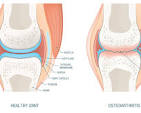
Definition: Osteoarthritis is a condition where the protective cartilage on the ends of bones wears down over time, causing the bones to rub against each other. This can lead to pain, stiffness, and swelling in the affected joints.
Causes:
- Age: The risk of OA increases with age as the cartilage naturally deteriorates over time.
- Genetics: A family history of OA can increase your susceptibility.
- Joint Injury: Previous injuries or trauma to a joint can damage the cartilage and increase the likelihood of developing OA later in life.
- Obesity: Excess weight places added stress on weight-bearing joints, increasing the risk of OA.
- Other Conditions: Certain conditions like rheumatoid arthritis, gout, and diabetes can also contribute to secondary osteoarthritis.
Clinical Features:
- Pain: Joint pain that worsens with activity and eases with rest is a hallmark symptom.
- Stiffness: Stiffness, particularly in the morning or after periods of inactivity, is common.
- Reduced Range of Motion: OA can limit the movement of affected joints.
- Swelling and Tenderness: The affected joints may be swollen, tender, and warm to the touch.
- Crepitus: A grating or clicking sound (crepitus) may be heard or felt when the joint moves.
Diagnosis:
- Medical History and Physical Exam: Doctors will assess your symptoms, medical history, and perform a physical examination to evaluate joint pain, stiffness, and range of motion.
- Imaging Tests: X-rays can reveal cartilage loss, bone spurs (osteophytes), and other changes associated with OA. MRI may be used in some cases to visualize soft tissues and cartilage more clearly.
- Laboratory Tests: While blood tests are not usually diagnostic for OA, they may be used to rule out other conditions like rheumatoid arthritis.
Treatment:
- Lifestyle Modifications:
- Weight Management: Losing weight if overweight or obese can significantly reduce stress on joints.
- Exercise: Regular, low-impact exercise, like walking, swimming, or cycling, can strengthen muscles, improve joint stability, and reduce pain.
- Assistive Devices: Using canes, braces, or shoe inserts can help reduce stress on affected joints.
- Medications:
- Pain Relievers: Over-the-counter pain relievers like acetaminophen or NSAIDs (ibuprofen, naproxen) can help manage pain and inflammation.
- Topical Pain Relievers: Creams or gels containing NSAIDs or capsaicin can be applied directly to the affected joints.
- Corticosteroid Injections: Injections of corticosteroids into the joint can provide temporary pain relief.
- Physical Therapy: Physical therapists can guide you through exercises and therapies to improve joint movement, strength, and flexibility.
- Surgery: In severe cases where other treatments are not effective, surgery may be an option, including joint replacement surgery.
Complications:
- Chronic Pain: OA can cause persistent and debilitating pain, affecting daily activities.
- Reduced Mobility: Pain and stiffness can limit your ability to move freely and participate in activities.
- Falls and Injuries: Joint instability and pain can increase the risk of falls and related injuries.
- Mental Health Issues: Chronic pain and disability can contribute to depression and anxiety.
Rheumatoid Arthritis
Rheumatoid Arthritis (RA) is a chronic autoimmune disease primarily affecting joints, causing pain, swelling, and stiffness. It occurs when the immune system mistakenly attacks the body’s own tissues, particularly the lining of the joints (synovium). While RA mainly affects joints, it can also impact other organs like the heart, lungs, and eyes.
Causes:
- Autoimmune Response: The exact cause is unknown, but RA is an autoimmune disease where the body’s immune system attacks its own tissues.
- Genetic Predisposition: A person’s genes can increase their risk of developing RA.
- Environmental Factors: Factors like smoking, infections (such as Staphylococcus aureus, Neisseria gonorrhea, etc.), obesity, and exposure to air pollution may play a role, according to Rheumatology Advisor.
- Hormonal Factors: Sex hormones may also contribute to RA development.
Clinical Features:
- Joint Symptoms: Pain, swelling, stiffness, and tenderness in multiple joints, often symmetrical (affecting the same joints on both sides of the body).
- Fatigue: General tiredness and lack of energy.
- Morning Stiffness: Stiffness that lasts for more than 30 minutes, particularly in the morning.
- Systemic Symptoms: Fever, weight loss, and loss of appetite may also occur.
- Extra-articular Manifestations: RA can affect other organs, causing issues like rheumatoid nodules, lung problems, cardiovascular disease, and eye inflammation.
Diagnosis:
- Clinical Evaluation: A doctor will assess symptoms, perform a physical examination, and check for swollen joints.
- Blood Tests: Tests for rheumatoid factor (RF) and anti-citrullinated protein antibodies (ACPAs) can help in diagnosis.
- Imaging Tests: X-rays, MRI, and ultrasound can help assess joint damage.
Investigations:
- Blood tests: Including RF, ACPA, ESR (erythrocyte sedimentation rate), CRP (C-reactive protein), and complete blood count (CBC).
- Imaging: X-rays, MRI, and ultrasound can reveal joint damage.
- Synovial fluid analysis: Examination of the fluid from the affected joints can help confirm inflammation.
Treatment:
- Medications:
- DMARDs (Disease-Modifying Anti-Rheumatic Drugs): These medications slow down the progression of RA and prevent joint damage (e.g., methotrexate, sulfasalazine, hydroxychloroquine).
- Biologics: These medications target specific parts of the immune system to reduce inflammation (e.g., TNF inhibitors, IL-6 inhibitors).
- Corticosteroids: Used for short-term relief of inflammation.
- NSAIDS: Pain relievers.
- Physical and Occupational Therapy: Exercises to improve joint mobility, strength, and function.
- Surgery: In severe cases, surgery like joint replacement may be necessary.
Complications:
- Joint Damage and Deformities: Chronic inflammation can lead to cartilage and bone erosion, causing joint damage and deformities.
- Cardiovascular Disease: Increased risk of heart attack and stroke due to inflammation.
- Lung Disease: Inflammation of the lungs, potentially leading to interstitial lung disease.
- Infections: Increased susceptibility to infections due to immune system involvement.
Gout
Gout is a type of arthritis characterized by sudden, severe joint pain and swelling, caused by a buildup of uric acid crystals in the joints. It is a common condition, particularly in men, and can affect any joint but is most often seen in the big toe. Diagnosis involves identifying these crystals in joint fluid, and treatment focuses on managing pain and reducing uric acid levels to prevent future attacks.
Definition: Gout is a form of inflammatory arthritis resulting from the buildup of uric acid crystals in the joints, causing pain, redness, swelling, and stiffness.
Causes:
- Hyperuricemia: Elevated levels of uric acid in the blood are a primary cause.
- Uric Acid Production: The body produces uric acid when it breaks down purines, which are found in many foods and are also a byproduct of cell breakdown.
- Uric Acid Excretion: Kidney problems can impair the body’s ability to remove uric acid, leading to a buildup.
- Diet: Consuming foods and drinks high in purines (e.g., red meat, organ meats, shellfish, beer, sugary drinks) can contribute to elevated uric acid levels.
- Genetics: A family history of gout can increase a person’s risk.
- Medications: Certain medications, like diuretics, can also raise uric acid levels.
Clinical Features:
- Sudden, intense joint pain: Typically in the big toe, but can affect any joint.
- Redness and swelling: Around the affected joint.
- Stiffness and tenderness: In the affected joint.
- Warmth: Around the affected joint.
- Gout attacks: Symptoms usually subside within a week or two, but can recur.
Diagnosis:
- Joint fluid analysis: Microscopic examination of fluid from the affected joint to identify urate crystals.
- Blood tests: To measure uric acid levels in the blood.
- Clinical evaluation: Based on symptoms and medical history.
Investigations:
- X-rays: May be used to assess joint damage.
- Ultrasound: Can be used to visualize urate crystals in the joints.
Treatment:
- Pain management: NSAIDs (nonsteroidal anti-inflammatory drugs), colchicine, or corticosteroids.
- Uric acid-lowering medications: Allopurinol, febuxostat, or probenecid can help reduce uric acid levels.
- Lifestyle modifications: Weight management, dietary changes, and limiting alcohol and sugary drinks.
Complications:
- Recurrent gout attacks: Can become more frequent and severe without treatment.
- Joint damage: Chronic gout can lead to long-term joint damage.
- Kidney stones: Uric acid crystals can form in the kidneys.
- Tophi: Hard, chalky deposits of uric acid crystals under the skin.
Prevention:
- Maintain a healthy weight: Obesity is a risk factor for gout.
- Limit alcohol and sugary drinks: Especially beer and sugary beverages.
- Limit purine-rich foods: Red meat, organ meats, and certain seafood.
- Stay hydrated: Drinking plenty of water can help flush out uric acid.
- Consider medications: For those with chronic gout, medications to lower uric acid levels may be beneficial.
Psoriatic Arthritis
Psoriatic arthritis (PsA) is a chronic inflammatory disease that affects both the joints and skin, primarily in individuals with psoriasis. It causes joint pain, stiffness, and swelling, often accompanied by skin lesions and nail changes. While there’s no cure, treatments can manage symptoms, prevent joint damage, and improve quality of life.
Definition: Psoriatic arthritis is a type of spondyloarthritis, an inflammatory arthritis that often affects the spine and other joints. It’s characterized by inflammation of the joints, tendons, and ligaments, and is strongly associated with psoriasis.
Causes: PsA is considered an autoimmune disease, where the body’s immune system mistakenly attacks its own tissues, causing inflammation. While the exact cause isn’t fully understood, it’s believed to involve a combination of genetic predisposition and environmental triggers such as infections, injuries, or stress.
Clinical Features:
- Joint Pain and Stiffness: This is the most common symptom, often affecting the fingers, toes, wrists, ankles, and spine.
- Skin and Nail Lesions: Psoriasis, the skin condition associated with PsA, can manifest as scaly, red patches, and nail changes like pitting, discoloration, and separation from the nail bed.
- Dactylitis: Swelling of an entire finger or toe, also known as “sausage digit,” is a characteristic feature.
- Enthesitis: Inflammation of the entheses, the areas where tendons and ligaments attach to bone, causing pain and tenderness, particularly in the heels and soles of the feet.
- Fatigue: Persistent tiredness and lack of energy are common.
- Other symptoms: Uveitis (eye inflammation) and back pain can also occur.
Diagnosis:
Diagnosis is primarily based on a combination of symptoms, physical examination, and imaging tests.
- Physical Examination:Doctors assess joint pain, swelling, skin and nail changes, and range of motion.
- Imaging Tests:X-rays, MRI, or ultrasound can help visualize joint damage and inflammation.
- Blood Tests:While not specific for PsA, blood tests can help rule out other conditions and assess inflammation.
Investigations:
Besides the physical examination and imaging, further investigations may include:
- Blood Tests: To check for inflammation markers (like ESR and CRP), rule out other conditions, and assess for rheumatoid factor (though PsA is usually seronegative).
- Skin Biopsy: To confirm the presence of psoriasis.
- Urine Tests: To assess for kidney problems, as some medications used to treat PsA can affect the kidneys.
Treatment:
There is no cure for PsA, but treatment focuses on managing symptoms, preventing joint damage, and improving quality of life.
- Medications:
- NSAIDs: Nonsteroidal anti-inflammatory drugs can help reduce pain and inflammation.
- DMARDs: Disease-modifying antirheumatic drugs, such as methotrexate, sulfasalazine, and leflunomide, can help slow the progression of the disease.
- Biologics: These medications target specific parts of the immune system to reduce inflammation.
- Corticosteroids: May be used for short-term relief of severe inflammation.
- Lifestyle Modifications:
- Exercise: Regular physical activity can help improve joint flexibility and strength.
- Weight Management: Obesity can exacerbate PsA symptoms, so maintaining a healthy weight is important.
- Diet: Some people find that certain foods trigger or worsen their symptoms, so dietary modifications may be helpful.
Juvenile Idiopathic Arthritis/ Juvenile Rheumatoid Arthritis
Juvenile idiopathic arthritis, formerly known as juvenile rheumatoid arthritis, is the most common type of arthritis in children under the age of 16.
Juvenile idiopathic arthritis can cause persistent joint pain, swelling and stiffness. Some children may experience symptoms for only a few months, while others have symptoms for many years.
Some types of juvenile idiopathic arthritis can cause serious complications, such as growth problems, joint damage and eye inflammation. Treatment focuses on controlling pain and inflammation, improving function, and preventing damage.
Symptoms
The most common signs and symptoms of juvenile idiopathic arthritis are:
- Pain. While your child might not complain of joint pain, you may notice that he or she limps — especially first thing in the morning or after a nap.
- Swelling. Joint swelling is common but is often first noticed in larger joints such as the knee.
- Stiffness. You might notice that your child appears clumsier than usual, particularly in the morning or after naps.
- Fever, swollen lymph nodes and rash. In some cases, high fever, swollen lymph nodes or a rash on the trunk may occur — which is usually worse in the evenings.
Juvenile idiopathic arthritis can affect one joint or many. There are several different subtypes of juvenile idiopathic arthritis, but the main ones are systemic, oligoarticular and polyarticular. Which type your child has depends on symptoms, the number of joints affected, and if a fever and rashes are prominent features.
Like other forms of arthritis, juvenile idiopathic arthritis is characterized by times when symptoms flare up and times when symptoms may be minimal.
When to see a doctor
When joint pain, swelling or stiffness for more than a week — especially if he or she also has a fever.
Causes
Juvenile idiopathic arthritis occurs when the body’s immune system attacks its own cells and tissues. It’s not known why this happens, but both heredity and environment seem to play a role.
Risk factors
Some forms of juvenile idiopathic arthritis are more common in girls.
Complications
Several serious complications can result from juvenile idiopathic arthritis. But keeping a careful watch on your child’s condition and seeking appropriate medical attention can greatly reduce the risk of these complications:
- Eye problems. Some forms can cause eye inflammation. If this condition is left untreated, it may result in cataracts, glaucoma and even blindness.Eye inflammation frequently occurs without symptoms, so it’s important for children with this condition to be examined regularly by an ophthalmologist.
- Growth problems. Juvenile idiopathic arthritis can interfere with your child’s growth and bone development. Some medications used for treatment, mainly corticosteroids, also can inhibit growth.
Ankylosing Spondylitis
Ankylosing spondylitis (AS) is a chronic inflammatory disease primarily affecting the spine and sacroiliac joints, leading to pain, stiffness, and potentially fusion of the vertebrae. While the exact cause is unknown, genetic predisposition (particularly the HLA-B27 gene) and environmental factors are believed to play a role. Diagnosis involves imaging (X-ray or MRI) to detect sacroiliitis or spinal inflammation, along with clinical symptoms. Treatment focuses on pain and inflammation management, maintaining flexibility, and preventing complications.
Definition:
- Ankylosing spondylitis is a type of spondyloarthritis, a group of inflammatory diseases primarily affecting the spine and sacroiliac joints.
- It is characterized by chronic inflammation, pain, and stiffness in the spine, potentially leading to fusion of the vertebrae (ankylosis).
- While the spine is the main target, AS can also affect other joints (like hips, shoulders, knees) and other parts of the body (eyes, heart, intestines).
Causes:
- The exact cause of AS is unknown, but it is thought to be a combination of genetic and environmental factors.
- HLA-B27 gene: A strong genetic association exists, with the HLA-B27 gene being present in a large percentage of individuals with AS.
- Environmental factors: Bacterial or viral infections are suspected to trigger the onset of AS in genetically susceptible individuals.
- Autoimmune component: AS is considered an autoimmune disease, where the body’s immune system mistakenly attacks its own tissues.
Clinical Features:
- Back pain and stiffness: Chronic lower back pain that is worse in the morning or at night and improves with exercise is a hallmark symptom.
- Stiffness: Spinal stiffness, particularly in the morning, is common.
- Other joint involvement: Pain and stiffness in the hips, shoulders, knees, and other peripheral joints.
- Constitutional symptoms: Fatigue, fever, weight loss, and loss of appetite may occur.
- Eye inflammation (uveitis): Inflammation of the iris or other parts of the eye can cause pain, redness, and blurred vision.
- Gastrointestinal issues: Some individuals may experience abdominal pain or loose bowel movements.
Diagnosis:
- Medical history and physical examination:Assessing symptoms, family history, and conducting a physical examination to assess range of motion and tenderness.
- Imaging studies:
- X-rays: Sacroiliitis (inflammation of the sacroiliac joints) is a key finding on X-rays.
- MRI: MRI can detect inflammation in the spine and sacroiliac joints, even before changes are visible on X-rays.
- Blood tests:
- HLA-B27: While not diagnostic on its own, testing for HLA-B27 can support the diagnosis.
- ESR and CRP: Elevated inflammatory markers (erythrocyte sedimentation rate and C-reactive protein) can indicate inflammation.
Investigations:
- Radiological investigations: X-rays and MRI of the spine and sacroiliac joints.
- Blood tests: HLA-B27, ESR, CRP, and other tests to assess inflammation and rule out other conditions.
- Physical examination: Assessing range of motion and tenderness in the spine and peripheral joints.
Treatment:
- NSAIDs (Nonsteroidal Anti-inflammatory Drugs): First-line treatment for pain and inflammation.
- Exercise and physiotherapy: Maintaining flexibility, improving posture, and managing pain.
- Disease-modifying antirheumatic drugs (DMARDs): Such as sulfasalazine or methotrexate, may be used to slow disease progression.
Fibromyalgia
Fibromyalgia is a chronic disorder characterized by widespread musculoskeletal pain, fatigue, and cognitive dysfunction. It’s also associated with sleep disturbances, anxiety, and depression. While the exact cause is unknown, it’s thought to involve a combination of genetic, environmental, and neurobiological factors. Diagnosis is primarily clinical, based on symptoms and physical examination, as there are no specific lab or imaging tests. Treatment focuses on symptom management through a combination of medication, exercise, and therapies.
Definition:
Fibromyalgia is a chronic condition causing widespread pain and tenderness in muscles, tendons, and joints, along with fatigue, sleep disturbances, and cognitive difficulties. It’s considered a disorder of pain processing, where the central nervous system amplifies pain signals.
Causes:
The exact cause of fibromyalgia is unknown, but it’s believed to be a complex interplay of factors:
- Genetic Predisposition:Some individuals may inherit genes that make them more susceptible to developing fibromyalgia.
- Central Sensitization:The central nervous system may become overly sensitive to pain signals, leading to amplified pain perception.
- Environmental Factors:Infections, physical trauma, and psychological stress can trigger or worsen symptoms.
- Neurobiological Factors:Imbalances in neurotransmitters and other brain chemicals may contribute to the disorder.
Clinical Features:
- Widespread Pain: Pain is experienced in multiple areas of the body, often described as a dull ache.
- Fatigue: Persistent tiredness and lack of energy are common.
- Cognitive Dysfunction: “Fibro fog” or difficulty with memory, concentration, and thinking clearly.
- Sleep Disturbances: Trouble falling asleep, staying asleep, or experiencing restful sleep.
- Other Symptoms: Anxiety, depression, headaches, irritable bowel syndrome, and sensitivity to light, sound, and smells.
Diagnosis:
- Clinical Evaluation:Physicians assess symptoms, medical history, and perform a physical examination, looking for widespread pain and other characteristic symptoms.
- Exclusion of Other Conditions:Tests like blood work and imaging are used to rule out other conditions with similar symptoms.
- No Specific Lab or Imaging Tests:There are currently no specific lab or imaging tests to diagnose fibromyalgia.
Investigations:
- Blood Tests:To rule out other conditions like thyroid problems, rheumatoid arthritis, or lupus.
- Imaging Studies:X-rays, MRI, or CT scans may be used to rule out other musculoskeletal problems.
Treatment:
- Medications:Pain relievers, antidepressants (SNRIs, TCAs), and anticonvulsants may be prescribed to manage symptoms.
- Exercise:Regular physical activity, such as walking, swimming, or yoga, can help improve pain, fatigue, and mood.
- Therapies:Cognitive behavioral therapy (CBT), physical therapy, and occupational therapy can help manage pain, improve sleep, and reduce stress.
- Lifestyle Modifications:Stress management techniques, healthy sleep habits, and a balanced diet can also help.
Complications:
- Reduced Quality of Life: Chronic pain, fatigue, and other symptoms can significantly impact daily life and activities.
- Increased Risk of Depression and Anxiety: The chronic nature of fibromyalgia can contribute to mental health issues.
- Social Isolation: Pain and fatigue can make it difficult to maintain social connections and participate in social activities.
Prevention:
- Early Diagnosis and Treatment:Seeking medical attention early can help manage symptoms and prevent complications.
- Stress Management:Practicing relaxation techniques, mindfulness, or engaging in hobbies can help reduce stress and its impact on symptoms.
- Healthy Lifestyle:Maintaining a healthy weight, getting regular exercise, and practicing good sleep hygiene can reduce the risk of developing fibromyalgia.